Google Pivot: ‘Googlebook’ Signals a Departure from ChromeOS in New AI Hardware Push
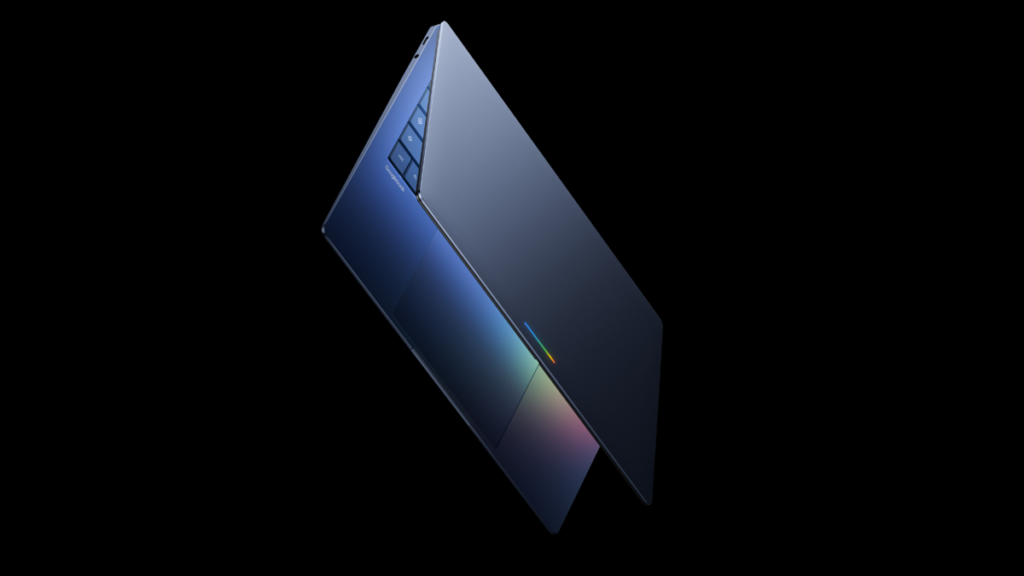
Table of Contents
Beyond the Browser: The Emergence of the Googlebook
Google is attempting to redefine the laptop category. During the Android Show: I/O Edition on Tuesday, the company unveiled the Googlebook, a new breed of hardware designed specifically to serve as a vessel for Gemini, Google’s generative AI ecosystem. While it shares some DNA with the Chromebook, the Googlebook represents a fundamental shift in how the company views the relationship between hardware and intelligence.
The move is a transparent response to the rise of the “AI PC,” a category currently being championed by Microsoft with its Copilot+ PCs. However, Google is not simply adding AI features to an existing shell. According to Alex Kuscher, Google Senior Director, the Googlebook is an attempt to move from a “cloud-first” mentality—which defined the original Chromebook launch 15 years ago—to an “intelligence-first” system.
The most striking detail of the announcement is the ambiguity surrounding the software. While Chromebooks are defined by ChromeOS, the Googlebook will run what Kuscher describes as a “modern OS designed for Intelligence.” This almost certainly confirms the long-rumored “Project Aluminum,” an internal initiative aimed at merging the flexibility of Android with the productivity of ChromeOS to create a unified, AI-native environment.
The ‘Magic Pointer’ and Generative Interface
The core of the Googlebook experience revolves around the Magic Pointer. Rather than treating the cursor as a simple selection tool, Google is positioning it as a contextual trigger for Gemini. By wiggling the cursor over specific onscreen elements, the AI can interpret the intent and offer immediate actions.
In the demonstrations provided by Google, this manifests as the ability to highlight a date in a text-heavy email to automatically trigger a Calendar invite, or to select two disparate images—such as a photo of a room and a product shot of a piece of furniture—and have the AI visualize them together in a shared space. It is an ambitious attempt to move away from the traditional “app-switching” workflow toward a more fluid, agentic experience where the OS understands the content of the screen in real-time.
Further leaning into this customization is a “Create your Widget” tool. Instead of choosing from a pre-defined list of system widgets, users can prompt Gemini to build a custom utility tailored to their specific workflow, effectively allowing the user to program their UI via natural language.
Hardware Ecosystem and Android Convergence
While Google is designing the vision, it is relying on its established network of OEMs to handle the manufacturing. The first wave of Googlebooks will be produced by Acer, Asus, Dell, HP, and Lenovo. Though full specifications remain under wraps, Google’s marketing materials emphasize a “Featherweight Design” paired with “Heavyweight Power,” suggesting a focus on premium ultraportables likely competing with the MacBook Air and Dell XPS lines.
Visually, these machines will be distinguished by a signature “glowbar” lightstrip on the lid, a design cue that serves as a brand signal for the AI-integrated line.
The integration with the Android ecosystem also appears more deeply baked than previous iterations of Phone Hub on ChromeOS. The Googlebook will allow users to cast Android apps directly from their mobile devices to the laptop screen without local installation. Additionally, a new “Quick Access” feature allows for seamless searching and manipulation of mobile files directly from the laptop’s file manager, effectively erasing the boundary between the phone and the PC.
The Market Gamble
The strategic risk for Google lies in pricing and positioning. Chromebooks succeeded by dominating the low-cost education market. The Googlebook, however, is clearly aimed at a premium tier. With high-end Chromebooks already pushing the $1,000 mark, the Googlebook is expected to sit comfortably in the professional and enthusiast bracket.
The success of the hardware will depend on whether users find the “Intelligence System” compelling enough to abandon the familiarity of Windows or macOS. If Project Aluminum delivers a stable, high-performance merger of Android apps and desktop productivity, Google may finally have a hardware story that matches the scale of its software ambition.


