Google Leans Into the Chaos With Disco Ball Pixel Icons
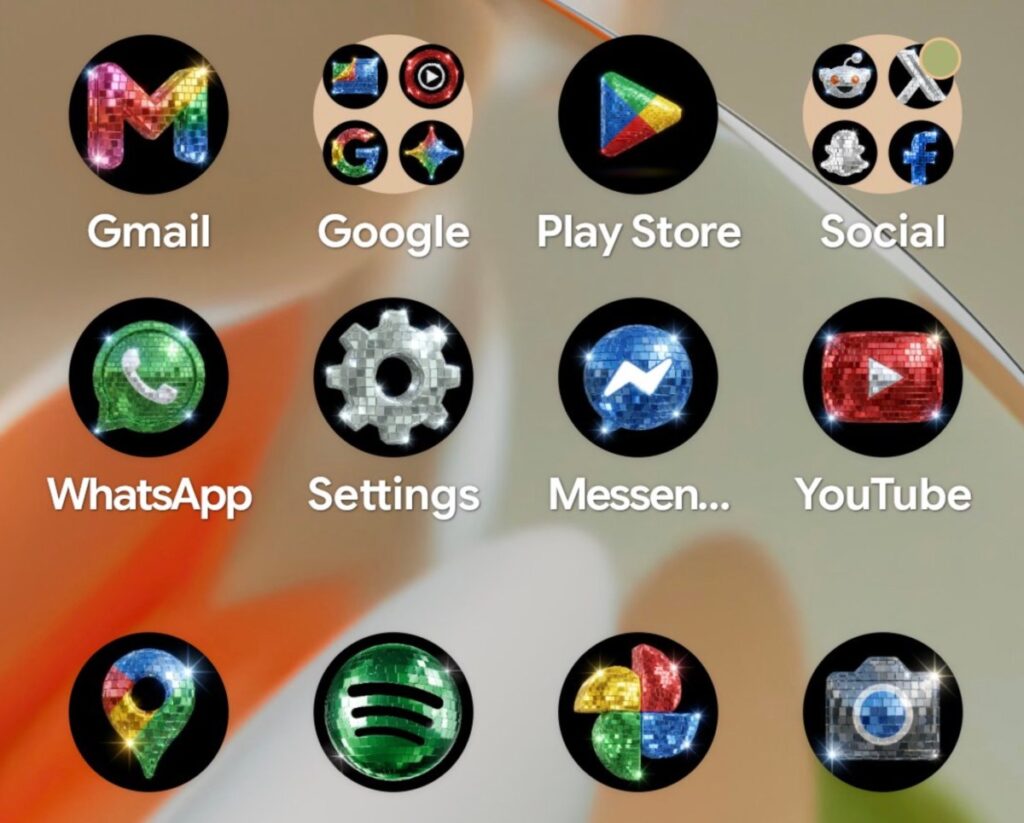
Table of Contents
A Sparkly Pivot in Android Customization
Google is proving that it can be just as impulsive as its user base. In a move that feels more like a social media experiment than a corporate product rollout, the company has introduced a set of disco-ball-themed app icons for Pixel devices, turning the Android home screen into a glittery, high-contrast fever dream.
The update follows a wave of internet discourse sparked by Spotify. To celebrate its 20th anniversary, the music streaming giant temporarily swapped its sleek, minimalist green logo for a shimmering disco ball. The result was an immediate divide online: some users praised the kitsch energy, while a vocal majority labeled it an eyesore. While Spotify eventually walked back the change, noting that “glitter is not for everyone,” Google decided to double down on the aesthetic.
The rollout was confirmed via X (formerly Twitter) by Sameer Samat, Android’s ecosystem head. “Your wish is our command. Disco icons available on Pixel as of today,” Samat posted, accompanying the announcement with a screenshot of a Pixel handset sporting the reflective, multifaceted icons. He added a touch of self-aware skepticism, asking his followers, “Are y’all sure you still want this?”
The Tech Behind the Glitter
While the disco theme is a joke in spirit, it relies on a legitimate piece of software infrastructure introduced earlier this year. The icons are delivered through Google’s custom icon feature, which debuted during the March Pixel Drop. This update shifted Android customization beyond the basic “Material You” color palette—which simply tints icons to match the user’s wallpaper—and introduced AI-generated stylistic templates.
Prior to the disco ball addition, Pixel users could choose from several distinct aesthetics, including “Scribbles,” which gives apps a hand-drawn look, and “Treasure,” which applies a metallic gold finish. There is also “Easel,” a style that mimics a colorful, painted texture. By adding the disco theme, Google is leveraging these generative styles to create a cohesive, if visually overwhelming, theme pack that transforms every single app on the home screen into a mirrored sphere.
The ‘Whimsy’ Economy
The timing of the release taps into a broader cultural shift toward what some are calling “digital whimsy.” As tech interfaces have trended toward sterile minimalism and flat design for the last decade, there is a growing counter-movement—particularly among Gen Z and Millennial users—toward maximalism and irony. The appeal isn’t necessarily that the icons look “good” in a traditional sense, but that they are intentionally loud and slightly absurd.
The reaction from the Android community has been predictably polarized. Race Johnson, a former Pixly co-founder, joked that the update makes a home screen feel like it has “bottle service,” while other users on X expressed a paradoxical desire for the theme, claiming it is “awful” but that they will use it regardless.
For Google, the move is a low-risk way to signal that the Pixel experience is playful and responsive to community memes. By transforming a potential design disaster into a feature, the company is positioning the Pixel as the more flexible, experimental alternative to the rigid ecosystem of iOS.


