Google Leans Into the Chaos With Disco-Ball Icons for Pixel
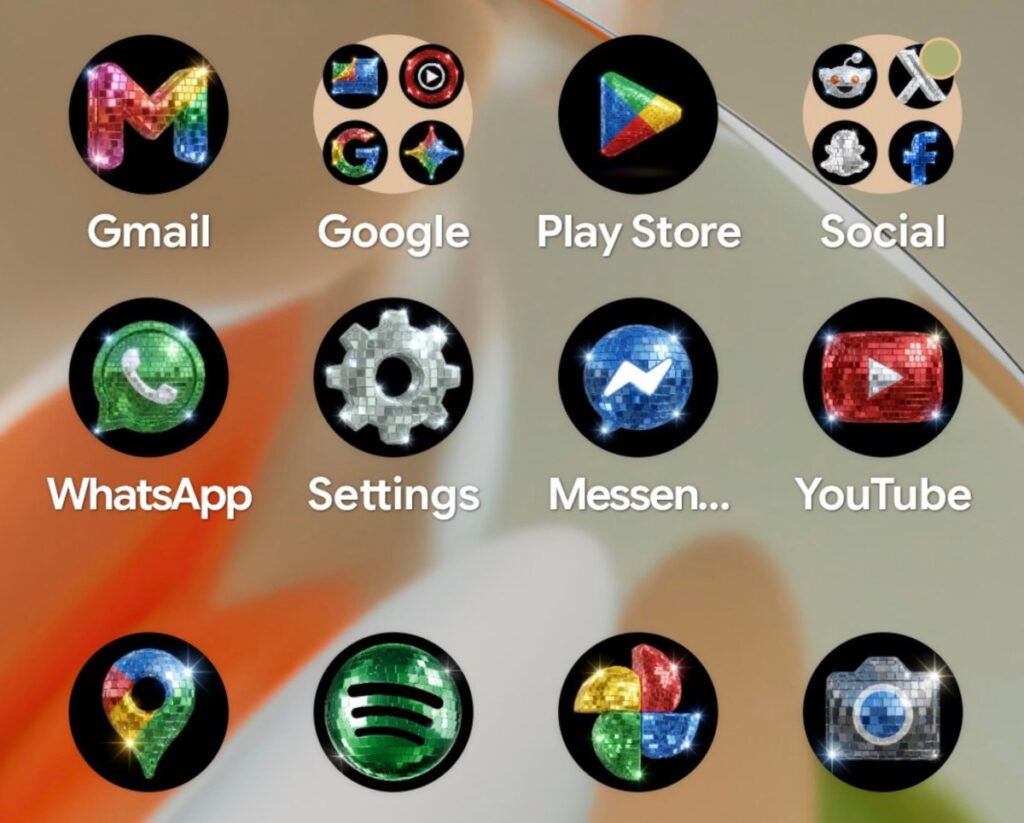
Table of Contents
A Sparkly Pivot for Pixel
Google is leaning into the aesthetic of the absurd. In a move that feels more like a social media dare than a product roadmap, the company has released a set of disco-ball-themed app icons for Pixel devices, transforming the usually clean Android home screen into a shimmering, glittery landscape.
The update is a direct response to a recent internet firestorm sparked by Spotify. To celebrate its 20th anniversary, the music streaming giant temporarily replaced its iconic green logo with a disco ball. The result was a polarizing mix of viral praise for its kitsch value and visceral hatred from users who found the design an eyesore. While Spotify eventually walked back the look, reminding users that “glitter is not for everyone,” Google decided to double down on the trend.
The roll-out was confirmed on X by Sameer Samat, Android’s head of ecosystem. “Your wish is our command. Disco icons available on Pixel as of today… Are y’all sure you still want this?” Samat posted, accompanying the announcement with a screenshot of a Pixel handset where every single app icon had been replaced by a multifaceted, reflective sphere.
The Tech Behind the Glitter
While the disco ball pack is a joke, the underlying technology is part of a broader push toward AI-driven personalization on Pixel hardware. These icons are powered by the custom icons feature introduced during a previous Pixel Drop—Google’s periodic cadence of feature updates designed to keep older handsets feeling fresh.
The feature allows users to move beyond simple color-matching (the traditional “Material You” palette that syncs icons to wallpaper colors) and instead apply thematic AI-generated styles. Before the disco ball craze, Google had offered a variety of templates, including “Scribbles” for a hand-drawn look, “Treasure” for a gold-leaf aesthetic, and “Easel” for a painted feel. The disco pack essentially applies a high-gloss, reflective texture to these templates, creating a visual cohesion that is as jarring as it is playful.
Whimsy as a Product Strategy
The move highlights a growing trend in digital culture toward “whimsy”—a playful, almost nostalgic rebellion against the sterile, minimalist design language that has dominated the tech industry for the last decade. From the return of skeuomorphism in some niche apps to the rise of chaotic desktop layouts, users are increasingly seeking visual stimulation over pure utility.
The reaction from the Android community has been predictably split. On X, former Pixly co-founder Race Johnson joked that the update feels like “when your home screen gets bottle service,” while other users described the look as “awful” but admitted they would still use it.
For Google, this is a low-risk, high-reward experiment in brand personality. By leaning into the “so bad it’s good” aesthetic, the company is signaling a willingness to be self-deprecating and responsive to internet memes, shifting the perception of the Pixel experience from a corporate utility to something more experimental. Whether the disco balls remain a permanent fixture or vanish as quickly as a party invitation remains to be seen, but for now, Pixel users can turn their phones into handheld dance floors.


