Google Hands Control Back to Users with New ‘Preferred Sources’ Tool for Search
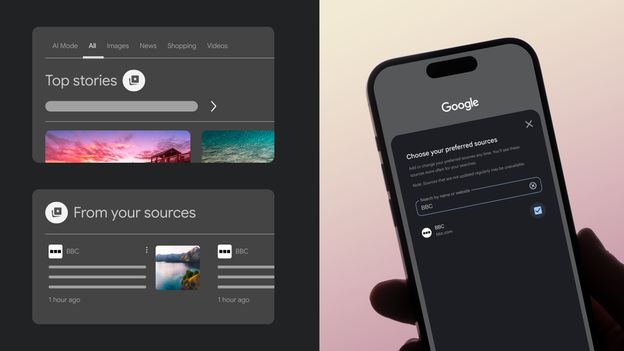
Table of Contents
A shift in the search power dynamic
For years, the tension between Google’s algorithmic curation and user intent has been a central theme of the open web. As Google integrates more generative AI into its search experience via AI Overviews, the visibility of individual publishers has become increasingly volatile. In response, Google is rolling out a “Preferred Sources” tool, a feature designed to let users manually override a portion of the algorithm by designating specific publications as priority content providers.
The tool allows users to create a personalized whitelist of publishers—ranging from global news organizations like the BBC to niche technical blogs—that Google will prioritize when surfacing news, videos, and updates. This is less about a total overhaul of the Search Engine Results Page (SERP) and more about a surgical adjustment to how “Top Stories” are populated.
Where the preference actually hits the SERP
Adding a site to your Preferred Sources doesn’t mean every search will start with that publication, but it significantly tilts the scales in the “Top Stories” carousel. The most prominent impact is found within the “from your sources” section, a nested area of the Top Stories results available on both mobile and desktop browsers.
When a user marks a site as preferred, Google’s ranking signals for that specific domain are boosted within the news module. This ensures that if a preferred source is covering a breaking story, it is far more likely to appear in the primary viewport, reducing the need for users to scroll past AI-generated summaries or algorithmically pushed trending topics to find a voice they actually trust.
Implementing the preference: Two paths to customization
Google has streamlined the adoption of Preferred Sources through two primary methods. The first is a direct settings-based approach where users can browse a list of available publications and toggle their preferences. For instance, users wanting a steady stream of vetted reporting can navigate to their account settings and explicitly check the box for BBC.com or other reputable outlets.
The second method is more reactive and occurs during the act of searching. When a user encounters the “Top Stories” module, a starred card icon now appears. Clicking this icon allows the user to instantly add the current source to their preferred list. Once the search page is reloaded, the preference is applied globally to the account, meaning future queries on unrelated topics will still prioritize that publisher if they provide relevant coverage.
The strategic pivot toward user-led curation
This move arrives at a critical moment for Google. The company has faced mounting criticism from publishers who argue that AI-generated snapshots steal clicks by answering queries directly on the search page. By allowing users to signal their preference for specific brands, Google is attempting to maintain a symbiotic relationship with the publishing ecosystem.
From a technical standpoint, this is a concession that algorithms cannot always capture “trust.” While Google’s E-E-A-T (Experience, Expertise, Authoritativeness, and Trustworthiness) guidelines aim to automate quality, user-defined preferences provide a hard signal of loyalty that no automated crawler can replicate. It transforms the search experience from a passive consumption of “what the AI thinks is best” to an active curation of “who I trust to tell me the truth.”
For the average user, this means the end of the ‘algorithmic lottery’ for news. Instead of hoping the algorithm surface the correct perspective on a complex geopolitical event or a technical software update, the user can now dictate the terms of their information diet.


