GM Bets on Sodium-Ion to Challenge Tesla’s Dominance in Energy Storage
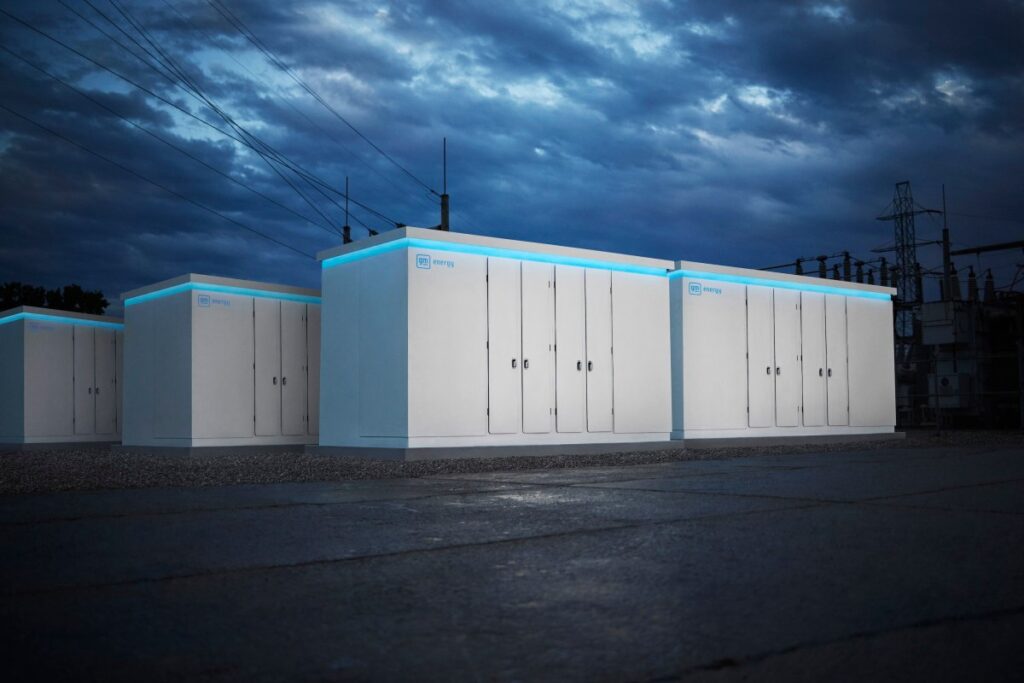
Table of Contents
The Pivot from Pavement to Power Grids
For years, the automotive industry’s obsession with batteries has been singular: range. The goal was always more miles per charge, leading to a fierce arms race in lithium-ion density. But as the U.S. electric vehicle market hits a period of stagnation, a different kind of battery gold rush is happening—one that doesn’t involve wheels. Stationary energy storage, the massive battery arrays that stabilize power grids and fuel data centers, is seeing an explosion in demand.
General Motors is now attempting to carve out a piece of this market, but it is taking a fundamentally different approach than its rivals. While Tesla and Ford have largely repurposed their EV battery tech for home and grid use, GM is betting on a distinct chemistry: sodium-ion.
Breaking the Lithium Monopoly
The logic behind GM’s move is as much about geopolitics as it is about physics. Currently, the lithium-ion supply chain is heavily concentrated, with Chinese firms dominating the processing of critical materials like cobalt. Sodium, by contrast, is abundant, cheap, and available globally.
“It gives us a path towards supply-chain resilience and low-cost materials,” Andy Oury, business planning manager at GM, told TechCrunch. By focusing on sodium-ion, GM isn’t just building a product; it’s building a hedge against the volatility of the lithium market and the strategic risks of overseas dependency.
Technically, sodium-ion is a natural fit for stationary storage. While it lacks the energy density required to make a long-range luxury sedan competitive, it excels where weight is irrelevant. These cells don’t require the complex active cooling systems that lithium packs demand, they can withstand significantly more charge-discharge cycles, and they are inherently more stable—meaning they are far less prone to the thermal runaway events that lead to battery fires.
The Tesla Shadow
GM is entering a market where Tesla has already established a near-monopoly. Last year, Tesla was responsible for a staggering 82% of the 57 gigawatt-hours of energy storage installed globally. The financial incentive for this pivot is clear: Tesla’s energy segment operates at gross profits of around 30%, dwarfing the margins of the automotive sector. To put that in perspective, GM’s average gross margin over the last 15 years has hovered just above 11%.
However, GM is playing a long game. The company’s sodium-ion cells aren’t expected to hit the market until later this decade. This deliberate pace is a strategic choice to protect their EV pipeline. Rather than diverting lithium-ion capacity from their gigafactories to the energy sector, GM is keeping that capacity reserved for a potential EV resurgence.
The AI Catalyst and the LMR Wildcard
The urgency for these batteries is being accelerated by the AI boom. The massive data centers required to train and run Large Language Models (LLMs) are putting unprecedented pressure on electrical grids. Energy demand for these facilities is projected to nearly triple by 2030, creating a desperate need for the kind of large-scale buffering that GM’s new chemistry aims to provide.
Beyond sodium, GM is also developing lithium-manganese-rich (LMR) chemistry, slated for a 2028 debut. LMR is designed to slash the cost of new EVs by roughly 10%, potentially bringing electric cars to price parity with internal combustion engines. If LMR solves the affordability crisis for EVs, sodium-ion can then serve as the foundational layer for the grid and low-cost, short-range urban vehicles.
The risk, as always, is timing. If the AI-driven infrastructure bubble bursts before GM’s sodium-ion cells are commercialized, they may miss the primary growth wave. But for Paul Menson, director of energy storage commercialization at GM, the bet is on the tech, not the trend. He argues that having the superior, lower-cost product is the only real protection against market contraction.