Gigabyte Aero X16 Hits $1,389: A Rare Win for 32GB Memory in a Budget-Friendly Chassis
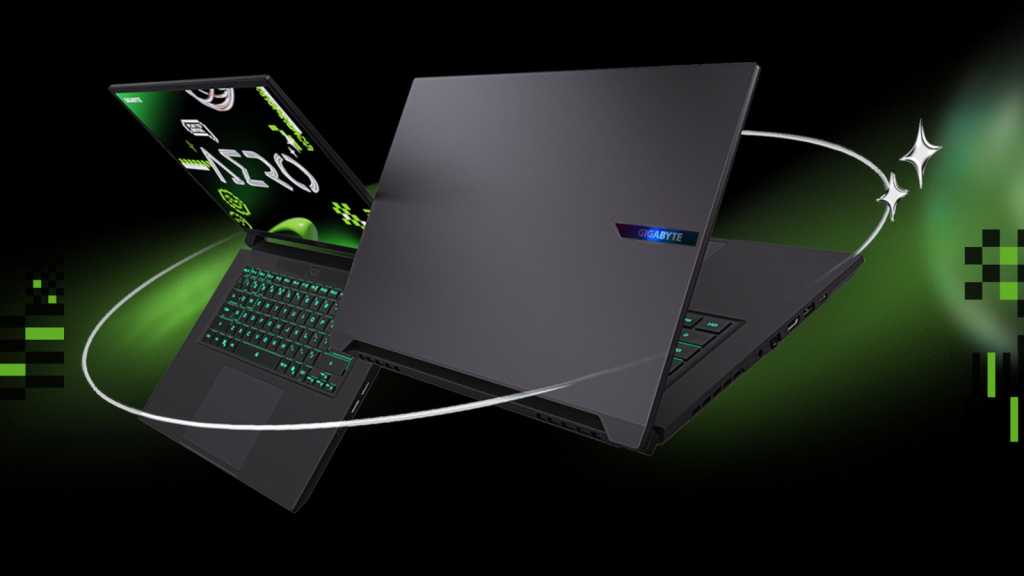
Table of Contents
A Shift in the Mid-Range Value Proposition
Finding a gaming laptop that balances high-capacity memory with a sub-$1,400 price tag has become increasingly difficult as manufacturers lean into soldered RAM and tiered pricing. However, the Gigabyte Aero X16 has just become a compelling outlier. Currently listed at $1,389.99—a steep drop from its $1,999.99 MSRP—the machine is positioning itself as a high-value alternative for creators and gamers who refuse to compromise on multitasking overhead.
While the laptop has frequently hovered around the $1,800 mark in recent months, this current price cut represents a more aggressive pivot. For the price of a mid-tier machine, buyers are getting a hardware stack that typically demands a premium: an RTX 5070 GPU, 32GB of DDR5 RAM, and an AMD Ryzen AI 7 350 processor. In an era where 16GB is still the standard for “budget” gaming, the inclusion of 32GB is particularly timely given the increasing memory demands of modern AAA titles and AI-driven productivity tools.
Hardware Breakdown: Efficiency vs. Raw Power
The heart of the Aero X16 is the AMD Ryzen AI 7 350. Unlike the power-hungry HX series found in thick “desktop replacement” laptops, the AI 7 350 is designed for efficiency. This makes the Aero X16 surprisingly portable for a 16-inch device, tipping the scales at just 4.19 pounds. It is a chassis designed for the user who needs to move between a home office and a coffee shop without carrying a ten-pound brick.
The RTX 5070 provides the necessary graphical muscle, allowing the laptop to comfortably handle most modern titles at its native 2560×1600 resolution. Speaking of the display, the 16-inch IPS panel offers a respectable pixel density of 189 PPI. While it lacks the infinite contrast ratios and deep blacks of an OLED screen, the IPS implementation here is color-accurate and maintains wide viewing angles, making it a viable tool for light video editing or digital illustration.
The Longevity Factor
One of the most critical, yet often overlooked, aspects of the Aero X16 is its serviceability. In a market trend where brands are increasingly soldering RAM and storage to the motherboard to save space, Gigabyte has kept the 32GB of DDR5 RAM and the 1TB SSD replaceable. This significantly extends the lifecycle of the machine, allowing users to upgrade their storage or memory as their needs evolve without needing to replace the entire system.
The Battery Trade-off
No hardware deal is without a caveat, and for the Aero X16, that compromise is power endurance. Despite the efficiency of the Ryzen AI processor, the machine remains power-hungry. Gigabyte’s marketing claims of 12-hour battery life are largely theoretical, likely based on low-brightness idling.
Real-world usage paints a different picture. Users report closer to 9 hours of endurance during mixed-use workloads—such as web browsing and video streaming—but that number plummets to roughly 2 hours when gaming. For anyone planning to use this as a serious gaming rig on the go, a power brick remains a non-negotiable accessory.
Ultimately, the Aero X16 at $1,389 represents a strategic a win for the consumer. It bridges the gap between the ultra-portable thin-and-lights and the cumbersome gaming behemoths, providing a professional aesthetic and high memory overhead that is rare at this price point.


