Gareth Damian Martin Debuts ‘Signet City,’ a Monochrome Fungalpunk RPG About Parasitic Influence
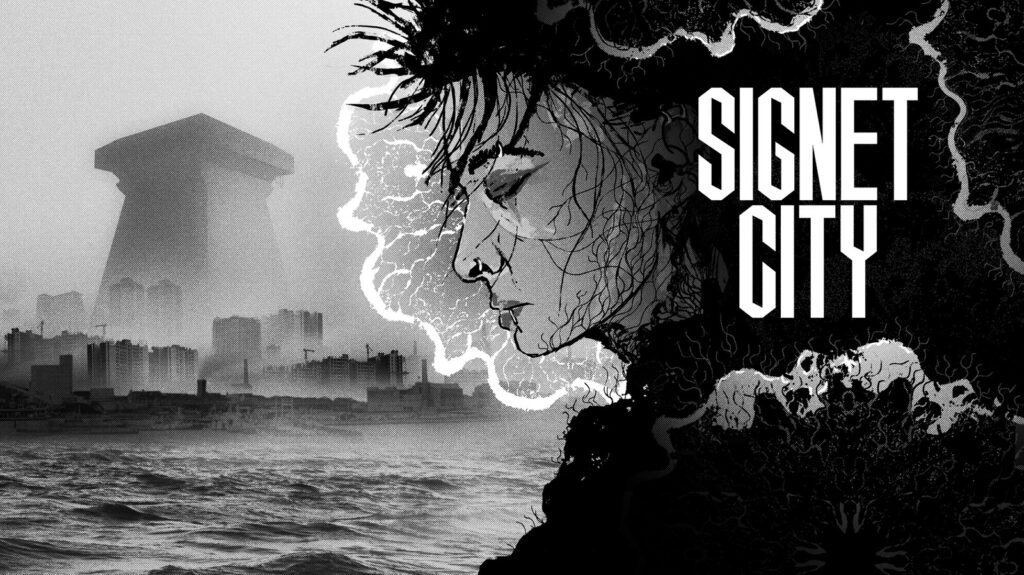
Table of Contents
A Departure from Space Stations and Alien Oceans
Gareth Damian Martin, the creative force behind the critically acclaimed Citizen Sleeper and In Other Waters, has unveiled their next project: Signet City. Described by Martin as a “fungalpunk” RPG, the title marks a pivot from the deep-space loneliness and xenobiology of their previous work toward something more grounded, though no less surreal.
The reveal arrived via a stark, atmospheric trailer that pairs a monochrome, high-contrast aesthetic with the jarring post-punk drones of the band SPRINTS. The setting evokes a sense of industrial decay—reminiscent of Half-Life 2‘s City 17—but overgrown with an oppressive, fungal architecture that suggests a world in the midst of a biological takeover.
The Parasite as Protagonist
Mechanically, Signet City appears to be stripping away the traditional notion of the RPG avatar. Rather than playing as a hero or a survivor, players take on the role of a parasite. According to publisher Fellow Traveller, the gameplay centers on moving through the “social body” of the city, infiltrating the lives of its inhabitants to shape conversations and influence the trajectory of their personal stories.
This parasitic hook allows the narrative to delve into the interiority of its characters in a way few RPGs attempt. By inhabiting hosts, the player becomes a silent observer and manipulator, utilizing the evocative, prose-heavy storytelling that has become the hallmark of Martin’s studio, Jump Over the Age. The goal isn’t merely survival, but witnessing the “terminal season” of the city through the eyes of those trapped within it.
Industrial Roots and Academic Influence
While the imagery is surreal, the inspiration is rooted in real-world socio-economics. Martin has noted that the setting is partly informed by the turbulent political and economic climate of the United Kingdom during the 1980s, specifically drawing from the bleakness of northern industrial cities. This blend of 80s austerity and fungal horror creates a specific brand of atmospheric tension that differentiates the game from the more common “apocalypse” tropes seen in titles like The Last of Us.
The obsession with fungi is not a new pivot for Martin, but rather a refinement of a long-standing interest. In previous discussions regarding Citizen Sleeper, Martin cited Anna Tsing’s The Mushroom at the End of the World as a primary influence. Tsing’s work uses the matsutake mushroom as a lens to critique capitalism and ecological precarity—themes that resonate strongly with the “precariat” class depicted in Martin’s previous games. In Signet City, the fungi are no longer just background elements of an alien ecosystem; they are the central engine of the world’s collapse and the player’s primary means of interaction.
New Collaborators and Visual Style
Visually, the game moves away from the digital interfaces of Citizen Sleeper in favor of a more tactile, analog feel. The developers cite screentoned manga, pen-and-ink sketches, and black-and-white photography as the primary aesthetic touchstones, promising a look that feels less like a render and more like a graphic novel.
This shift in direction is accompanied by a change in the audio team. While Amos Roddy scored the previous titles, Signet City will feature a soundtrack and audio design by Eli Rainsberry. Tom Kitchen has also joined the project to assist with environmental art, ensuring the city’s oppressive scale is felt in every frame.
Signet City is slated for release on PC via Steam later this year. While console versions are highly likely given the success of Martin’s previous titles on Switch and PlayStation, Fellow Traveller has not yet confirmed a wider release strategy.