From 4chan Memes to A24: How Kane Parsons and the ‘YouTube-to-Cinema’ Pipeline are Redefining Horror
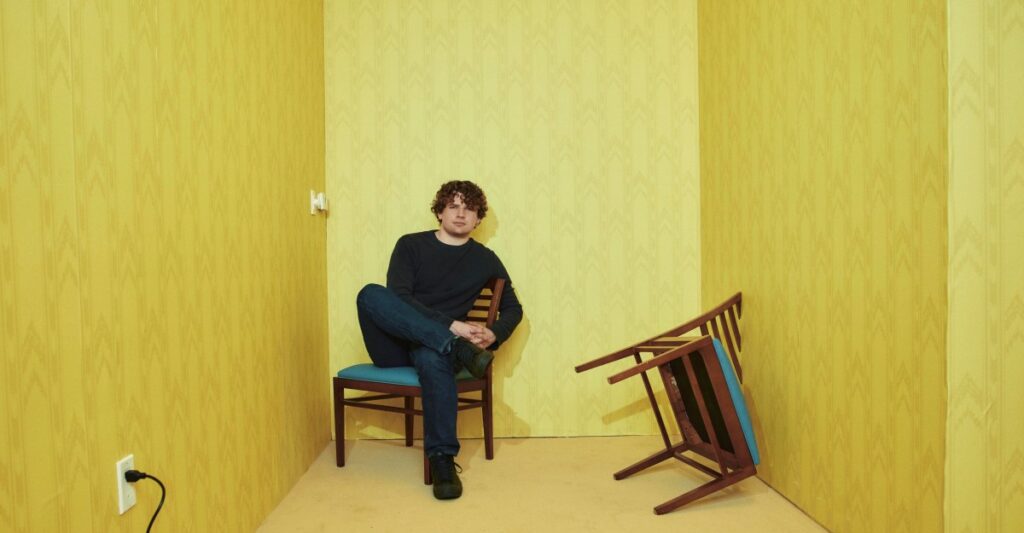
Table of Contents
The Algorithm as a Talent Scout
For decades, the path to directing a feature film involved film school, short-circuiting through indie festivals, or years of assisting established directors. But a new pipeline has emerged, one where the primary portfolio is a YouTube channel and the primary metric for success is viral engagement. The latest example of this shift is Backrooms, the A24-backed feature film directed by Kane Parsons, a creator who built a massive following by translating a 4chan creepypasta into a visceral, analog-horror cinematic experience.
Parsons isn’t an anomaly; he is part of a broader trend of ‘creator-directors’ finding their way into the studio system. The Philippou brothers, who transitioned from YouTube comedy to the breakout hit Talk to Me, and Mark Fischbach (known as Markiplier), whose project Iron Lung bridged the gap between indie gaming and theatrical release, have proven that internet fame translates into a tangible, low-risk asset for studios. For A24, the appeal is simple: a built-in audience that acts as a pre-installed marketing engine.
Translating ‘Liminal Space’ for the Big Screen
The Backrooms concept—centered on the dread of ‘liminal spaces’ and the unsettling familiarity of empty office corridors—is inherently atmospheric. On YouTube, this ‘vibe-forward’ approach works perfectly; viewers can pause, analyze frames, and obsess over hidden lore in the comments section. However, bringing that aesthetic to a paying theater audience requires a different structural approach.
In discussing the transition, Parsons noted the danger of creating something too dense for newcomers. While his online series consists of 22 shorts that dive deep into the intricate ‘biomes’ of the extradimensional maze, the film focuses on a more grounded narrative. Starring Chiwetel Ejiofor as a furniture salesman who discovers a portal beneath his store, the movie trades some of the expansive lore for a tighter psychological study of a man losing his grip on reality.
Parsons explained that the challenge lay in replicating the feeling of the original short without overwhelming the audience. By focusing on the core aesthetic—the yellow wallpaper and the oppressive silence—rather than the exhaustive geography of the Backrooms universe, he managed to maintain the ‘vibe’ while providing the narrative momentum required for a feature film.
The Economics of Low-Risk Horror
The financial logic behind these acquisitions is stark. Horror is one of the few genres where micro-budgets can yield exponential returns. Backrooms, reported to have a production cost of $10 million, is currently on track to earn $45 million in its opening weekend. Compare this to the Philippou brothers’ Talk to Me, which turned a $4.5 million budget into nearly $92 million in revenue.
Studios are increasingly viewing YouTube creators not just as artists, but as proven commodities. When a director arrives with millions of subscribers, the traditional ‘discovery’ phase of marketing is largely bypassed. This has created a booming environment for low-budget, high-concept horror, sitting alongside the success of other atmospheric hits like Longlegs and Ti West’s X series.
The Danger of the Feedback Loop
Despite the success, Parsons has remained wary of the very system that elevated him. The ‘YouTube algorithm,’ he suggests, is not always a collaborator in the creative process. There is a tension between creating a cohesive piece of art and feeding the demand of a fandom that expects a specific type of lore-dump in every scene.
The risk for these new auteurs is the ‘engagement trap’—where a creator allows online discourse to dictate the plot, leading to contrived storytelling. For Parsons, the move to a studio like A24 provided a necessary buffer, allowing him to distill his internet-native vision into a professional cinematic format without being beholden to the immediate, often volatile, feedback loop of a comment section.