Fox Acquires Roku in $22 Billion Bet on the Future of Connected TV
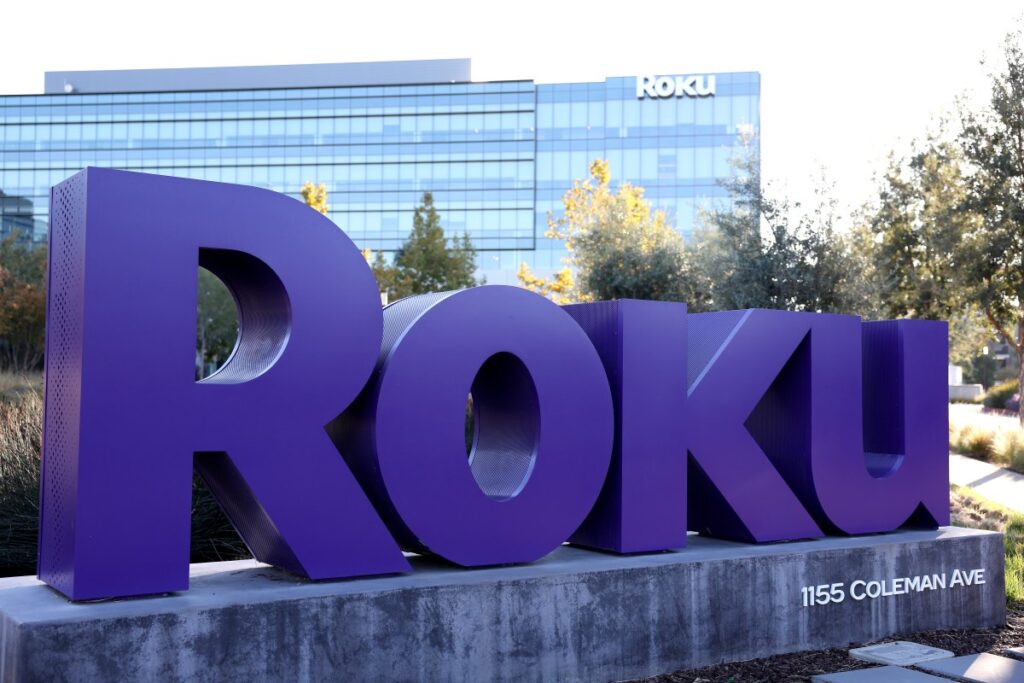
Table of Contents
The Great Convergence: Fox’s Strategic Leap into the OS Layer
In a move that signals a fundamental shift in how media conglomerates view the distribution of content, Fox has confirmed it is acquiring Roku in a transaction valued at approximately $22 billion. The deal, comprising a mix of cash and stock, represents one of the most significant media acquisitions of the decade. By absorbing Roku, Fox is not merely buying another streaming service; it is purchasing the very gateway through which millions of households access the internet on their television screens.
For years, the industry has debated whether ‘linear’ TV (scheduled broadcasts) and ‘streaming’ (on-demand) are competing forces. This acquisition suggests a different thesis: that the most valuable position in the modern media landscape is the intersection of the two. Fox is leveraging its dominance in high-value, live-appointment viewing—specifically sports and news—and grafting it onto Roku’s massive operating system (OS) footprint.
- Financial Scale: The $22 billion valuation reflects the premium Fox is willing to pay for direct access to 100 million households.
- Vertical Integration: Fox now controls both the content (Fox News, Fox Sports, Tubi) and the platform (Roku OS).
- Ad-Tech Evolution: The merger aims to create a more sophisticated, data-driven advertising engine by combining linear reach with digital targeting.
- Timeline: The deal is expected to close in the first half of 2027, pending regulatory approvals.
Breaking Down the Synergy: Content Meets Distribution
To understand why Fox is spending $22 billion, one must look at the structural struggle of traditional broadcasters. Fox has a powerhouse of content, but it is often beholden to cable providers or third-party hardware manufacturers to reach its audience. By acquiring Roku, Fox effectively removes the middleman.
The Roku OS Advantage
Roku is not just a stick or a box; it is a software ecosystem. When a user turns on a Roku-powered TV, the home screen determines what they see first. This “prime real estate” is where the battle for attention is won. By controlling the OS, Fox can prioritize its own services—such as Tubi and its newer Fox One offering—directly in the user interface, reducing friction and increasing viewership.
The Tubi Factor
Fox’s 2020 acquisition of Tubi for $440 million was a calculated entry into the FAST (Free Ad-supported Streaming TV) market. Integrating Tubi more deeply into the Roku ecosystem creates a seamless pipeline for ad-supported content, allowing Fox to scale its free streaming ambitions far faster than it could as a standalone app.
The Economics of the $22 Billion Deal
The financial architecture of this deal is complex. Fox has secured a $12 billion loan to facilitate the purchase, indicating a heavy reliance on debt to accelerate its growth profile. This move mirrors the aggressive consolidation patterns seen across the tech and media sectors, where companies are racing to achieve “critical mass” before the market reaches a saturation point.
| Metric | Roku (Standalone) | Combined Entity (Estimated) |
|---|---|---|
| Household Reach | ~100 Million | 100M+ (Integrated with Fox Linear) |
| Revenue Streams | Platform & Ad Revenue | Ads, Subscriptions, Affiliates, Hardware |
| Market Position | Hardware/OS Leader | Top 3 US TV Business by Viewership |
What This Means for the End User and the Advertiser
The immediate impact of this deal will likely be invisible to the average viewer, but the long-term shift in user experience will be profound. We are moving toward an era of “Hyper-Personalized Linear TV.”
For the Viewer
Expect more integrated experiences. Imagine a world where your Roku home screen dynamically updates based on the live Fox Sports game happening in real-time, or where Tubi recommendations are tied directly to the linear broadcasts you watch. However, there is a risk of “walled garden” fatigue. As Fox integrates its services, users may find that competing streaming apps are less prominently featured or harder to discover on the Roku interface.
For the Advertiser
This is where the real value lies. Traditionally, TV ads were a blunt instrument—you bought a slot and hoped the right people saw it. Roku provides granular data on who is watching and what they like. By combining this with Fox’s massive live audience, Fox can offer advertisers a “unified profile.” They can track a viewer from a live NFL game on a linear channel to a specific movie on Tubi, providing a level of attribution and targeting that was previously impossible in traditional broadcasting.
Navigating the Regulatory Minefield
A $22 billion merger in the media space rarely sails through without scrutiny. The Federal Trade Commission (FTC) and the Department of Justice (DOJ) will likely examine this deal through the lens of antitrust and consumer choice. The primary concern will be whether Fox, by owning the platform, will unfairly disadvantage other streaming services (like Netflix, Disney+, or Max) on the Roku interface.
Industry analysts suggest that Fox will argue the deal is pro-competitive, claiming it allows them to compete more effectively against the “Big Tech” dominance of Amazon (Fire TV) and Google (Android TV). The outcome of these regulatory reviews will determine if the deal closes in early 2027 as planned or if Fox is forced to divest certain assets or agree to “net neutrality” style rules for the Roku home screen.
Industry Perspective: The Death of the Middleman?
Lachlan Murdoch’s description of this as a “defining moment” is not hyperbole. The media industry is currently in a state of violent transition. The “cable bundle” is disintegrating, and the companies that survive will be those that control the entire value chain: production, distribution, and the user interface.
By owning Roku, Fox is no longer just a content creator; it is a landlord. Every other streaming service that wants to be on Roku is now essentially paying rent to Fox. This flips the power dynamic of the streaming wars. While Netflix spends billions on content to attract users to its app, Fox has bought the app store itself.
Frequently Asked Questions
Will my Roku device stop working after the acquisition?
No. The acquisition is a corporate change in ownership. Your hardware and current app installations will continue to function as normal. The transition is expected to be seamless for the end-user.
Will Roku devices become more expensive?
There is no official word on pricing changes. However, Fox may explore new subscription tiers or bundled hardware packages that include Fox-specific services to incentivize adoption.
Does this mean Tubi will be integrated into Roku?
Tubi is already available on Roku, but the acquisition allows for deeper integration, potentially making Tubi a native part of the Roku OS experience or giving it preferential placement on the home screen.
Will Fox remove other streaming apps from Roku?
It is unlikely that Fox would remove major competitors like Netflix or Hulu, as that would alienate users and likely trigger antitrust lawsuits. However, the *visibility* and *promotion* of those apps may change.
When does the deal officially close?
The companies expect the deal to close in the first half of 2027, pending board and regulatory approval.