FAA Clears Blue Origin’s New Glenn for Flight After Upper Stage Thermal Failure
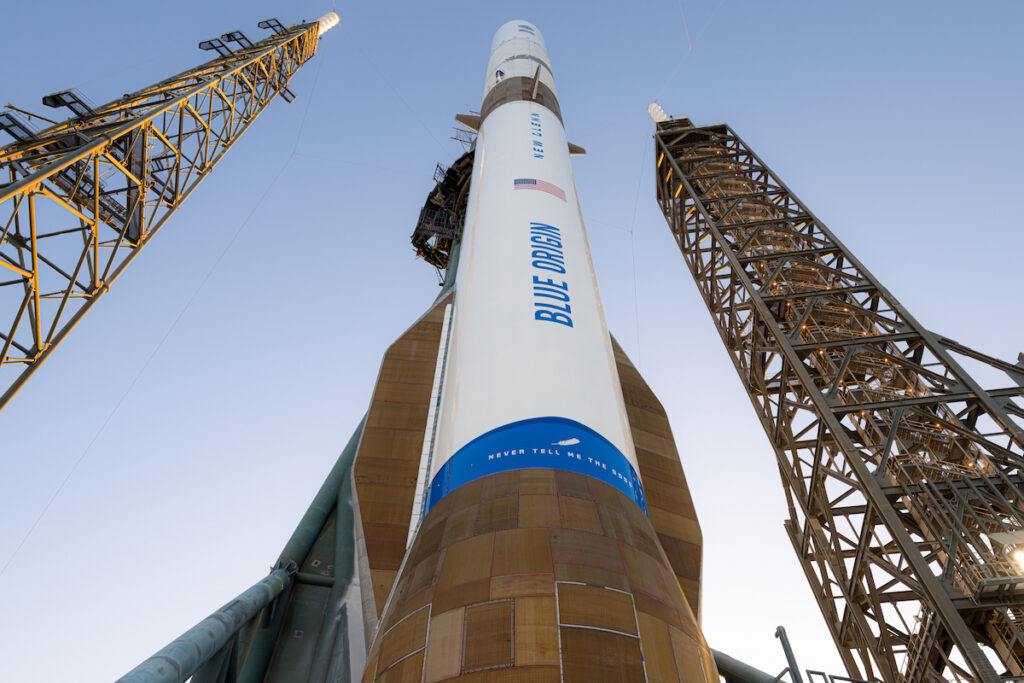
Table of Contents
Back on the Pad
Blue Origin’s New Glenn, the massive heavy-lift orbital rocket designed to compete with SpaceX’s Falcon 9 and Starship, is officially cleared to return to flight. The Federal Aviation Administration (FAA) lifted the grounding of the vehicle on Friday, following a detailed investigation into an April launch that ended with a commercial payload incinerating in the atmosphere.
The incident served as a sobering reminder of the volatility inherent in orbital logistics. While the first stage of the rocket performed its primary mission with precision, the upper stage failed to deliver a satellite for AST SpaceMobile into its intended orbit. The result was a total loss of the spacecraft, though AST SpaceMobile confirmed that the asset was fully insured, mitigating the immediate financial blow to the satellite operator.
The ‘Off-Nominal’ Thermal Condition
In a brief update shared via X, Blue Origin described the failure as an “off-nominal thermal condition” within the upper stage. According to the company, this thermal anomaly directly impacted one of the three engines powering the second stage, causing it to produce thrust levels significantly below the required parameters. Without sufficient velocity to reach orbit, the satellite succumbed to atmospheric drag and burned up.
The lack of granular technical detail in Blue Origin’s public statement is typical for the company, which historically maintains a more secretive posture than its competitors. However, the FAA’s decision to clear the rocket suggests that the “corrective measures” implemented by Jeff Bezos’ space venture addressed the root cause of the thermal instability. While Blue Origin did not specify whether the fix involved a hardware redesign or a software update to the engine’s thermal management system, the regulatory green light indicates the risk has been deemed acceptable for future missions.
The Silver Lining: Booster Recovery
Despite the loss of the payload, the April flight was not a total failure. In a critical win for the company’s long-term business model, the New Glenn booster stage—the most expensive part of the stack—was successfully recovered. This marked the first time Blue Origin had reused a New Glenn booster, landing it precisely on a drone ship in the ocean for the second time.
This recovery is central to Blue Origin’s strategy. By proving that the first stage can be flown and landed repeatedly, the company is attempting to mirror the cost-efficiency that has allowed SpaceX to dominate the commercial launch market. The ability to recover the booster even when the upper stage fails suggests that the primary stage’s flight software and landing systems are robust.
Racing the 2026 Clock
The one-month grounding is a minor setback in terms of calendar days, but the pressure on Blue Origin is mounting. The company has set an aggressive target of launching New Glenn as many as 12 times by the end of 2026. To hit these numbers, the company needs a high cadence of reliable flights to build trust with commercial customers who are increasingly wary of the “bottleneck” currently caused by the limited availability of heavy-lift vehicles.
With the FAA clearance now in hand, the focus shifts to whether the thermal fix holds under the stresses of maximum payload capacity. As New Glenn begins to carry heavier commercial and government loads, any recurrence of these “off-nominal” conditions could lead to more prolonged groundings and a loss of confidence from partners who cannot afford to see their hardware burn up upon reentry.


