Explosions, Ego, and Enterprise: The Chaotic State of the New Space Race
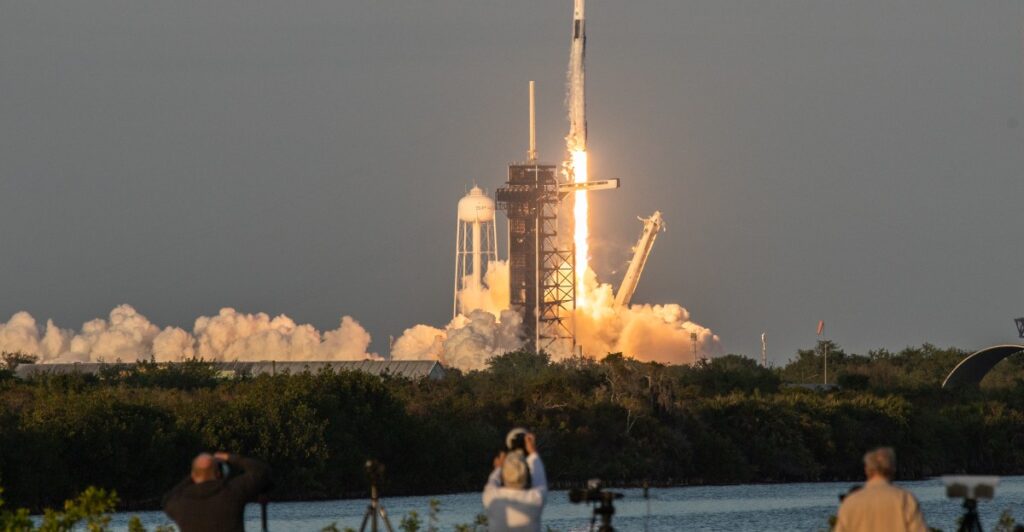
Table of Contents
The High Cost of Iteration
The current era of commercial spaceflight is defined by a jarring contrast: breathtaking success and spectacular failure, often occurring within the same hour. At the center of this volatility is SpaceX, where the development of the Starship vehicle has become a public exercise in ‘rapid unscheduled disassembly.’
Recent attempts to refine the massive heavy-lift rocket have been fraught. After a series of explosions during flight tests seven, eight, and nine, the company recently saw a prototype vehicle successfully deploy Starlink simulator satellites and achieve a controlled splashdown in the Indian Ocean. However, that momentum was short-lived. A subsequent static fire test of Ship 36 at the Massey’s Testing Center ended in a massive explosion during the loading of cryogenic propellant, obliterating the vehicle and damaging the surrounding stand.
To some observers, the frequency of these failures suggests a streak of bad luck. To industry experts, it’s a calculated risk. Wendy Whitman Cobb, a space policy expert with the School of Advanced Air and Space Studies, notes that such failures are not unusual when dealing with hardware as complex as Starship. What is unusual is the pace. SpaceX is operating on a timeline that makes traditional aerospace development—characterized by decades of cautious planning—look like a standstill.
Blue Origin’s Pivot to Enterprise
While Elon Musk leans into the spectacle of trial-and-error, Jeff Bezos is quietly positioning Blue Origin to attack the infrastructure of the internet itself. The company recently unveiled TeraWave, a satellite network designed to provide bandwidth of up to 6Tb globally. Unlike Starlink, which aims for the consumer mass market, Blue Origin is pivoting toward the corporate sector.
Dave Limp, the former Amazon Alexa head now leading Blue Origin, has clarified that TeraWave is “purpose-built for enterprise customers.” This strategic distinction suggests Bezos is less interested in fighting for individual home subscriptions and more focused on the lucrative high-capacity needs of governments and global corporations. The network is slated for deployment starting in late 2027, coinciding with the anticipated ramp-up of the New Glenn rocket, which is expected to make its debut flight in January.
The Starliner Crisis and Regulatory Friction
While SpaceX and Blue Origin fight for dominance, Boeing continues to grapple with the fallout of its Starliner program. The mission, intended to be a routine crewed flight test, turned into a nine-month ordeal for astronauts who were forced to extend their stay at the International Space Station due to technical failures.
A recent 311-page redacted report released by NASA Administrator Jared Isaacman paints a grim picture of the program’s internal health. The document cites a “combined interplay of hardware failures, qualification gaps, leadership missteps, and cultural breakdowns” that compromised NASA’s safety standards. Despite these systemic issues, NASA and Boeing are still pushing for another crewed flight, potentially as late as early 2026.
This struggle highlights a growing divide in the industry. While the U.S. private sector accelerates, Europe remains hampered by the very bureaucracy that once defined its aerospace success. The European Space Agency’s Ariane 6 finally embarked on its first commercial mission in March, but the continent remains woefully behind in the satellite internet race, despite having launched its first assets as early as 2019.
As the FAA expands hazard areas and restricts launch windows to non-peak transit periods to accommodate the volatility of Starship, the industry is moving toward a tipping point. The race is no longer just about reaching orbit; it is about who can build a sustainable, scalable infrastructure in a vacuum where a single fuel leak can result in a total loss of hardware.