Erin Brockovich Targets ‘Secret’ Data Center Expansion in New Transparency Campaign
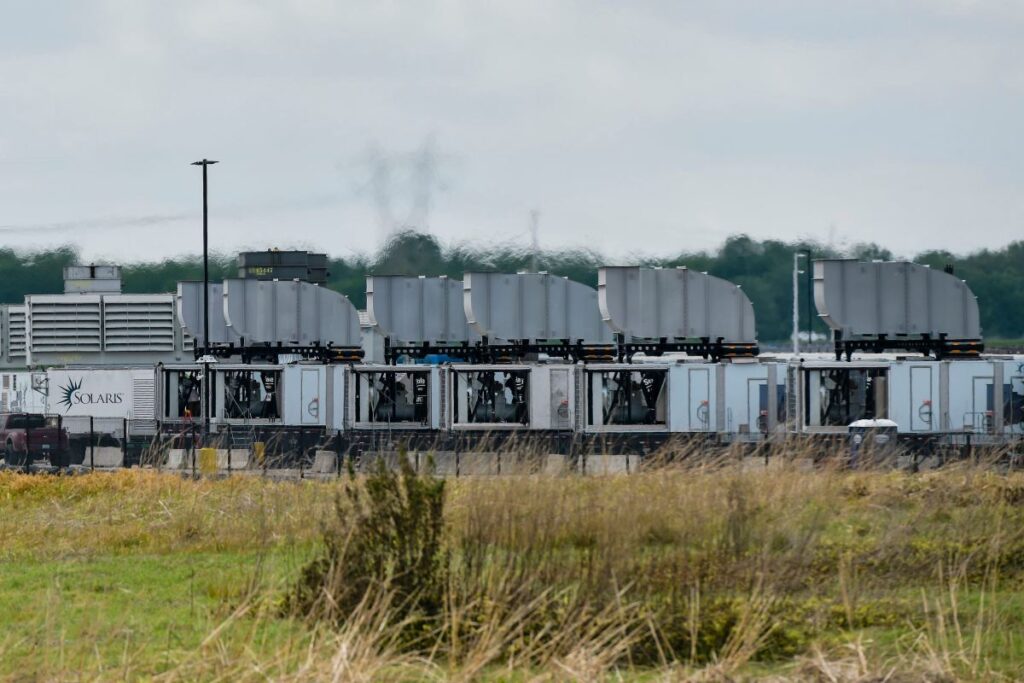
Table of Contents
A New Target for Environmental Advocacy
Erin Brockovich, the consumer advocate whose legal battle against Pacific Gas & Electric became a cultural touchstone for corporate accountability, has shifted her focus toward the physical footprint of the AI boom. Brockovich is now targeting the opaque nature of data center development, arguing that the rush to build infrastructure for large language models is leaving local communities in the dark.
The campaign centers on a newly launched, crowdsourced mapping project designed to track data center locations and their associated community impacts across the United States. While the project is currently listed as a “work in progress,” it serves as a repository for grievances from residents who claim they were blindsided by massive industrial developments in their backyards.
The ‘Transparency Gap’ in Infrastructure
The initiative follows a widespread call for information issued by Brockovich in April. According to a recent Substack update, the response was overwhelming, with nearly 4,000 submissions arriving within the first month. While the technical environmental concerns—such as massive water consumption for cooling systems and the strain on local electrical grids—are prevalent, Brockovich notes that a more systemic issue is emerging.
“The single most common concern — more than noise, more than water usage, more than rising utility bills — is the one word that keeps appearing in submission after submission: transparency,” Brockovich wrote.
This lack of openness often manifests in the way land is acquired and permits are processed. Brockovich highlights a recurring pattern where projects are announced only after the legal permits have been secured, effectively bypassing meaningful public comment periods. In some instances, the secrecy is institutionalized; she points to local officials who reportedly signed non-disclosure agreements (NDAs) before the general public was even aware that a data center was being considered for their municipality.
The Friction Between AI Growth and Local Governance
The tension Brockovich is highlighting is a growing pain for the entire tech sector. As companies like Microsoft, Google, and Amazon race to scale their compute capacity to keep pace with generative AI, the demand for land and power has surged. This has led to a competitive “land grab” where developers often prioritize speed and secrecy to avoid zoning hurdles or organized community opposition.
However, Brockovich is careful to clarify that her crusade is not an anti-technology movement. She stated she is not making a “blanket argument against data centers” or the advancement of AI. Instead, the focus is on the ethics of deployment. The core of the issue is the discrepancy between the high-tech promises of the “cloud” and the gritty, physical reality of the warehouses, power substations, and water pipelines required to sustain it.
Environmental and Social Implications
Data centers are notoriously resource-intensive. For every single AI query, a small amount of water is evaporated for cooling, and the energy requirements for training models like GPT-4 are astronomical. When these facilities are dropped into rural or semi-rural areas without transparency, the impact on local water tables and utility costs can be immediate and severe.
By mapping these facilities and documenting the anecdotal experiences of residents, Brockovich is attempting to create a public record that mirrors the corporate filings often hidden behind NDAs. This approach shifts the narrative from a technical debate about “compute” to a social debate about community consent and environmental justice.
As the infrastructure layer of the AI revolution continues to expand, the push for transparency is likely to intensify, moving from grassroots maps to formal legislative challenges regarding how these digital hubs are integrated into the physical world.


