England’s ‘Waste Super Sites’: Environment Agency Maps 117 High-Priority Illegal Dumps
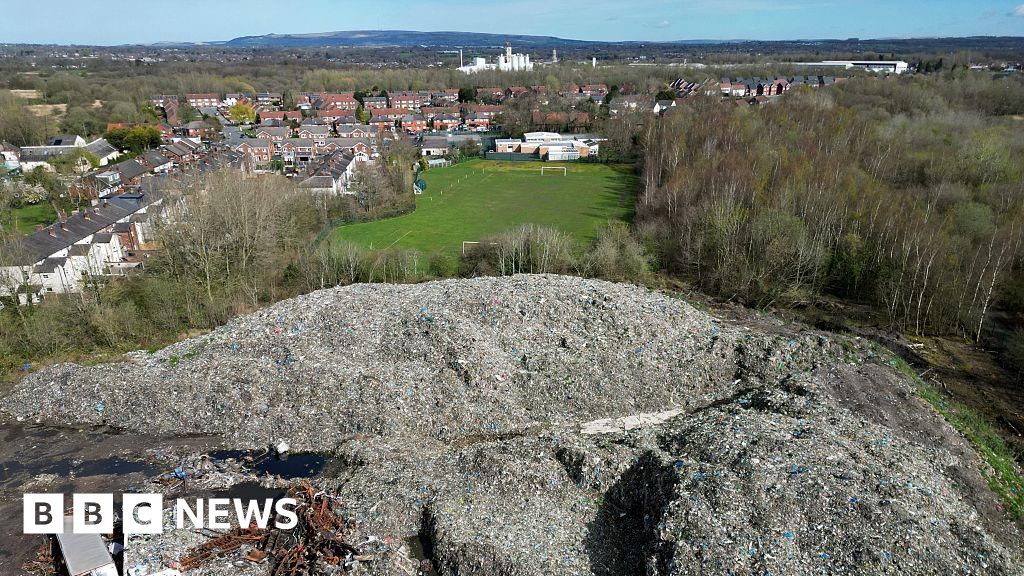
Table of Contents
A New Map of Environmental Crime
The Environment Agency (EA) has unveiled a high-priority watchlist of 117 illegal waste sites across England, exposing the scale of a clandestine industry that transforms rural landscapes into massive landfills. Of these, 28 have been designated as “super sites,” a classification reserved for dumps containing upwards of 20,000 tonnes of waste. This move represents a shift toward greater transparency, though it also highlights the staggering logistical and financial burden of cleaning up industrial-scale neglect.
The most egregious example is located in Northwich, Cheshire, where a staggering 281,000 tonnes of contaminated soil have been piled—a discovery that mirrors findings from a previous BBC investigation into the region’s waste management failures. Other significant concentrations of refuse have been identified in Wigan and Sheffield, which together house nearly 40,000 tonnes of debris. These sites aren’t just eyesores; they are complex environmental hazards containing a volatile mix of household waste, construction materials, asbestos, and tyres.
The Logistics of Clearance and Taxpayer Risk
While the publication of the list is intended to reassure the public that the government is monitoring these areas, the reality of the cleanup is fraught with budgetary tension. The EA has clarified that it is not generally funded to clear every site on the watchlist. Instead, remediation is reserved for “exceptional circumstances,” dictated by a government-mandated criteria focusing on immediate environmental risks and direct impacts on local communities.
Currently, operations are underway at sites in Hoads Wood, Kent, and Kidlington, Oxfordshire. However, for many property owners and residents, the government’s approach feels reactionary. Geoff Howarth, a business owner situated next to the Sheffield site, expressed skepticism regarding the agency’s ability to curb the trend, suggesting that the watchlist provides little comfort without a corresponding increase in enforcement and preventative measures.
Howarth’s frustration points to a systemic issue in waste crime: the disconnect between identifying a site and holding the perpetrator financially accountable. He argued that public funds should only be deployed if the land can be seized from criminals and sold to recoup the costs of the cleanup, preventing the state from effectively subsidizing criminal activity.
The Enforcement Gap
The Environment Agency estimates that there are roughly 700 illegal waste sites in total across the country. The decision to highlight only 117 of them is a tactical choice by the EA to focus resources on the highest-risk areas. Philip Duffy, the EA’s chief executive, described waste crime as a “serious blight” and framed the watchlist as a tool for both public transparency and a warning to offenders.
However, the agency is walking a fine line between transparency and operational security. The watchlist provides only broad locations and general descriptions of the waste involved. According to the EA, providing more granular data could prejudice ongoing criminal investigations and jeopardize future enforcement actions. This creates a tension where the public knows a “super site” exists in their vicinity, but cannot pinpoint it or the individuals responsible.
The government’s wider waste crime action plan aims to treat these dumps not just as regulatory failures, but as organized crime. By utilizing new tracking tools and urging public reports, the EA hopes to dismantle the networks that allow these sites to operate without permits, often under the guise of legitimate construction or landscaping businesses.