England’s ‘Super Site’ Crisis: Environment Agency Unveils High-Priority Illegal Waste Watchlist
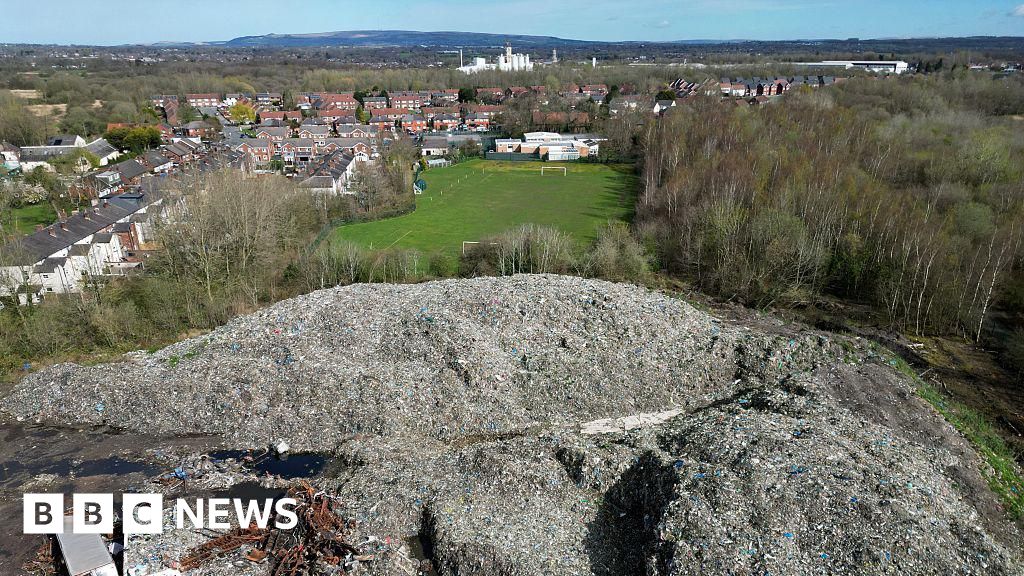
Table of Contents
The Scale of England’s Shadow Waste Network
The Environment Agency (EA) has released a stark accounting of England’s struggle with industrial-scale fly-tipping, publishing a high-priority watchlist of 117 illegal waste sites. The most alarming revelation is the existence of 28 “super sites”—massive repositories of illicit debris where the volume of waste exceeds 20,000 tonnes per location.
The sheer scale of these operations suggests a systemic failure in waste tracking and enforcement. The largest of these sites, located in Northwich, Cheshire, consists of a staggering 281,000 tonnes of contaminated soil. This particular site was previously flagged during a BBC investigation in January, highlighting a recurring pattern where illegal operations manage to amass mountain-sized heaps of refuse before regulatory bodies can intervene.
While the EA estimates there are approximately 700 illegal waste sites across the country, this new list represents the most acute threats. By prioritizing these specific locations, the agency aims to provide a transparent metric for its enforcement efforts and signal to local residents that these hotspots are under surveillance.
Financial Friction and the Burden of Cleanup
The watchlist includes several sites currently undergoing cleanup, such as those in Kidlington, Oxfordshire, and Hoads Wood, Kent. However, the logistics of remediation are fraught with financial and legal complexity. Huge deposits in Wigan and Sheffield, collectively totaling nearly 40,000 tonnes of waste, have been earmarked for potential clearance under the government’s waste crime action plan.
Crucially, these clearances may be funded by the taxpayer. This has sparked significant friction among affected business owners and residents. Geoff Howarth, who operates a business adjacent to the Sheffield site, expressed skepticism regarding the EA’s ability to deter future crimes. Howarth argues that public funds should only be utilized if the land is seized from the criminals themselves, allowing the state to recoup costs through the sale of the assets.
The EA maintains a conservative approach to spending, stating it is not generally funded to clear these sites. Intervention typically occurs only when a site meets specific, high-risk criteria—namely, posing a serious environmental hazard or creating an immediate impact on the local community.
The Logistics of Waste Crime
The nature of these sites varies significantly, ranging from “ghost” operations—businesses that operate without the necessary permits—to remote countryside plots used as dumping grounds. The materials involved are often hazardous, including asbestos, industrial tyres, construction debris, and general household waste.
To prevent the compromise of active investigations, the EA has limited the detail provided in the public watchlist, offering only broad locations. This strategic ambiguity is intended to keep operators from relocating waste before enforcement teams can execute warrants.
Philip Duffy, Chief Executive of the Environment Agency, described waste crime as a “serious blight” on the landscape. He framed the publication of the watchlist as a psychological tool as much as a logistical one, stating that the move is intended to warn perpetrators that they are being tracked.
The agency intends to update the watchlist monthly, treating the list as a living document to track the progress of clearances and the identification of new sites. For now, the EA is relying on public intelligence to fill the gaps in their surveillance, urging residents to report any suspicious activity around the named areas.


