Elon Musk Accuses Pentagon of Terms of Service Breach Over ‘Kamikaze’ Drone Integration
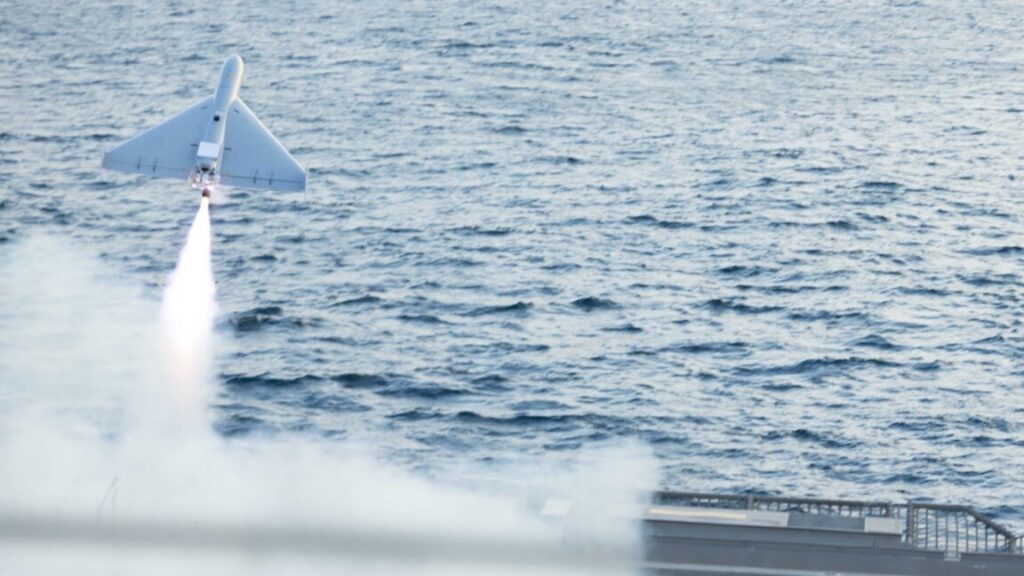
Table of Contents
A Collision of Commercial Terms and Combat Realities
The friction between SpaceX’s commercial ambitions and the Pentagon’s operational needs has reached a new flashpoint. Elon Musk has alleged that the U.S. military improperly utilized civilian Starlink services to power “kamikaze” attack drones, a move he claims constitutes a direct violation of the company’s terms of service.
The dispute centers on the Low-cost Uncrewed Combat Attack System (LUCAS), a fleet of budget-friendly attack drones developed by defense contractor Spektreworks. Designed as a cost-effective alternative to traditional missiles—and partially reverse-engineered from Iranian drone designs—these platforms are intended to be one-way trips, detonating upon impact with their target.
According to Musk, these drones were incorrectly configured by the contractor to connect to the civilian Starlink network rather than Starshield, the dedicated government-grade satellite constellation. While Starshield is designed for the rigors and security requirements of national defense, the commercial Starlink network explicitly prohibits use in weapon systems.
The $20,000 Pricing Gap
The technical dispute over which network was used appears to have coincided with a significant financial disagreement. A recent Reuters report, citing Pentagon documents, suggests that SpaceX sought to hike the price of satellite access for these drones from $5,000 to $25,000 per connection.
The friction here is rooted in a fundamental mismatch between SpaceX’s billing model and the nature of a suicide drone. The $25,000 fee is a monthly subscription tailored for aviation-tier aircraft—platforms that fly for hours or days over multiple missions. In contrast, a LUCAS drone is destroyed upon its first arrival, meaning the connection is only active for a few hours at most. Pentagon officials reportedly argued that charging a full monthly aviation fee for a single-use disposable asset was illogical.
Despite these objections, the Pentagon ultimately agreed to the price increase. However, the tension persists. Senior officials, including Deputy Secretary of Defense Steve Feinberg, have reportedly expressed unease over the arrangement, leading to follow-up meetings with Terrence O’Shaughnessy, the retired four-star Air Force general now heading SpaceX’s defense business.
Strategic Dependencies and Digital Borders
This conflict highlights the precarious nature of the “commercial-off-the-shelf” (COTS) strategy the Pentagon has adopted to accelerate innovation. By relying on SpaceX, the U.S. military gains rapid deployment capabilities but finds itself subject to the pricing whims and terms of service of a private entity.
The dependency extends beyond combat drones. The two parties are reportedly deadlocked over the cost of providing direct-to-cell connectivity for Iranian citizens attempting to bypass government internet blackouts. SpaceX has allegedly proposed a $500 million launch fee and a $100 million monthly operating cost for the capability—figures that have reportedly caused alarm within defense circles.
While the Pentagon denies any violation of its agreement with SpaceX, the internal documents reveal a military that is still deeply reliant on the Starlink ecosystem. Even amid the pricing bickering, the U.S. is considering the purchase of over 3,500 additional Starshield terminal subscriptions, a deal that could generate hundreds of millions of dollars in annual revenue for Musk’s company.
The LUCAS program, with drones costing roughly $35,000 per unit, was meant to democratize precision strike capabilities. Instead, the integration of satellite connectivity has turned these drones into a case study for the complex, often contentious relationship between the world’s most powerful military and the world’s most disruptive private space company.


