DJI Osmo Pocket 4 Leaks: 1-Inch Sensor, 4K 240fps, and a Surprising ‘Pro’ Variant
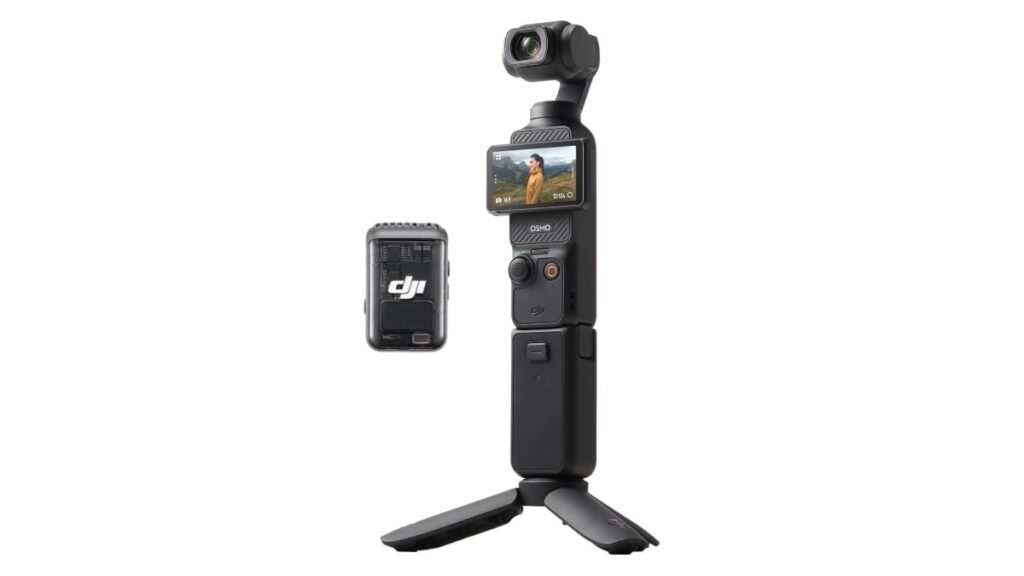
Table of Contents
The vlogging landscape is about to shift again. Leaked renders and specification details for the DJI Osmo Pocket 4 have surfaced online, suggesting that DJI is not merely iterating on the successful Pocket 3, but is attempting to push the boundaries of what a pocket-sized gimbal can achieve. The leaks, primarily circulated by industry tipster Igor Bogdanov (@Quadro_News) on X, point toward a device that bridges the gap between a consumer vlogging tool and a professional B-roll machine.
- Hardware Leap: Expected 1-inch sensor for superior dynamic range and low-light performance.
- High-Speed Capture: Rumors of 4K 240fps support, enabling cinematic slow motion without compromising resolution.
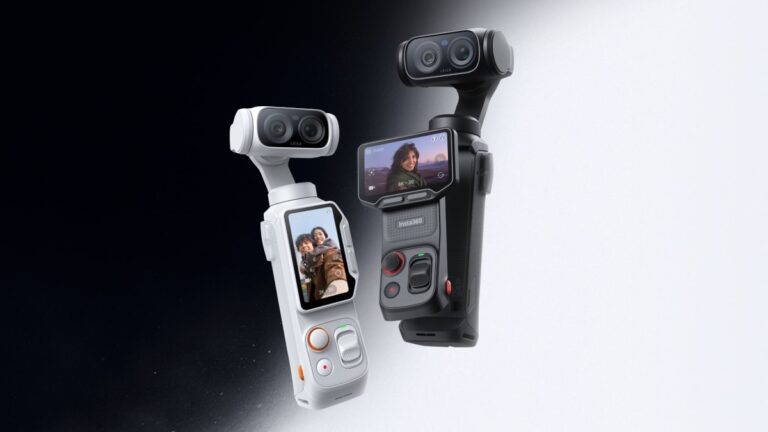
- Tiered Strategy: Leaked imagery suggests a ‘Pro’ variant alongside the standard Osmo Pocket 4.
- Expanded Ecosystem: A massive accessory bundle including the DJI Mic 2 system and specialized adapters.
The Leak: Analysis of the Bogdanov Renders
The recent images shared by Igor Bogdanov provide a Rare glimpse into DJI’s hardware pipeline. Unlike typical low-resolution leaks, these renders show a detailed breakdown of the chassis and a comprehensive list of accessories. While the form factor remains familiar—a compact handle with a rotating camera head—the subtle changes in the lens housing suggest a shift in optical capabilities.
Most intriguing is the apparent existence of two distinct models. For years, DJI has operated a linear upgrade path for the Pocket series. The introduction of a DJI Osmo Pocket 4 Pro would mark a strategic pivot, similar to how Apple segments the iPhone lineup. A ‘Pro’ model would likely differentiate itself not through the sensor size—which is expected to be a 1-inch chip across both—but through processing power, higher bit-depth recording (possibly 10-bit Log across more frame rates), and perhaps a more robust build quality.
Technical Deep Dive: 1-Inch Sensors and 4K 240fps
To understand why a 1-inch sensor is the focal point of this leak, we have to look at the physics of light. In a camera as small as the Osmo Pocket, sensor size is the single most important factor for image quality. A 1-inch sensor provides a significantly larger surface area to capture photons compared to the smaller sensors found in traditional action cameras or smartphones.
What this means for the user: In low-light environments—such as a dimly lit street in Tokyo or a moody indoor venue—the Pocket 4 will be able to maintain a lower ISO, which drastically reduces the “grain” or digital noise that often plagues small-sensor cameras. When paired with DJI’s gimbal stabilization, this allows for clean, cinematic footage that previously required a mirrorless camera and a bulky external stabilizer.
The rumored support for 4K 240fps is equally disruptive. Currently, most high-end pocket cameras cap high-frame-rate 4K at 60fps or 120fps. Stepping up to 240fps allows for a 10x slowdown in a 24fps timeline. This isn’t just for “slow motion”; it’s for capturing micro-expressions and fast-action movements with a level of fluidity that was previously reserved for RED or ARRI cinema cameras in professional productions.
Comparing the Evolution of the Osmo Pocket Series
| Feature | Pocket 2 | Pocket 3 | Pocket 4 (Rumored) |
|---|---|---|---|
| Sensor Size | 1/1.7-inch | 1-inch | 1-inch (Optimized) |
| Max 4K FPS | 60 fps | 120 fps | 240 fps |
| Screen | Small Fixed | 2-inch Rotatable | Improved Rotatable OLED |
| Pro Model | No | No | Likely |
The Accessory Ecosystem: More Than Just a Tripod
One of the most telling parts of the leak is the sheer volume of accessories pictured. The bundle allegedly includes a hard-shell case, a padded zip case, a battery extension, a tripod, and an expansion adapter. However, the most critical component is the integration of the DJI Mic 2 system.
Audio is often the weakest link in vlogging. By bundling the Mic 2 transmitter with windscreens and a clip magnet, DJI is acknowledging that the target audience for the Pocket 4 isn’t just the casual traveler, but the content creator who needs broadcast-quality audio without a complex setup. The inclusion of a magnetic fill light also suggests a focus on improving the “selfie” aspect of vlogging, ensuring that the subject is well-lit even when the 1-inch sensor is pushed to its limits.
Practical Implications: Who is this for?
The shift toward a potentially tiered (Standard vs. Pro) lineup changes the value proposition. For the average user, the standard Pocket 4 will already be an overkill machine, offering stabilization and image quality that exceeds most smartphones. But for professional videographers, the 4K 240fps capability transforms the device into a specialized tool for capturing high-speed B-roll.
The ‘Pro’ Case: If the Pro model includes features like internal ProRes recording or a more advanced cooling system to prevent overheating during 4K 240fps shoots, it becomes a legitimate tool for commercial work. Thermal management is always the Achilles’ heel of small cameras; if DJI has solved this in the Pro model, it will be the definitive choice for pros.
Addressing the Competition
DJI isn’t just fighting other gimbal cameras; they are fighting the Insta360 X4 and the latest GoPro flagships. While action cams win on durability and waterproofing, the Osmo Pocket series wins on image quality and stability. By pushing into 240fps and a 1-inch sensor, DJI is effectively telling the market that the “action” part of the camera is less important than the “cinematic” part.
Furthermore, the rise of “short-form” video (TikTok, Reels, Shorts) has created a demand for high-quality vertical video. The Pocket 4, with its naturally vertical orientation and rotating screen, is perfectly positioned to dominate this segment.
FAQs about the DJI Osmo Pocket 4
When is the DJI Osmo Pocket 4 release date?
While not officially confirmed by DJI, leaks suggest a launch event is scheduled for this Thursday. We expect a global rollout shortly after the announcement.
Will the Osmo Pocket 4 be waterproof?
Historically, the Pocket series is not waterproof due to the exposed gimbal motors. For underwater shots, users typically use a dedicated waterproof diving case, which is expected to be available as an accessory.
Is the 1-inch sensor an upgrade over the Pocket 3?
The Pocket 3 already introduced the 1-inch sensor. The Pocket 4 is expected to use a refined version of this sensor, likely with better read-out speeds to enable the 240fps mode and improved noise reduction algorithms.
What is the difference between the Standard and Pro models?
Based on current leaks, the Pro model may offer a more comprehensive accessory bundle, potentially higher-grade internal storage, or advanced recording formats like 10-bit ProRes that are omitted from the base model.
Will it work with the DJI Mic 2?
Yes, the leaked renders specifically show the DJI Mic 2 transmitter and accessories as part of the expanded bundle, confirming deep integration between the audio and video hardware.
As we approach the official event, the industry is watching closely to see if DJI can maintain its momentum. The Osmo Pocket 4 isn’t just about higher numbers; it’s about refining the workflow for the next generation of digital storytellers. Whether you are a professional cinematographer or a hobbyist, the promise of 4K 240fps in your pocket is a compelling reason to upgrade.