Digital Warfare and Kinetic Strikes: How Signal Intelligence Guided US Operations in Qeshm and Goruk
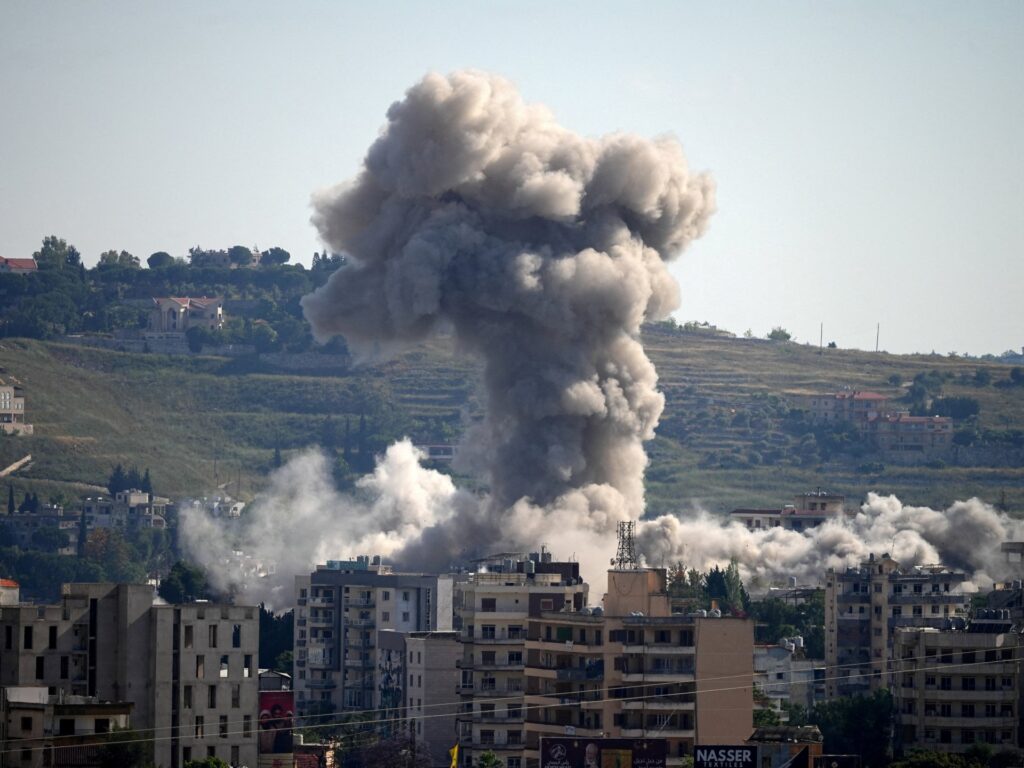
Table of Contents
The Precision Logic of the Qeshm and Goruk Strikes
Recent US military operations targeting sites in Qeshm and Goruk, coupled with reports of ‘hostile’ missile activity near Kuwait, mark a significant escalation in the Middle East. While the geopolitical fallout is widely documented, the technical execution of these strikes reveals a heavy reliance on the integration of Signal Intelligence (SIGINT) and real-time electronic warfare (EW) capabilities.
The precision required to strike specific targets in the complex maritime and coastal environments of Qeshm suggests the use of advanced target acquisition systems. These operations typically rely on a combination of Synthetic Aperture Radar (SAR) from orbiting platforms and ground-based signal interceptors that can pinpoint the exact location of command-and-control hubs by analyzing encrypted radio traffic. When the US military targets specific infrastructure, it is rarely a blind strike; it is the culmination of an ‘intelligence kill chain’ where digital fingerprints are converted into GPS coordinates.
Decoding the Missile Alerts in Kuwait
The reported ‘hostile’ missile attacks in Kuwait highlight a critical technological tension: the gap between detection and interception. For Kuwaiti defense systems to identify incoming projectiles as hostile, they rely on automated threat-assessment software that distinguishes between civilian aviation, friendly drones, and ballistic threats based on velocity and trajectory profiles.
This process is managed by integrated air defense networks that utilize phased-array radars. These systems are designed to filter out ‘clutter’—environmental noise and electronic decoys—to ensure that interceptors are launched only against verified threats. The speed at which these alerts were issued suggests a highly synchronized digital handshake between regional radar installations and command centers, though the efficacy of these systems is often tested by ‘spoofing’ techniques where attackers attempt to mimic the electronic signature of non-threatening aircraft.
The Invisible Front: SIGINT and Cyber Integration
Beyond the kinetic explosions, a quieter technological battle is taking place. The coordination of strikes in Iran often precedes the physical attack with a surge in cyber activity designed to blind the adversary’s early warning systems. By compromising the telemetry of local radar grids or inducing latency in communication networks, the US can create ‘blind spots’ that allow aircraft and missiles to penetrate airspace undetected.
Furthermore, the mention of Lebanon ceasefire discussions occurring simultaneously with these clashes indicates a strategic use of information warfare. In modern conflict, the timing of a strike is often calibrated to coincide with digital diplomacy, using the threat of superior technological dominance to force concessions at the negotiating table.
Infrastructure and the Cost of Precision
The targets in Goruk and Qeshm are likely not random. From a technical standpoint, the US focuses on ‘nodes’—critical intersections of power, data, and command. By disabling a single high-value electronic node, the military can effectively paralyze a larger operational network without needing to destroy every individual asset. This ‘surgical’ approach is made possible by AI-driven analysis of network topologies, identifying which physical location holds the most digital importance to the enemy’s operational capacity.
As the situation evolves, the intersection of kinetic force and digital intelligence will remain the primary driver of the conflict’s trajectory. The ability to detect, track, and neutralize threats in milliseconds is no longer just a military advantage; it is the core of modern statecraft in the digital age.


