Digital Surveillance and the Policing of Prayer: How Algorithmic Vigilantism is Reshaping Public Space in Uttar Pradesh
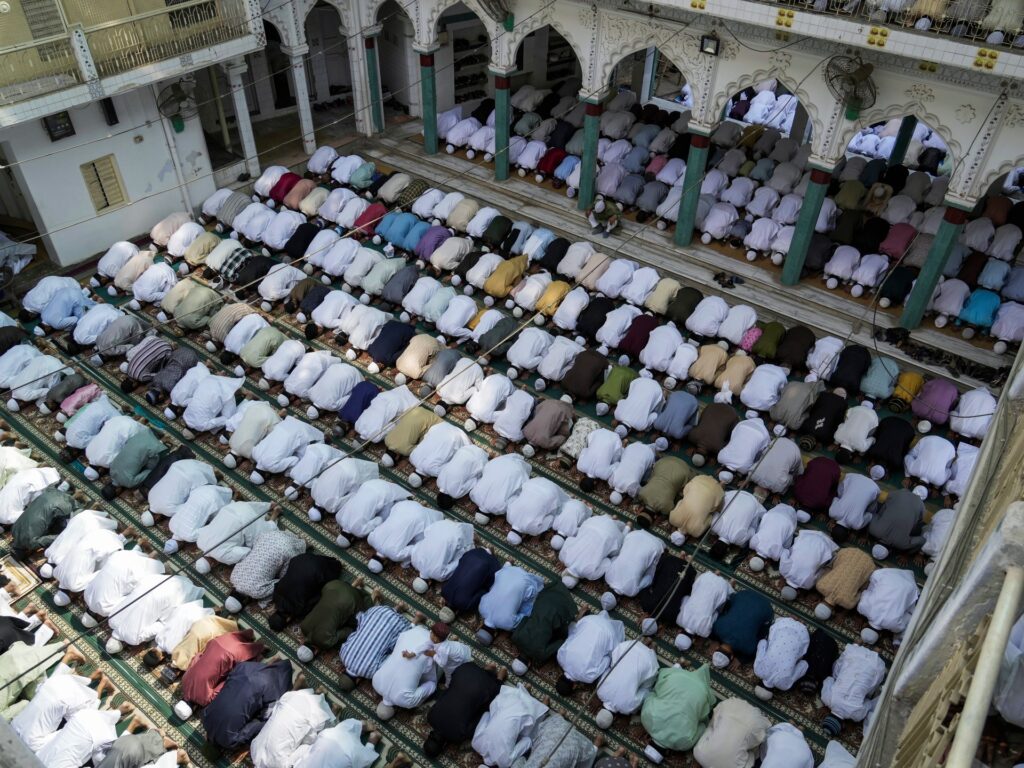
Table of Contents
The Digitization of Disruption
In the village of Maliyana, located roughly 80 kilometers from New Delhi, the preparations for Eid al-Adha are no longer focused solely on faith or charity. Instead, the discourse within mosque management committees has shifted toward a tactical analysis of visibility. The primary threat is no longer just physical barricades, but the ubiquitous presence of the smartphone camera and the rapid-fire distribution of footage across WhatsApp and X (formerly Twitter).
For the Muslim community in Uttar Pradesh, the act of praying in public has been transformed into a digital liability. What was once a matter of logistical necessity—using open plots and roads because mosques cannot accommodate mass congregations—has become a trigger for what can be described as algorithmic vigilantism. Viral clips of namaz prayers in open spaces are frequently weaponized by right-wing groups, such as the Vishwa Hindu Parishad (VHP), to spark online outrage, which then pressures local authorities to withdraw previously granted permissions.
Surveillance as a Tool of Governance
The intersection of technology and state power in India’s most populous state has reached a tipping point under the administration of Chief Minister Yogi Adityanath. The state’s approach to policing religious gatherings is increasingly data-driven and punitive. The threat of “another method” mentioned by Adityanath on social media does not exist in a vacuum; it is backed by a sophisticated apparatus of digital monitoring and administrative retaliation.
Reports from the ground in Meerut and Aligarh suggest that the consequences of a viral video extend far beyond a police warning. There is a documented pattern where individuals identified in social media footage of public prayers find themselves facing legal bookings, the sudden cancellation of passport verifications, or the demolition of properties under the guise of municipal violations. The digital footprint of a religious gathering is now being used as a ledger for state retribution.
The ‘Shift’ System and Crowd Control
The government’s recent insistence that prayers be offered in “shifts” is more than a traffic management strategy; it is an attempt to minimize the visual and physical density of the community in public view. By breaking congregations into smaller, less visible units, the state reduces the likelihood of the “show of strength” that far-right groups claim to fear. However, this creates a psychological burden for the worshippers, who must now calculate their movements based on the risk of being recorded.
For mosque committees, this has necessitated a new kind of digital literacy. Organizers are now instructing worshippers to avoid recording videos themselves—not for piety, but for safety. The logic is simple: any footage uploaded to the internet, regardless of intent, can be stripped of context and used as evidence of an “illegal gathering.”
The Psychological Toll of the Permanent Record
The shift from festive joy to pre-emptive anxiety is a direct result of living under a regime of perpetual visibility. When a simple prayer mat on a sidewalk can trigger a digital manhunt, the public square ceases to be a shared space and becomes a zone of risk. The fear of humiliation is amplified by the permanence of the internet; a video of a police crackdown can circulate for years, serving as a deterrent to others.
This environment has turned local WhatsApp groups into essential survival tools. These channels are used to circulate police advisories and real-time warnings about the presence of provocative groups. While these tools provide a layer of safety, they also reinforce a state of siege mentality, where the community is forced to police its own visibility to avoid triggering the state’s surveillance mechanisms.
As religious practices in Uttar Pradesh are increasingly filtered through the lens of a smartphone camera and judged by the logic of an algorithm, the fundamental right to public assembly is being eroded by the very technology that promised to connect the world.