Digital Outrage and ‘Two-Tier’ Narratives: How the Henry Nowak Case Is Fueling Online Polarization
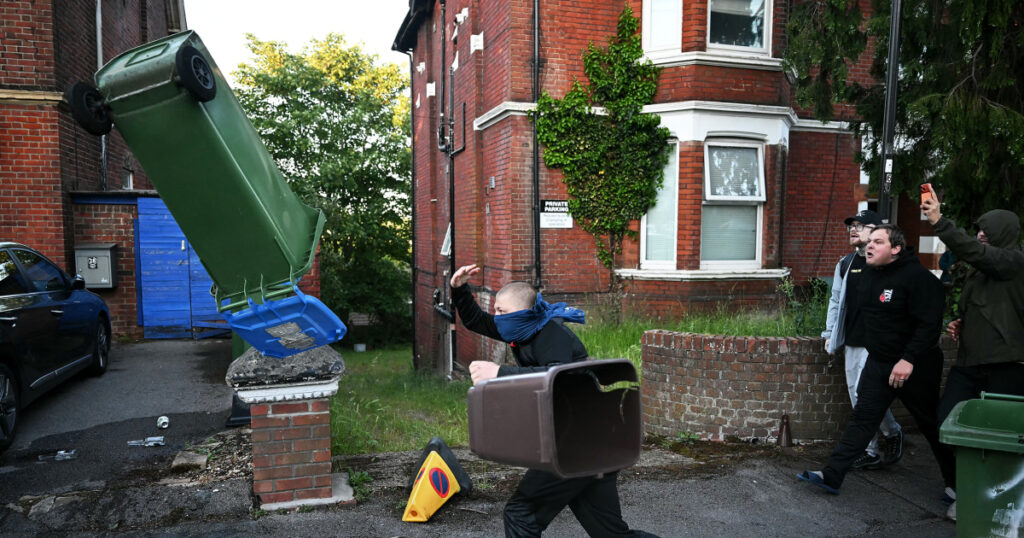
Table of Contents
The death of 18-year-old Henry Nowak in Southampton has evolved from a tragic criminal case into a potent digital catalyst for civil unrest. While the legal proceedings concluded with the conviction of Vickrum Digwa, the subsequent release of police body-camera footage has ignited a firestorm across social media, specifically on X, where the narrative of “two-tier policing” is being algorithmically amplified.
The Footage that Triggered the Surge
The volatility surrounding the case shifted dramatically after the sentencing of 23-year-old Digwa, who received a life sentence with a minimum of 21 years. Police released video evidence that shows officers dismissing Nowak as he lay wounded, repeatedly stating he had been stabbed and could not breathe. The footage reveals a critical failure in triage: officers initially treated the dying victim as a suspect based on false claims made by the attacker.
Prime Minister Keir Starmer described the video as “sickening,” noting that the incident raises urgent questions about how accusations of racism may have compromised police decision-making in the moment. The Independent Office for Police Conduct (IOPC) is currently investigating the Hampshire and Isle of Wight Constabulary to determine if systemic bias or procedural failure led to the delayed resuscitation efforts.
Algorithmic Amplification and the ‘Two-Tier’ Narrative
While the IOPC conducts its investigation, the case has been absorbed into a broader digital campaign by far-right activists and political figures. The term “two-tier policing”—a claim that the UK justice system treats ethnic minorities more leniently than white citizens—has seen a massive spike in engagement on X. This narrative has been pushed by figures such as Reform UK leader Nigel Farage, who urged supporters to respond with “pure cold rage,” and high-profile accounts including X owner Elon Musk and activist Tommy Robinson.
The intersection of real-world tragedy and digital echo chambers became evident on Tuesday night in Southampton. Protests over Nowak’s death devolved into violence, with police officers pelted with flares, rocks, and chairs. Eleven officers and a police dog were injured. For digital strategists and sociologists, this represents a textbook example of how a specific piece of emotive media—in this case, the police footage—can be weaponized to validate pre-existing political grievances and mobilize physical violence via social media coordination.
The Role of the Kirpan Debate
Parallel to the policing debate, a secondary digital conflict has emerged regarding the Sikh kirpan. The judge in the case noted that while Digwa carried a small ceremonial kirpan, the weapon used in the killing was an eight-inch sheathed dagger. This distinction has been largely lost in the online discourse, where some political actors are using the case to call for a total ban on ceremonial knives, further deepening the religious and cultural divide online.
Institutional Response and Systemic Review
In response to the fallout, the National Police Chiefs’ Council has announced a review of its anti-racism guidance. The challenge for the force is balancing the necessity of anti-bias training with the practical requirement that officers do not allow such frameworks to blind them to the immediate physical needs of a victim, regardless of the accusations flying during a chaotic scene.
Mark Nowak, the victim’s father, has explicitly urged against using his son’s death to fuel division. However, in an era of algorithmic curation, the call for peace is often drowned out by the high-engagement metrics of outrage. As the IOPC continues its probe, the Nowak case serves as a stark reminder of how the speed of digital information distribution can outpace the slow process of judicial and institutional accountability, often leaving a vacuum filled by polarization.