Dell’s XPS 13 Pivot: A Student-Focused Price Cut and the Battle for the Back-to-School Market
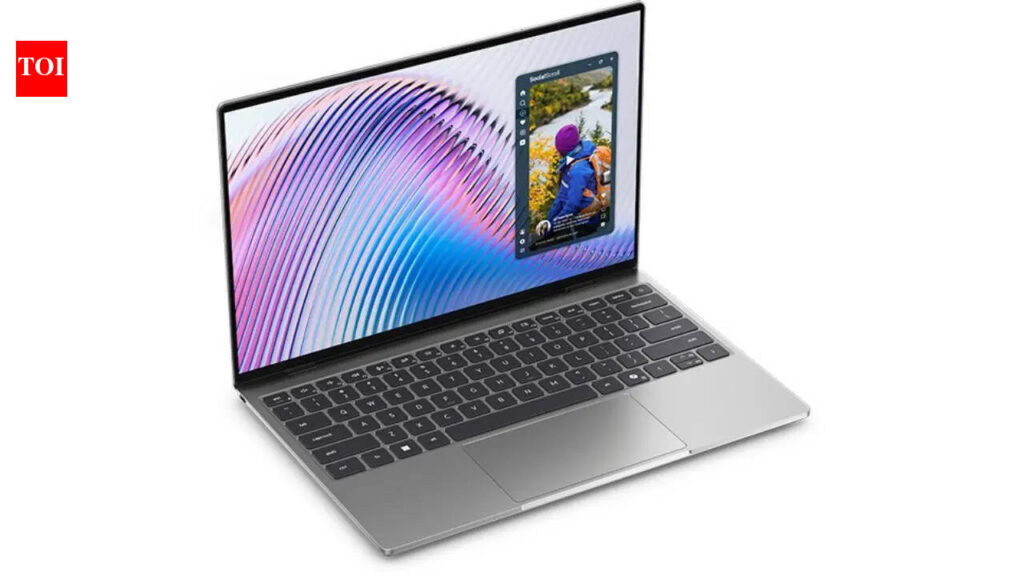
Table of Contents
A Strategic Departure from the Premium Ceiling
Dell is making a calculated gamble on the education sector. By introducing a starting price of $599 for the XPS 13 specifically targeted at students, the company is attempting to lower the barrier to entry for what has historically been one of the most expensive ultraportable lines in the Windows ecosystem.
For years, the XPS 13 has been positioned as the direct competitor to Apple’s MacBook Air, focusing on CNC-machined aluminum chassis, edge-to-edge InfinityEdge displays, and a compact footprint. However, the $1,000+ price floor often pushed students toward the cheaper Inspiron line or the ubiquitous Chromebooks. This new pricing tier suggests Dell is less concerned with maintaining a ‘luxury’ price ceiling and more concerned with capturing the lifetime loyalty of Gen Z users before they enter the corporate workforce.
The Spec Trade-off: What’s Under the Hood?
While Dell hasn’t explicitly detailed every configuration for the $599 model in the initial announcement, industry patterns suggest significant compromises to hit this price point. We expect to see a shift toward the Intel Core i3 or lower-tier i5 processors, likely paired with 8GB of LPDDR5 RAM and a 256GB PCIe NVMe SSD.
The most critical question for power users is whether this model retains the high-resolution OLED panels found in the higher-end XPS trims. It is far more likely that the student edition utilizes the standard FHD+ non-touch display to keep costs down. Despite these cuts, the chassis remains the primary selling point; getting a professional-grade build at a sub-600 dollar price point is a rarity in the current market.
Market Positioning Against Apple and Lenovo
This move puts Dell in direct contention with the M2-powered MacBook Air, which Apple frequently discounts for education. While Apple’s silicon provides a clear advantage in battery life and thermal efficiency, Dell is competing on raw affordability and the flexibility of the Windows 11 environment.
Similarly, Lenovo’s Yoga and IdeaPad lines have long dominated the mid-range student market. By branding the XPS—their flagship—at a student price, Dell is attempting to change the narrative from ‘budget laptop’ to ‘accessible flagship.’ It is a psychological shift in marketing: the student isn’t buying a cheap laptop; they are buying a premium tool at a subsidized rate.
The Ecosystem Play
Lowering the price of hardware is rarely about the immediate margin. For Dell, the XPS 13 is a gateway. Once a student is entrenched in the XPS ecosystem, the path to upgrading to a high-end XPS 15 or a Precision workstation upon graduation becomes much shorter. Moreover, this push aligns with the broader trend of AI-integrated PCs. If Dell can seed the market with these devices now, they can push Copilot+ features and software subscriptions more effectively across a wider user base.
For the average student, the $599 XPS 13 represents one of the best build-quality-to-price ratios available today, provided their workloads remain centered around productivity and web-based research rather than heavy video editing or gaming.


