Dell’s New XPS 13 Pivot: Aggressive Student Pricing Challenges the MacBook Air Dominance
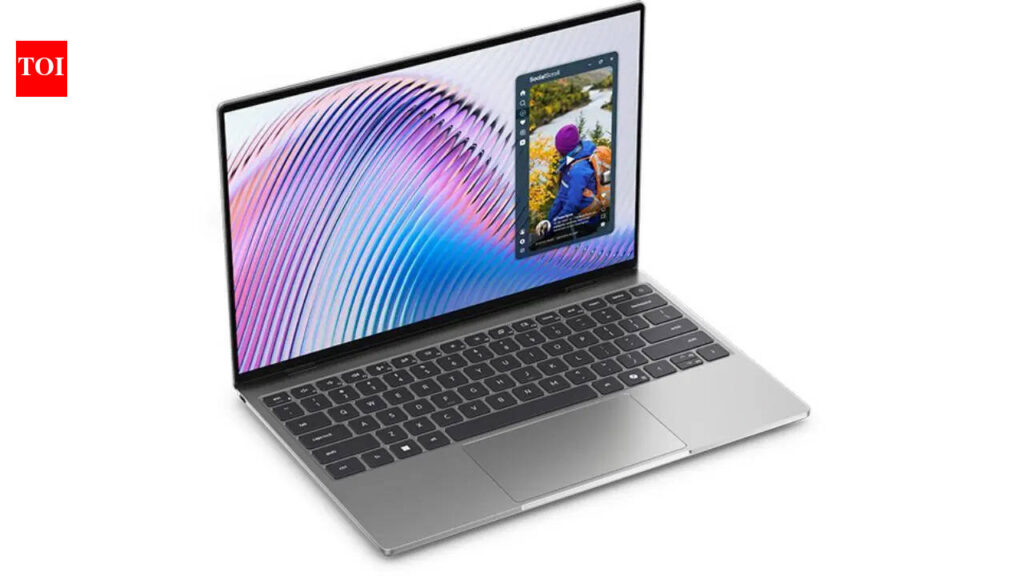
Table of Contents
A Tactical Shift in Premium Portables
Dell is making a surprising play for the education market. In a departure from the XPS line’s usual positioning as a high-margin luxury tool for executives and creatives, the company has unveiled a new XPS 13 configuration with a starting price of $599 specifically for students. This move suggests a strategic pivot intended to capture the Gen Z demographic before they settle into a long-term ecosystem—most notably Apple’s.
Historically, the XPS 13 has sat comfortably in the $1,000 to $1,500 bracket, competing directly with the MacBook Air. By slashing the entry price for verified students, Dell isn’t just offering a discount; they are attempting to redefine the value proposition of the ‘premium’ Windows laptop. The $599 entry point is an aggressive undercut that puts pressure on not only Apple but also HP’s Spectre line and Lenovo’s Yoga series.
The Hardware Trade-off
While the chassis remains the iconic, bezel-less InfinityEdge design, the $599 price point likely involves some calculated compromises. Insiders suggest this specific SKU focuses on efficiency over raw power, likely utilizing a base-tier Intel Core Ultra processor and 8GB or 16GB of LPDDR5x RAM. While power users may scoff at the base specs, for the vast majority of undergraduate workflows—browser-heavy research, document drafting, and streaming—the hardware is more than sufficient.
The real victory here is the build quality. Students typically have to choose between a cheap, plastic-bodied budget laptop or a pricey premium one. By putting a student-friendly price tag on a CNC-machined aluminum frame, Dell is removing the ‘budget’ feel from the budget price point. This is a direct shot at the MacBook Air’s perceived durability and prestige.
The Ecosystem Play
This isn’t just about hardware sales; it’s about software lock-in. As AI integration becomes central to the OS—with Microsoft’s Copilot+ PCs pushing NPU-driven features—getting a laptop into a student’s backpack is the first step in ensuring they use Windows-based AI tools for the next four years of their academic career. If Dell can win the dorm room, they win the subsequent corporate upgrade cycle when those students enter the workforce.
Market Implications
Industry analysts note that this pricing strategy is a response to the stagnation in the general laptop market. With replacement cycles lengthening, manufacturers are forced to find new growth levers. Targeting the education sector with a ‘prestige’ product at a ‘budget’ price is a high-risk, high-reward move. It risks diluting the XPS brand’s exclusivity, but the potential for massive volume gains in the back-to-school season is too significant to ignore.
For now, the $599 pricing is restricted to those with a valid .edu email address or official enrollment verification. It remains to be seen if Dell will expand this pricing to the general public or if this will remain a targeted strike against Apple’s grip on the campus market.


