Dell’s New XPS 13 Chases the MacBook Neo’s Lead, But Windows Memory Woes Remain
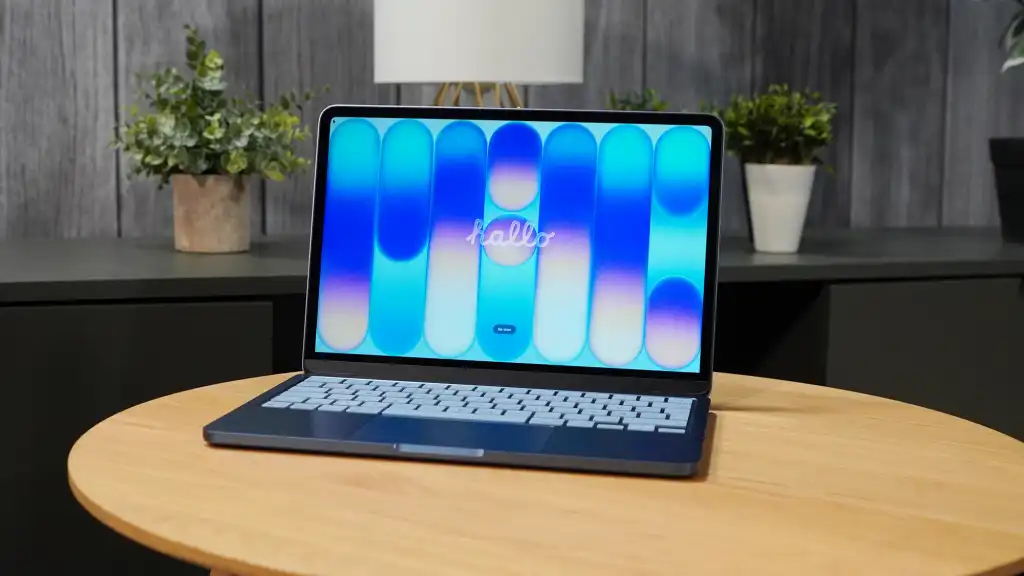
Table of Contents
The Battle for the Entry-Level Premium
For years, the sub-$700 laptop market was a wasteland of plastic chassis and sluggish performance. That changed with the arrival of the MacBook Neo. At $599, Apple managed to compress a premium experience—all-aluminum builds, high-density displays, and exceptional battery life—into a price point that historically belonged to ‘budget’ machines. The industry’s response arrived at Computex, led by Dell’s latest iteration of the XPS 13.
Priced at $699, the new XPS 13 is a transparent attempt to neutralize the MacBook Neo’s momentum. On paper, Dell has not only matched Apple but in some cases, surpassed them. The XPS 13 weighs in at a scant 2.2 pounds and claims 17 hours of battery life. More importantly, it leverages an OLED display and a backlit keyboard, offering a visual experience that edges out the Neo for a modest $100 premium.
However, the hardware specs tell only half the story. While Dell has successfully mirrored Apple’s focus on the tactile ‘feel’ of the device, the XPS 13 faces a systemic hurdle that hardware alone cannot solve: the inherent inefficiency of Windows 11.
The 8GB RAM Gamble
Both the MacBook Neo and the new XPS 13 launch with 8GB of RAM, a decision that has reignited the ‘memory crisis’ debate among tech enthusiasts. In a vacuum, 8GB is often cited as insufficient for modern multitasking. Yet, in real-world application, the experience differs wildly depending on the operating system.
The MacBook Neo utilizes a processor derived from iPhone silicon, prioritizing high single-core performance. When paired with macOS’s aggressive and efficient memory allocation, the result is a machine that punches well above its weight class. Reports from early adopters, including testers at Macworld, indicate the Neo can handle 4K video editing and dozens of open browser tabs without significant stuttering.
The Dell XPS 13, conversely, relies on the new Intel Wildcat Lake processor. While designed specifically for efficiency in affordable laptops, it must contend with Windows 11, an OS notorious for its memory overhead. For the average user—someone checking emails and browsing a few tabs—the XPS 13 will likely feel snappy. But for power users, the 8GB limit combined with Windows’ memory handling creates a ceiling that the MacBook Neo simply doesn’t hit as quickly.
The Software Optimization Gap
The discrepancy isn’t just a matter of coding preference; it’s a historical legacy. In a recent interview, Microsoft CEO Satya Nadella admitted that during the prime PC era, software optimization took a backseat. Developers relied on the trajectory of faster processors to mask inefficient code rather than refining the software itself.
Microsoft is currently attempting to course-correct. The company’s primary objective for 2026 is to strip away the bloat and improve the reliability of Windows 11, following years of user frustration and a noticeable migration toward Linux in certain technical circles. But these architectural changes take time.
Until Windows can match the lean memory management of macOS, the XPS 13 exists in a precarious position. It is a beautifully crafted piece of hardware that risks being hampered by its own operating system. Dell has proven it can build a machine that looks and feels like a MacBook, but the true test will be whether the user experience feels as seamless when the workload increases.
Market Implications
The shift toward ‘premium budget’ devices signals a change in consumer expectations. Buyers are no longer willing to accept ‘plasticky slabs’ just because they are spending under $700. By bringing the XPS prestige down to the $699 mark, Dell is betting that the hardware appeal will outweigh the software frustrations.
For those who view their computer as a utility for basic tasks, the XPS 13 is an attractive, high-value proposition. But for those seeking a daily driver that can handle a chaotic mix of creative apps and heavy multitasking, the MacBook Neo remains the benchmark—not because its screen is better, but because its software actually knows how to use the hardware it’s given.


