Dell’s New XPS 13 Aims for the MacBook Neo’s Crown, But Windows Remains the Bottleneck
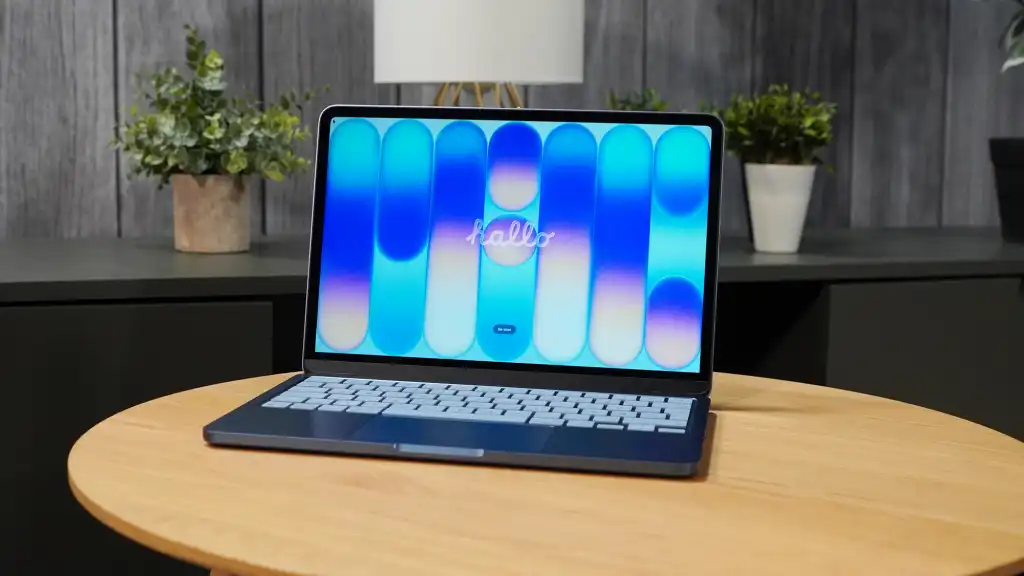
Table of Contents
The Battle for the Entry-Level Premium Laptop
For years, the sub-$700 laptop market was a wasteland of plastic chassis and sluggish performance. Apple disrupted this ceiling with the MacBook Neo, a $599 machine that prioritizes the visceral experience—aluminum builds, high-density displays, and the efficiency of recycled iPhone silicon. It didn’t just provide a cheap computer; it provided a premium experience at a budget price point.
Dell’s response arrived at Computex: a new $699 XPS 13. On paper, Dell isn’t just matching Apple; they are attempting to out-spec them. The new XPS 13 weighs in at a lean 2.2 pounds and claims a 17-hour battery life. More importantly, it integrates an OLED display and a backlit keyboard, offering a hardware value proposition that slightly edges out the Neo for an extra $100.
However, hardware specifications only tell half the story. The real tension lies in how these machines handle the actual labor of computing.
The Memory Management Divide
The most contentious spec on both the MacBook Neo and the new XPS 13 is the 8GB of RAM. In the current era of memory-hungry browser tabs and background AI processes, 8GB is often viewed as the bare minimum. Yet, the MacBook Neo manages to feel fluid even under heavy loads. This is largely due to the synergy between Apple’s silicon and macOS, which handles memory allocation and app switching with a level of efficiency that Windows has historically struggled to replicate.
Testing by industry analysts, including reports from Macworld, suggests the Neo can handle 4K video editing and dozens of open browser tabs without significant stuttering. This “headroom” allows a budget device to punch well above its weight class, making it feel like a pro machine for the average user.
The Dell XPS 13, powered by the new Intel Wildcat Lake processor, faces a steeper climb. While the hardware is undoubtedly capable, it must run Windows 11—an operating system that has faced years of criticism for bloat and inefficient memory handling. For many power users, 8GB of RAM on a Windows machine is a non-starter, often leading to systemic slowdowns once the user moves beyond basic web browsing.
The Software Optimization Gap
Microsoft is acutely aware of this disparity. CEO Satya Nadella recently acknowledged that the industry suffered from a lack of software optimization during the prime PC era, noting that developers often relied on the promise of faster future processors rather than refining their code. This legacy of inefficiency is precisely what makes the MacBook Neo’s streamlined experience so potent.
Microsoft’s roadmap for 2026 focuses heavily on reducing this bloat and improving the reliability of Windows 11. If these software optimizations materialize, the XPS 13 could become a formidable competitor. But until the OS can match the lean memory footprint of macOS, the XPS 13 may suffer from a “hardware-software mismatch,” where a premium chassis is hindered by a cumbersome operating system.
For the casual user—someone checking emails, streaming media, and light browsing—the XPS 13 will likely be a revelation in budget Windows hardware. But for those pushing their devices to the limit, the gap between a machine that is “fast on paper” and one that “feels fast in practice” remains a significant divide.