Dell Targets Students with Aggressive Pricing for New XPS 13 Refresh
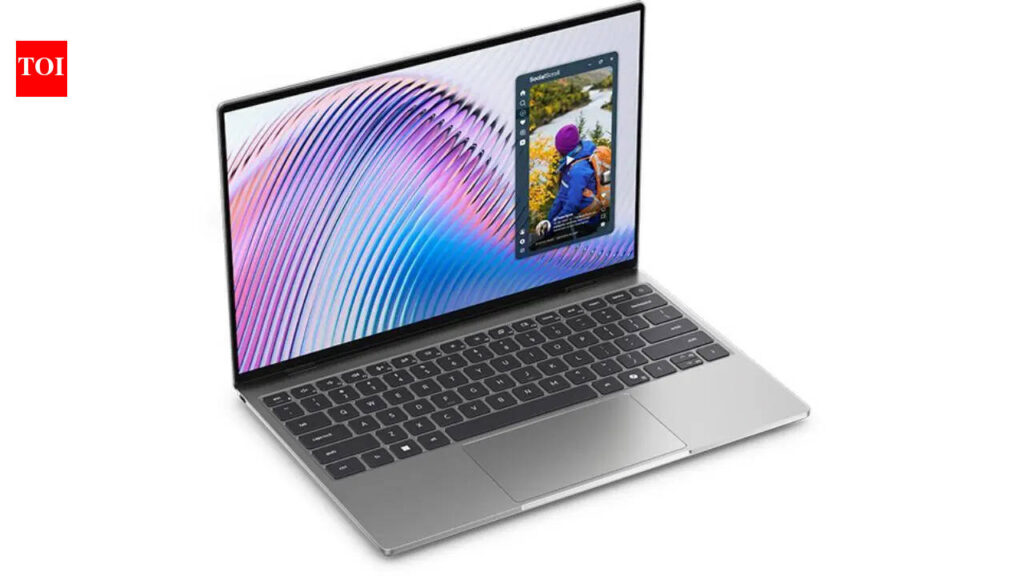
Table of Contents
A Strategic Pivot in Premium Pricing
Dell is making a calculated play for the campus market. While the XPS line has long been positioned as the luxury flagship of the Windows ecosystem—often competing on price and prestige with Apple’s MacBook Air—the company has introduced a new pricing tier for the XPS 13 that starts at an unexpectedly low $599 for verified students.
This isn’t just a seasonal sale; it’s a direct assault on the budget-to-midrange segment. For years, students have been forced to choose between the build quality of the XPS and the affordability of the Inspiron series. By bringing the XPS 13’s CNC-machined aluminum chassis and edge-to-edge InfinityEdge display down to a sub-$600 entry point for students, Dell is attempting to capture a demographic that typically gravitates toward the M2 or M3 MacBook Air for its longevity and resale value.
Hardware Trade-offs and Configuration
The $599 entry price naturally comes with caveats. While Dell hasn’t detailed every specific SKU for this promotional pricing, industry precedent suggests this base model likely pairs an Intel Core i5 or the newer Core Ultra series (depending on the specific regional refresh) with 8GB of RAM and a 256GB SSD. For basic academic work—writing papers, streaming, and light multitasking—this is sufficient, though power users in STEM or design fields will likely find themselves upgrading to the higher-tier configurations.
The core appeal remains the form factor. The XPS 13 continues to be one of the most portable 13-inch laptops on the market, featuring a minimal bezel and a keyboard that, while occasionally polarizing due to its seamless touch-function row, remains a benchmark for laptop aesthetics. The inclusion of Thunderbolt 4 ports ensures that students can easily expand their storage or connect to external monitors in a dorm setting, a critical advantage over more restrictive budget laptops.
The ‘MacBook Air’ Problem
Dell is fighting a psychological battle here. Apple has spent a decade cementing the MacBook Air as the default ‘college laptop.’ However, the move to a $599 starting point creates a massive price gap that Apple rarely matches without resorting to refurbished units or specific education bundles.
By lowering the barrier to entry for the XPS 13, Dell is leveraging the current trend of AI-integrated hardware. With the rollout of Copilot+ PC features and the integration of Neural Processing Units (NPUs) in newer Intel chips, Dell is positioning the XPS not just as a tool for writing essays, but as an AI-native workstation. If Dell can prove that the Windows AI experience is more versatile for a student’s workflow than macOS, the pricing may be the final nudge needed to switch platforms.
Comparison of Entry-Level Student Options
| Feature | Dell XPS 13 (Student) | MacBook Air (Base) | Budget Chromebooks |
|---|---|---|---|
| Starting Price | $599 (Edu) | ~$999 (Retail) | $299 – $499 |
| Build Material | Aluminum | Aluminum | Plastic/Composite |
| OS | Windows 11 | macOS | ChromeOS |
| Display | InfinityEdge | Liquid Retina | Standard LED |
Market Implications
This aggressive pricing strategy suggests that Dell is prioritizing market share over immediate margins in the education sector. By getting students into the XPS ecosystem now, Dell creates brand loyalty that persists into the professional world, where these same users will eventually purchase high-end Precision workstations or Latitude business laptops.
Whether this will trigger a price war among other OEMs like HP (with its Spectre line) or Lenovo (with the Yoga series) remains to be seen. For now, the $599 price tag transforms the XPS 13 from an aspirational luxury item into a viable, high-performance tool for the average student.


