Dell Slashes XPS 13 Entry Price for Students as ChromeOS and Windows AI PCs Clash
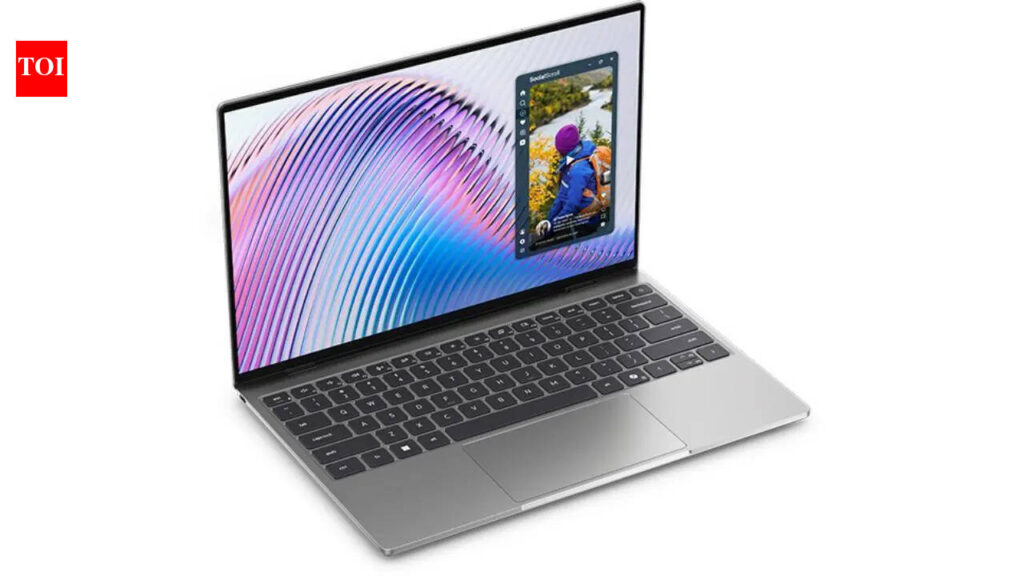
Table of Contents
A calculated gamble on the campus market
Dell is making a aggressive play for the education sector, introducing a redesigned pricing tier for the XPS 13 that brings the entry-level cost down to $599 for verified students. While the XPS line has long been positioned as a premium, professional-grade alternative to the MacBook Air, this price drop represents a significant pivot in strategy. By undercutting the typical mid-range laptop market, Dell is attempting to capture a demographic that has historically leaned toward budget-friendly Chromebooks or the more affordable Inspiron series.
The $599 starting point is not just a discount; it is a direct challenge to the dominance of Google’s ChromeOS in classrooms. For years, the ‘student laptop’ category was defined by low-cost, cloud-reliant hardware. However, with the rise of local AI processing and the demand for more robust software for STEM and creative arts, Dell is betting that students will trade a few hundred dollars for a machine that can actually handle heavy workloads without relying on a browser tab.
The hardware trade-off
It is important to note that the $599 price point applies to the base configuration. To hit this number, Dell has leaned into more modest specifications—likely utilizing the lower end of the Intel Core Ultra series or potentially integrating the newer ARM-based chips to maintain battery efficiency at a lower cost. For the average student writing essays and streaming media, these specs are more than sufficient. But for those looking for the full ‘XPS experience,’ the price climbs quickly as you add RAM and higher-capacity SSDs.
The design remains the hallmark of the XPS 13: a CNC-machined aluminum chassis, the signature ‘InfinityEdge’ display, and a minimalist keyboard. This maintains the prestige of the brand while lowering the barrier to entry. By offering a premium-feeling device at a budget-friendly price, Dell is effectively using the education market as a funnel, hoping that today’s students will become tomorrow’s corporate XPS buyers.
The AI PC Angle
This pricing shift coincides with the industry’s frantic push toward ‘AI PCs.’ The latest XPS 13 models are designed to leverage Neural Processing Units (NPUs) to handle tasks like background blur in video calls, noise cancellation, and local LLM (Large Language Model) execution without draining the battery.
While most students may not yet be using Copilot+ features for their daily homework, providing the hardware capability now ensures the device isn’t obsolete in two years. Competitors like HP and Lenovo have introduced similar student discounts, but Dell’s integration of high-end aesthetics with a sub-$600 entry point is a Rare move for a line that usually refuses to budge on price.
How the base model stacks up
For students weighing their options, the $599 XPS 13 offers a distinct advantage in portability and build quality over the plastic-heavy budget laptops found at big-box retailers. However, the limitation remains the port selection—relying almost exclusively on USB-C—which may require students to invest in additional dongles for older peripherals, slightly offsetting the initial savings.
The offer is available through Dell’s education store, requiring verification through services like SheerID to confirm enrollment status. As the academic year approaches, this move puts immense pressure on both Apple and Google to respond with more competitive pricing for their respective student-centric hardware.