Defense Tech and Physical AI Take Center Stage at StrictlyVC Los Angeles
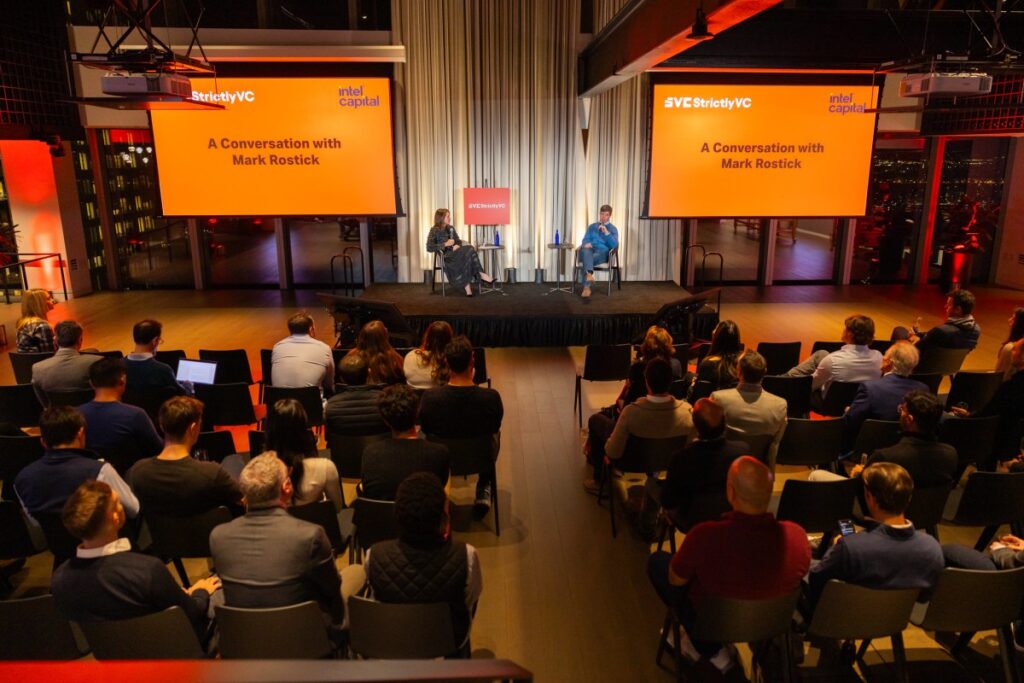
Table of Contents
A Convergence of Hard Tech and Venture Capital
The intersection of national security and venture capital is shifting from a niche interest to a primary driver of the current tech cycle. This trend will be the focal point of the upcoming StrictlyVC Los Angeles event on June 18, hosted at the high-security environment of The Aerospace Corporation Campus in El Segundo. The gathering comes at a time when the “software-only” era of the 2010s is being superseded by a renewed appetite for hard tech—companies that build tangible, physical products to solve systemic problems in infrastructure and defense.
Unlike the sprawling nature of typical tech conferences, StrictlyVC focuses on a curated environment designed for direct access between the people deploying the capital and those building the hardware. The selection of El Segundo as the venue is intentional; the city has evolved into a concentrated hub for the “New Space” economy and defense startups, acting as a bridge between traditional government contracting and the agile pace of Silicon Valley.
Redefining the Defense Industrial Base
One of the evening’s primary anchors will be Ethan Thornton, the founder of Mach Industries. Thornton’s session, “Built for a New Era of Defense Technology,” aims to dissect the friction points inherent in building a high-growth company within the rigid constraints of the defense sector. The conversation is expected to center on how autonomy and advanced manufacturing can bypass the traditional, decades-long procurement cycles that have historically slowed the integration of new technology into national security frameworks.
The rise of companies like Mach Industries signals a broader movement toward a decentralized defense industrial base. By leveraging commercial AI and rapid prototyping, these firms are challenging the dominance of legacy primes, promising a more iterative and responsive approach to military hardware.
The Pivot Toward ‘Physical AI’
While the last two years have been dominated by Large Language Models (LLMs) and generative software, the focus is now shifting toward the application of intelligence in the physical world. This transition will be explored through a discussion between Delian Asparouhov of Founders Fund and Saif Khawaja of Shinkei Systems.
The duo will tackle the concept of “Physical AI”—the integration of sophisticated AI agents into robotics and automated systems. For investors like Asparouhov, the opportunity lies in moving beyond the screen. The objective is to determine how robotics can scale beyond controlled factory environments and into the unpredictable reality of the open world. This shift requires a different capital structure than traditional SaaS, demanding more patience and a higher tolerance for the physical risks associated with hardware iteration.
Sifting Through the AI Hype Cycle
As the initial euphoria over generative AI settles, venture capitalists are now tasked with identifying which companies possess actual durability versus those riding a temporary wave of hype. Carter Reum, co-founder and partner at M13, will lead a session titled “Finding the Next Big Thing,” focusing on the evolution of investment strategies in the AI era.
Reum’s analysis will likely focus on the shift from “wrapper” companies—those that simply provide a thin interface over existing models like GPT-4—to companies that own their data moat or provide critical infrastructure. As the cost of compute fluctuates and model capabilities plateau or leapfrog, the definition of a “defensible business” is being rewritten in real-time.
The event serves as a bellwether for the broader venture landscape in Southern California, highlighting a pivot away from consumer apps and toward the heavy-lift industries of robotics, aerospace, and national security.