Cyber-Kinetic Escalation: Iran Targets US Infrastructure in Bahrain, Jordan, and Kuwait Following Southern Strikes
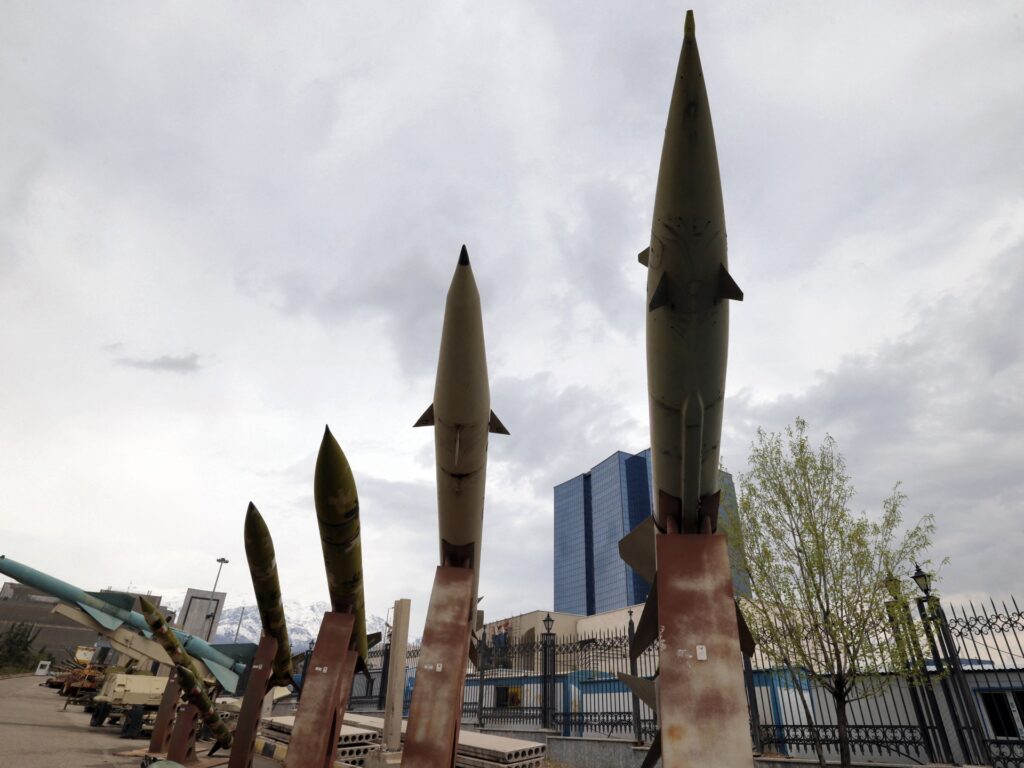
Table of Contents
A Coordinated Surge Across the Gulf
The strategic landscape of the Middle East shifted abruptly this week as Iran launched a series of targeted attacks against US forces stationed in Bahrain, Jordan, and Kuwait. These maneuvers come as a direct response to recent US strikes in southern regions, marking a dangerous transition from diplomatic friction to active kinetic engagement.
While the immediate physical impact is being assessed, the precision of these strikes suggests a sophisticated integration of guidance systems and intelligence gathering. According to reports from the region, the attacks were not isolated incidents but a synchronized effort to pressure US military presence across multiple sovereign borders simultaneously. In Bahrain and Kuwait, the focus appeared to be on logistical hubs and communication arrays, while the operation in Jordan took a more aerial-centric approach.
Intercepting the Threat in Jordan
One of the most visible displays of the escalating tech war occurred in Jordan, where the Royal Jordanian Air Force, supported by US-integrated defense systems, successfully intercepted Iranian missiles. Video footage circulating from the region shows a series of mid-air detonations, indicative of the use of advanced interceptor missiles designed to neutralize high-velocity threats before they reach their targets.
This interception highlights the critical role of the Integrated Air and Missile Defense (IAMD) networks. These systems rely on a complex web of radar synchronization and real-time data sharing between allies to identify, track, and engage incoming projectiles. The ability to neutralize these missiles in flight underscores the current technological gap in precision delivery versus defensive interception, though the sheer volume of the Iranian barrage suggests a strategy of saturation designed to overwhelm these very sensors.
The Maritime Front: Yemen and Beyond
The volatility extends beyond land-based installations. The UK Maritime Trade Operations (UKMTO) reported a violent exchange of fire between a cargo vessel and armed craft southwest of Yemen. While seemingly a separate skirmish, the timing aligns with the broader regional destabilization, reflecting a broader pattern of Iranian-aligned proxies targeting commercial and military shipping lanes to exert economic pressure on the West.
Diplomatic Friction and High-Stakes Communication
Amidst the smoke of missile launches, the diplomatic machinery is working in overdrive. Iranian Foreign Minister Abbas Araghchi has been in urgent contact with counterparts in Saudi Arabia and Turkey. These conversations are likely focused on preventing a total regional collapse and managing the narrative of the strikes to avoid an all-out conventional war.
Analysts suggest that these reciprocal clashes are a form of ‘violent signaling.’ By striking US forces in three different countries, Tehran is demonstrating its ability to penetrate various layers of regional security. However, there is a lingering question as to whether these actions will derail ongoing, behind-the-scenes negotiations between Washington and Tehran. Historically, the two nations have maintained a thin thread of communication even during peak hostilities, though the current level of aggression tests the limits of that stability.
The Technological Implications of the Conflict
From a technical perspective, the conflict is serving as a live-fire testing ground for electronic warfare (EW) and drone integration. The use of missiles over Jordan and the naval skirmishes in Yemen point toward a shift in Iranian doctrine: moving away from asymmetric guerrilla warfare toward more structured, precision-guided operations.
For the US and its allies, the priority remains the hardening of critical infrastructure and the refinement of automated response systems. As the conflict evolves, the reliance on AI-driven threat detection will likely increase to counter the speed and variety of the incoming munitions. The current situation underscores a precarious reality where a single technical failure in a missile’s guidance system—or a misinterpretation by a radar operator—could trigger a full-scale escalation.


