Cuba’s Energy Grid Collapses as Oil and Diesel Supplies Run Dry
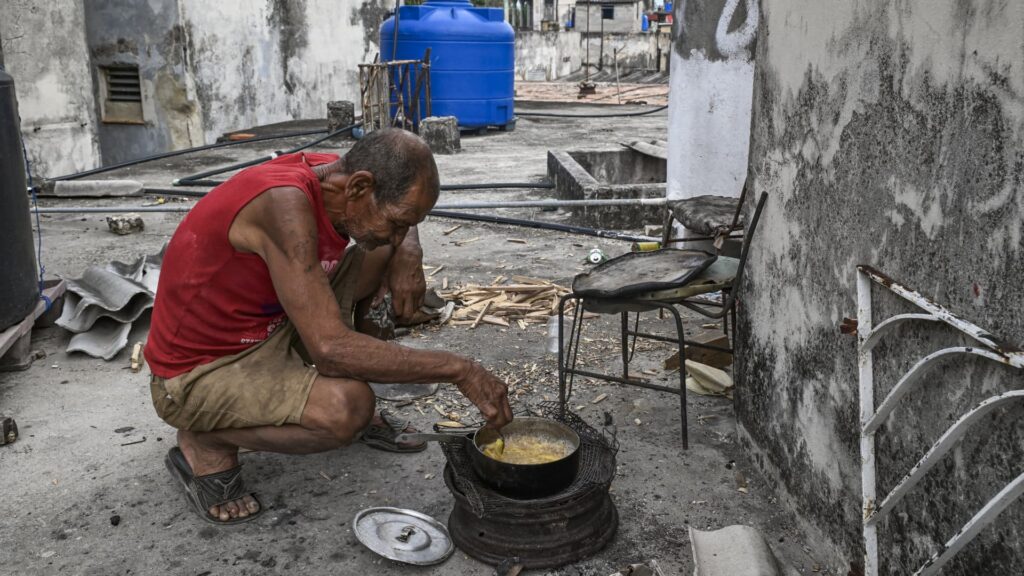
Table of Contents
Cuba’s Energy Grid Collapses as Oil and Diesel Supplies Run Dry
Cuba has officially run out of critical oil and diesel reserves, according to a stark admission from the nation’s Energy Minister on Wednesday. The collapse of the fuel supply chain has pushed the island nation into a dire energy emergency, leaving the national power grid in a state of near-total failure.
The crisis is the culmination of a tightening U.S. blockade and the severance of historical energy ties with Venezuela. For millions of residents, this translates to a daily reality of darkness and systemic instability, as the government struggles to find an immediate alternative to its vanished fossil fuel imports.
- Current Status: Zero reserves of crude oil and diesel reported.
- Impact: Blackouts lasting up to 22 hours daily in Havana.
- Cause: US sanctions and loss of Venezuelan oil shipments.
- Response: US offers $100 million in aid contingent on political reforms.
The Scale of the Fuel Exhaustion
Cuban Energy Minister Vicente de la O Levy delivered a sobering update via state media, confirming that the country’s strategic reserves have been completely depleted. According to Levy, the current situation is “extremely tense,” with the nation possessing absolutely no crude oil or diesel to power its generators.
The only remaining energy source is gas extracted from domestic wells, where production has seen a slight increase. However, this meager output is nowhere near sufficient to sustain the industrial and residential needs of the country, leading to a critical state for the national grid.
The Breakdown of the Power Grid
The impact of this shortage is most visible in the capital city of Havana. Residents are reporting blackouts that stretch for up to 22 hours a day. This is not merely an inconvenience but a systemic failure affecting water pumping stations, healthcare facilities, and food refrigeration.
The instability has sparked civil unrest. Reports from Reuters indicate that hundreds of citizens took to the streets on Wednesday evening, blocking roads with garbage and shouting “turn on the lights” in a desperate plea for basic utility restoration.
Geopolitical Shifts and the Venezuelan Connection
For years, Cuba relied heavily on subsidized oil shipments from Venezuela to keep its economy afloat. This lifeline was effectively severed in early January following U.S.-led military operations aimed at removing Venezuelan President Nicolás Maduro from power.
With the Venezuelan supply chain broken and the U.S. blockade preventing the import of oil from other global markets, Cuba found itself in a strategic dead-end. The U.S. administration has characterized the Cuban government as an “unusual and extraordinary threat,” maintaining a hardline stance on sanctions despite the escalating humanitarian disaster.
| Energy Source | Previous Status | Current Status |
|---|---|---|
| Venezuelan Oil | Primary Energy Source | Severed / Non-existent |
| Diesel Reserves | Strategic Stockpile | Completely Depleted |
| Domestic Gas | Secondary Source | Only Active Source |
Why This Matters: The Humanitarian and Political Stakes
This crisis highlights the extreme vulnerability of nations dependent on single-source energy imports. The collapse of the energy grid triggers a domino effect: without diesel, transport stops; without transport, food distribution fails; without power, sanitation and health services deteriorate.
From a geopolitical perspective, the situation creates a high-stakes leverage game. The U.S. State Department has offered $100 million in aid, but it comes with a caveat: Washington continues to seek “meaningful reforms” to Cuba’s communist system. This places the Cuban regime in a precarious position—accepting aid may be seen as a surrender to U.S. political demands, while refusing it leaves the population in darkness.
Industry analysts suggest that this event may serve as a catalyst for renewable energy transitions in isolated regions, although the immediate need for fuel makes long-term infrastructure projects a secondary concern for the Cuban government.
What Happens Next
The immediate future of Cuba’s energy stability depends on the outcome of potential diplomatic talks. Donald Trump recently indicated on Truth Social that talks between the U.S. and Cuba would happen, stating, “Cuba is asking for help, and we are going to talk.”
However, the timeline for these discussions remains unclear. Until a diplomatic breakthrough occurs or an alternative fuel source is secured, the Cuban national grid is expected to remain in a critical state. Experts predict that if the blackout cycles continue to worsen, the scale of urban unrest in Havana could expand to other provinces, further destabilizing the regime.
Source: Official statements from the Cuban Ministry of Energy, US State Department, and reports from BBC, Reuters, and The Guardian.