Colorful Targets Enthusiast Market in India with iGame B850M ULTRA-S and ULTRA-OC Motherboards
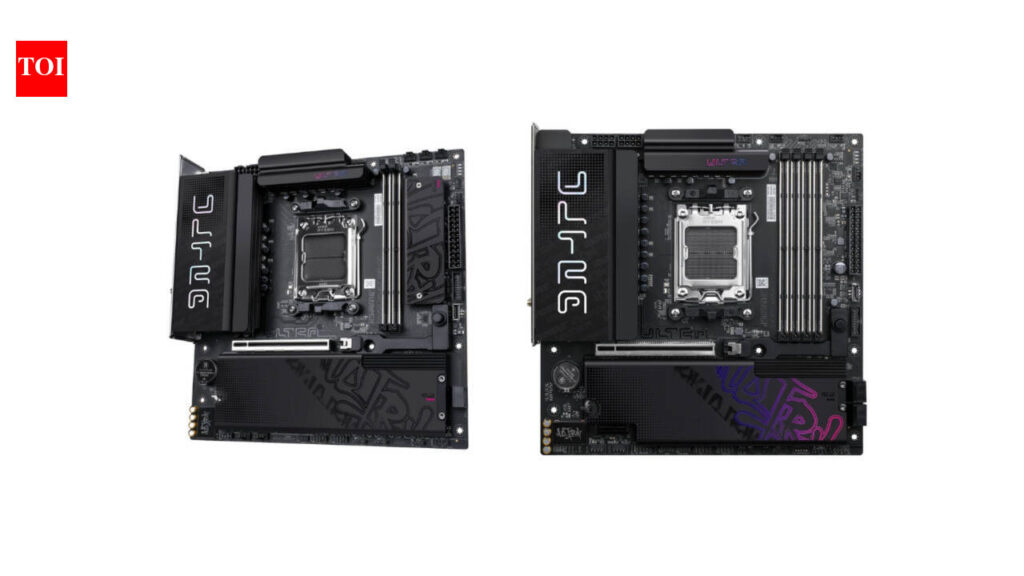
Table of Contents
A Strategic Push into the Indian DIY Market
Colorful is making a concerted effort to penetrate the Indian enthusiast PC market with the official launch of its iGame B850M ULTRA-S and ULTRA-OC motherboards. While the brand has long been respected in the global GPU space for its eccentric aesthetics and aggressive pricing, its motherboard presence in India has historically been niche. By targeting the Micro-ATX form factor and the AMD ecosystem, Colorful is positioning itself to capture the mid-to-high-end gaming demographic that prioritizes value without sacrificing cutting-edge connectivity.
The arrival of these boards coincides with a broader industry shift toward the B850 chipset, which serves as the pragmatic middle ground for users who want the features of a high-end X-series board—such as PCIe 5.0—without the premium price tag associated with extreme overclocking platforms.
Breaking Down the ULTRA-S: Stability and Scale
The iGame B850M ULTRA-S is designed as the foundational workhorse of the duo. Its primary appeal lies in its balance of power delivery and storage expandability. In a market where gamers are increasingly moving toward high-capacity NVMe arrays, the ULTRA-S leans heavily into PCIe 5.0 support, ensuring that the next generation of Gen5 SSDs can operate at full rated speeds without throttling.
Power delivery is a critical focal point for the ULTRA-S. Colorful has implemented a robust VRM (Voltage Regulator Module) configuration designed to handle the power spikes associated with high-core-count Ryzen CPUs. This makes it a viable candidate for users running productivity workloads alongside gaming, where sustained voltage stability is more critical than peak overclocking records. The inclusion of DDR5 support is standard, but the ULTRA-S is optimized for high-frequency modules, catering to the current trend of 6000MT/s+ memory kits becoming the baseline for AMD systems.
The ULTRA-OC: Built for the Margin
Where the ULTRA-S focuses on reliability, the ULTRA-OC is explicitly tuned for the performance chasers. The most immediate differentiator is the network stack; the ULTRA-OC features 5Gb Ethernet, a significant jump over the standard 2.5Gb found on most B-series boards. This is a clear nod to the growing adoption of multi-gigabit home networking and NAS (Network Attached Storage) setups among power users in India’s urban tech hubs.
The “OC” moniker isn’t just marketing. The board features an enhanced power phase design and more aggressive thermal dissipation for the VRMs, allowing enthusiasts to push their Ryzen processors further. When paired with DDR5, the ULTRA-OC is designed to maintain stability even as users tweak timings and voltages to squeeze out extra frames in CPU-bound titles.
Common Ground: Wi-Fi 7 and Future-Proofing
Both the ULTRA-S and ULTRA-OC integrate Wi-Fi 7, a feature that is rapidly becoming the new battleground for motherboard manufacturers. While Wi-Fi 7 routers are not yet ubiquitous in Indian households, providing this hardware now prevents the board from becoming obsolete within two years. The use of the 6GHz band and wider channels means that as users upgrade their networking gear, they will see significantly lower latency and higher throughput, which is critical for cloud gaming and large-scale game downloads.
Market Context and Competitive Positioning
Colorful is entering a crowded field. In India, ASUS, MSI, and Gigabyte have long dominated the B-series landscape with their respective ROG, Tomahawk, and Aorus lines. To compete, Colorful is relying on the “iGame” branding—which emphasizes a specific, bold aesthetic—and a hardware spec sheet that often undercuts the big three on price while offering equivalent or superior connectivity (like the 5Gb LAN on the ULTRA-OC).
The move to bring these specific B850 models to India suggests a shift in Colorful’s strategy: moving away from being seen merely as a GPU vendor and attempting to establish a full-platform presence. For the consumer, this means more competition and potentially better value-per-feature ratios in the Micro-ATX segment.


