Clockwork Revolution: Can a ‘Butterfly Effect’ Mechanic Save the First-Person RPG?
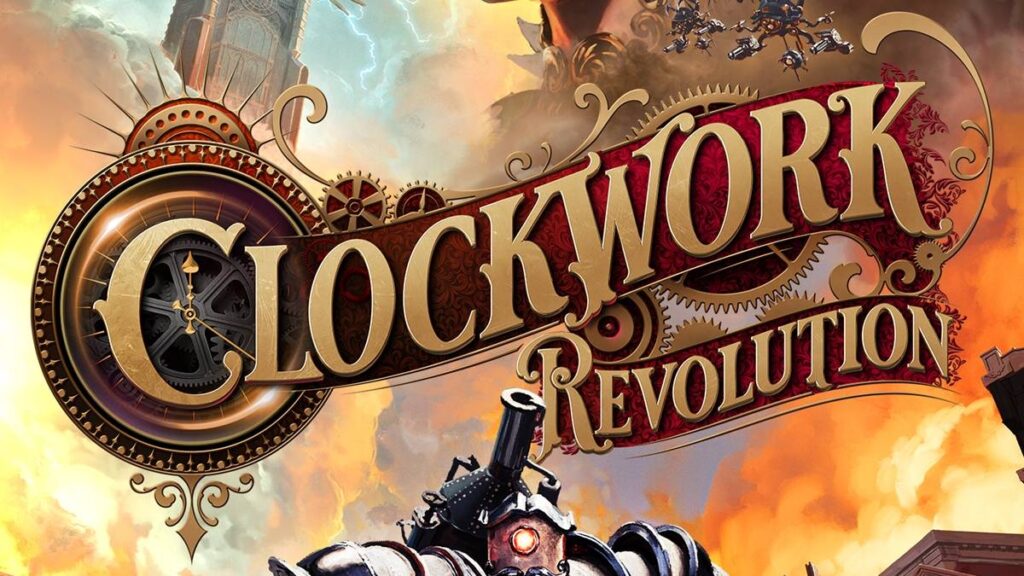
Table of Contents
Beyond the Steam: The Ambition of Avalon
The first-person RPG has long been haunted by the ghost of the ‘immersive sim’—games like Deus Ex and System Shock that promised player agency but often struggled with the technical limitations of their era. Enter Clockwork Revolution, a title that isn’t just leaning into the aesthetic of steampunk, but attempting to weaponize time itself as a core gameplay pillar.
Set in the sprawling metropolis of Avalon, the game avoids the typical ‘chosen one’ trope in favor of a more mechanical curiosity. The plot centers on the discovery of a device capable of transporting the player into the past. However, unlike many time-travel narratives that use the past as a static flashback or a separate level, Clockwork Revolution treats the timeline as a living canvas. The central conceit is the “butterfly effect”: a change made in a historical moment doesn’t just alter a dialogue tree; it physically reshapes the city of Avalon in the present.
The Mechanics of Temporal Alteration
From a technical standpoint, the game’s challenge lies in state-tracking. For a world to react in “unprecedented ways,” the developers must track a vast array of variables across different time periods. If a player prevents a specific building from being demolished in the past, that building—and the NPCs associated with it—must exist in the present, potentially opening new quest paths or closing old ones.
This approach suggests a move away from the rigid branching paths seen in traditional RPGs toward a more systemic design. Rather than a set of A/B choices, the game appears to be experimenting with causal chains. This puts Clockwork Revolution in a precarious but exciting position, attempting to deliver a level of reactivity that usually only exists in the most complex CRPGs, but within a high-fidelity first-person environment.
Aesthetic vs. Utility
Steampunk often falls into the trap of being mere window dressing—brass gears and goggles without purpose. In Avalon, the steam-powered technology seems tightly integrated with the city’s verticality and its social stratification. The environment isn’t just a backdrop; it is a puzzle. The integration of first-person combat and exploration with the time-bending device suggests a gameplay loop where the player must constantly oscillate between fighting through a problem and traveling back to remove the problem entirely.
Early glimpses of the game’s character creation have already sparked community discussion, specifically echoing the idiosyncratic, sometimes surreal nature of The Elder Scrolls‘ character sliders. This indicates a development philosophy that doesn’t take itself too seriously, even while attempting a high-concept narrative.
The Risk of the ‘Infinite’ Choice
The primary risk for Clockwork Revolution is the “scope creep” associated with meaningful choice. When a game promises that the world will change based on your interactions, the player’s expectation for detail increases exponentially. If the “butterfly effect” is merely cosmetic, the narrative weight collapses. However, if the developers can successfully map a few high-impact temporal nodes to significant structural changes in Avalon, they may define a new standard for narrative agency in the genre.
As the industry moves toward more procedural and AI-driven world-building, Clockwork Revolution represents a more curated, handcrafted approach to reactivity. It is a gamble on the idea that players still crave a world that feels thoughtfully constructed, even if that construction is designed to be torn down and rebuilt by the player’s own hand.