Carl Pei’s Direct Challenge to Apple: Can Nothing Actually Disrupt the iPhone Ecosystem?
Table of Contents
The Boldest Gamble in Modern Smartphones
Carl Pei doesn’t do subtle. The Nothing co-founder and CEO recently took to Instagram with an 18-second clip that served as a digital glove thrown at the feet of Apple Inc. “My name is Carl. I make phones in London. I’m gonna steal your customers. One bored iPhone user at a time,” Pei stated. While the tone is provocative, the sentiment reveals a calculated strategy: targeting the psychological fatigue of the modern smartphone consumer.
- Target Demographic: Nothing is specifically targeting “bored” iPhone users who find current iOS hardware iterative and uninspiring.
- Ecosystem Play: Carl Pei is moving beyond standalone devices to build a tightly integrated hardware and software environment.
- Design as a Moat: The company is leveraging transparent aesthetics and the Glyph Interface to differentiate itself from the “black slab” era of smartphones.
- Market Positioning: Nothing positions itself as the “middle way” between the fragmented Android experience and the restrictive Apple walled garden.
Decoding the ‘Boredom’ Factor in the iPhone Cycle
To understand why Carl Pei is targeting “bored” users, one has to look at the current state of Apple’s hardware trajectory. For the last several generations, the iPhone’s design language has remained remarkably consistent. While the silicon (A-series chips) remains industry-leading, the physical experience—the glass, the aluminum, the notch/Dynamic Island—has reached a plateau of incrementalism.
Industry data suggests a growing segment of “power users” and “digital minimalists” who feel the smartphone has become a utility rather than a tool for discovery. By labeling the target as “bored,” Pei isn’t attacking Apple’s stability or performance; he is attacking its lack of novelty. This is a classic disruption move: when the market leader optimizes for reliability and scale, they often leave a vacuum for excitement and experimental design.
The Nothing Strategy: Design as a Feature, Not an Aesthetic
Nothing’s approach to challenging Apple isn’t just about transparency; it’s about redefining the interaction between the user and the device. The Glyph Interface—the array of LEDs on the back of Nothing phones—is a direct attempt to reduce screen time while maintaining connectivity. By allowing users to see who is calling or check the status of an Uber without unlocking their phone, Nothing is tackling the “attention economy” in a way Apple’s “Focus Mode” only does via software.
This is a critical distinction. Apple solves distractions by hiding notifications; Nothing attempts to solve them by moving the notification to a non-intrusive, tactile light pattern. This is a hardware-level solution to a software-driven psychological problem.
The Technical Challenge of the Walled Garden
Winning over an iPhone user is not simply a matter of having a cooler-looking phone. The “Apple Ecosystem” is a complex web of iMessage, iCloud, Apple Watch synchronization, and AirDrop. For a user to switch, the switching cost must be lower than the perceived value of the new device.
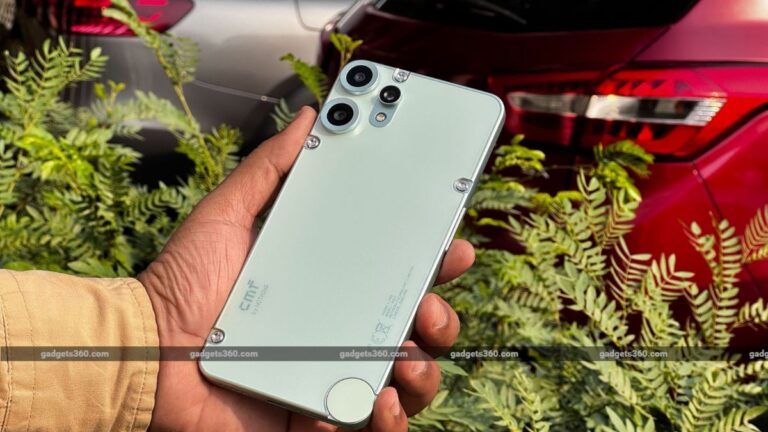
Carl Pei is attempting to lower this barrier by building his own ecosystem. From the Ear (1) and Ear (2) buds to the CMF by Nothing sub-brand, the company is creating a cohesive design language. However, the real battle is in software. Nothing OS is a lean skin over Android, but to truly rival Apple, it must provide a level of seamlessness that makes the transition from iOS feel painless rather than like a technical chore.
What This Means for the Smartphone Market
If Carl Pei’s strategy succeeds, it signals a shift in consumer behavior where industrial design once again becomes a primary driver for upgrades, rather than just camera megapixels or processor speeds. For the broader industry, this puts pressure on other Android OEMs like Samsung and Xiaomi to move beyond “spec wars” and start innovating on the physical form factor.
For the consumer, this competition is a net positive. Apple’s monopoly on “premium minimalism” is being challenged. When a startup can force a giant to reconsider its design philosophy, the end user usually wins through more diverse options and faster innovation.
The Execution Risk: Can a Startup Scale the Wall?
Despite the bravado, Nothing faces immense headwinds. Apple’s vertical integration is unmatched; they design the chip, the OS, and the hardware in a closed loop. Nothing relies on Qualcomm for chips and Google for the Android foundation. This means Nothing can only innovate on the experience layer, not the core architecture.
Furthermore, the “bored iPhone user” is a niche. While enthusiasts love the Glyph lights, the mass market prioritizes battery life and ecosystem reliability. To move from a niche enthusiast brand to a legitimate Apple rival, Nothing will need to prove that its design is more than just a “gimmick” and that it offers a tangible productivity or wellness benefit over the iPhone.
Comparing the Ecosystem Philosophies
| Feature | Apple Ecosystem | Nothing Ecosystem |
|---|---|---|
| Philosophy | Closed, Integrated, Seamless | Open, Experimental, Transparent |
| Primary Value | Reliability & Status | Aesthetics & Novelty |
| User Control | Curated Experience | Customizable/Android-based |
| Hardware Loop | Deeply Intertwined (Watch, Mac, iPad) | Emerging (Buds, Phone, CMF products) |
The Role of Carl Pei as the ‘Anti-CEO’
It is impossible to separate Nothing from the persona of Carl Pei. Having previously co-founded OnePlus, Pei knows how to build a community before he builds a product. His strategy is built on transparency—not just in the plastic of the phones, but in the company’s communication. By directly challenging Apple on social media, he positions Nothing as the underdog, the disruptor, and the voice of the frustrated user.
This marketing play is designed to create an emotional connection. Buying a Nothing phone isn’t just about the specs; it’s about joining a movement that rejects the sterile, corporate uniformity of the modern tech landscape. This is the same playbook used by early Tesla or early Apple—creating a brand that represents a specific identity.
Frequently Asked Questions
Is Nothing actually a competitor to Apple?
In terms of market share, no. In terms of design philosophy and brand positioning, yes. Nothing targets the same high-end demographic but offers an alternative to the iOS experience.
Why do people switch from iPhone to Nothing?
Most users switch for the unique aesthetic, the desire for a more open OS (Android), or the appeal of the Glyph Interface’s unique notification system.
Can Nothing’s ecosystem match Apple’s?
Not in the short term. Apple’s integration across Mac, iPad, and Watch is a decade-long project. Nothing is currently building the foundation with audio and phones.
What is the ‘Glyph Interface’?
It is a series of LED strips on the back of Nothing phones that provide visual notifications, timers, and charging indicators without requiring the user to look at the screen.
Is Nothing’s software better than iOS?
It’s a matter of preference. Nothing OS is based on Android, offering more customization and flexibility, whereas iOS focuses on stability, security, and a curated user experience.
The Final Verdict on the Disruptor’s Path
Carl Pei’s claim that he will steal iPhone customers “one bored user at a time” is less of a business projection and more of a mission statement. To succeed, Nothing must move beyond being a “design company that makes phones” and become a “technology company that innovates experience.” If they can bridge the gap between aesthetic novelty and ecosystem utility, they may not replace Apple, but they will certainly carve out a permanent space for the rebels of the smartphone world. The battle isn’t about who has the best chip—it’s about who can make the smartphone feel exciting again.