Call of Duty: Modern Warfare 4 Pivots to Korean Peninsula Conflict in High-Stakes Narrative Reset
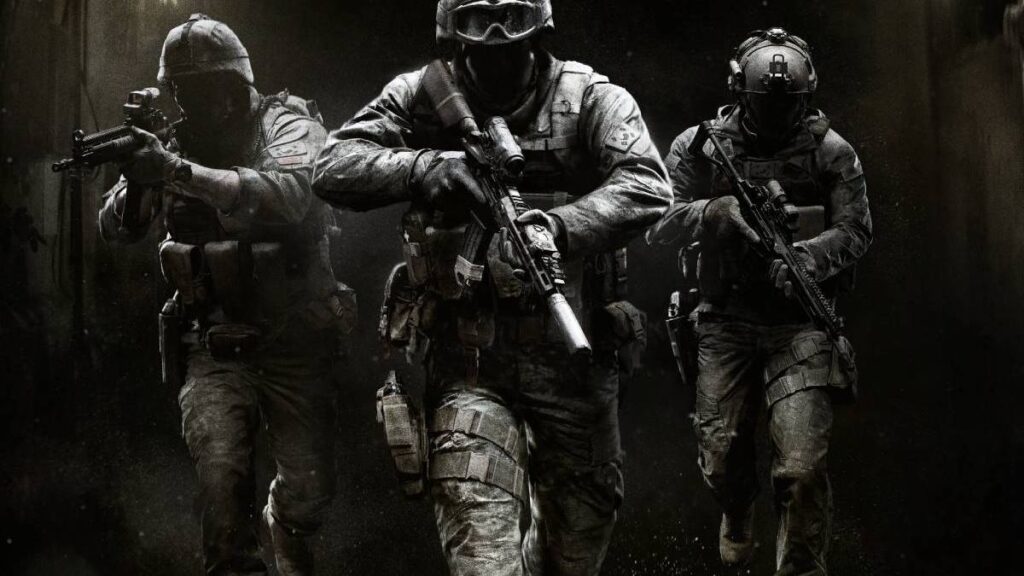
Table of Contents
A Shift Toward Geopolitical Tension
Activision is doubling down on the ‘gritty realism’ ethos of the reboot era with the unveiling of Call of Duty: Modern Warfare 4. While previous entries in the series have danced around global instability, the latest installment anchors its narrative in a specific, high-tension flashpoint: the Korean Peninsula. The campaign centers on a full-scale invasion by North Korea, a plot choice that pushes the series’ storytelling into more volatile territory than the previous titles in the modern cycle.
The story follows two parallel threads. One focuses on a squad of inexperienced South Korean soldiers struggling to maintain a collapsing front line, offering a perspective of desperation and raw survival. Simultaneously, the narrative brings back the franchise’s most enduring figure, Captain Price. However, this isn’t the coordinated SAS operation of previous games; Price is depicted as a rogue agent, waging a personal, ‘off-books’ war from the shadows while being hunted by the very entities orchestrating the invasion.
From Mumbai to New York: Expanding the Combat Map
The scale of the campaign suggests a global escalation that mirrors the ‘world war’ feeling of the original Modern Warfare trilogy. Players will move between vastly different combat environments, ranging from the claustrophobic brutality of trench warfare in Korea to high-intensity urban combat in New York City. The editorial direction of the missions appears to lean heavily into atmospheric variety, including SAS night raids in Mumbai and high-speed chases through the streets of Paris.
Technically, the game is designed to leverage the hardware of the PlayStation 5 and Xbox Series X, but the most curious detail is the inclusion of the Nintendo Switch 2. While Activision has historically struggled to bring full-fidelity Call of Duty experiences to Nintendo’s handhelds, the move signals a significant leap in the capabilities of Nintendo’s unannounced next-generation hardware. Early reports suggest the Switch 2 version may face some compromises in fidelity, but it represents a strategic push to capture a broader segment of the console market.
Refining the Multiplayer and DMZ Ecosystem
Beyond the narrative, Modern Warfare 4 aims to tighten the loop on its multiplayer experience. The focus is on ‘grounded’ combat, which in developer terms usually means a reduction in the ‘slide-cancel’ chaos of recent years in favor of precise movement and tactical positioning. The goal appears to be a return to a more deliberate pace where player choice and spatial control dictate the outcome of an engagement rather than pure twitch reflexes.
The DMZ mode, which evolved from the Warzone experience, returns with a heavier emphasis on high-stakes extraction. Acting as ‘off-the-books’ assets, players must infiltrate contested territories to secure objectives. The tension here is built around the ‘extraction’ mechanic—forcing players to weigh the value of additional loot against the risk of losing everything upon a failed exit. This design choice aligns with the broader industry trend toward extraction shooters, as seen in the rise of titles like Escape from Tarkov.
The Pressure of Expectations
Despite the ambition, the road to launch hasn’t been entirely smooth. Recent reports indicate that the game has already broken several internal pre-order records, yet the community remains skeptical regarding Skill-Based Matchmaking (SBMM). Studio heads have recently promised a new level of transparency regarding how players are paired, a move aimed at calming a vocal fanbase that feels the current systems prioritize engagement metrics over fair play.
With a launch window that puts the game in players’ hands in four months, the industry is watching to see if the narrative gamble on the Korean conflict resonates or if the series needs a fundamental structural shift to maintain its dominance in the FPS market.