Border War Escalation: Pakistan Air Strikes in Afghanistan Leave 13 Dead, Including 11 Children
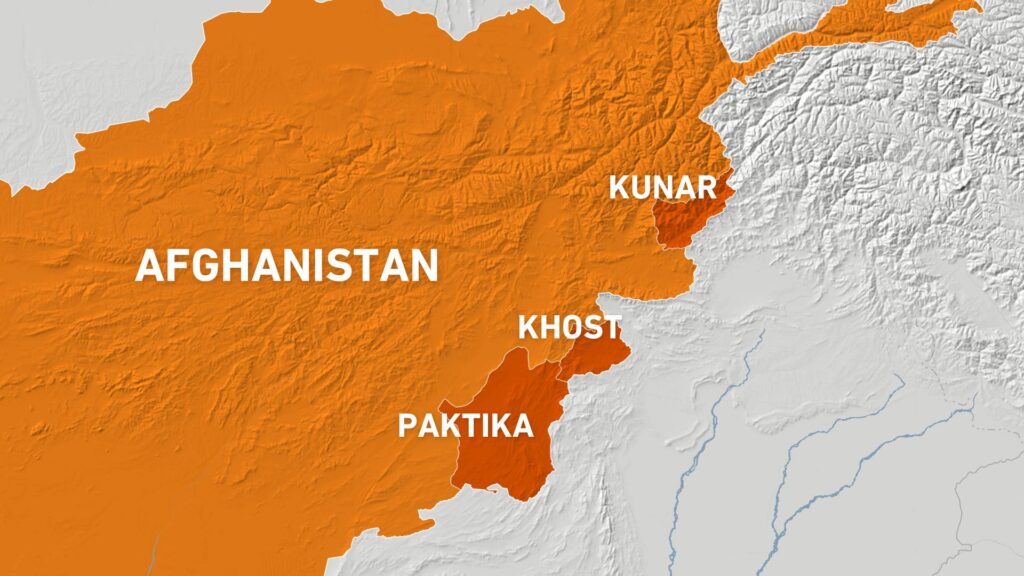
Table of Contents
Casualties Mount in Border Provinces
The fragile security landscape along the Afghanistan-Pakistan border has deteriorated sharply following a series of Pakistani air strikes that Afghan officials claim killed at least 13 people. The attacks, which occurred late Tuesday, primarily targeted residential areas in the provinces of Kunar, Khost, and Paktika, marking the deadliest escalation in several weeks.
Zabihullah Mujahid, the chief spokesman for the Taliban-led government in Kabul, issued a scathing condemnation of the raids via X (formerly Twitter), describing the strikes as a “humanitarian crime and act of aggression.” According to Mujahid, the death toll includes 11 children, one woman, and an elderly man, with an additional 14 women and children reported wounded. The heavy toll among non-combatants has reignited tensions between the two neighboring states, which have struggled to maintain a semblance of stability since the Taliban’s return to power in 2021.
Targeted Strikes and Local Impact
Reporting from the ground suggests a pattern of precision strikes on domestic structures. In Khost province, an official confirmed to AFP that a single house in the Spera district was hit, resulting in nine deaths and 10 injuries. Simultaneously, in the Barmal district of Paktika province, residents reported a separate strike on a home that killed three children. The concentrated nature of these casualties indicates that the strikes hit residential zones, though Pakistan’s military has yet to issue a formal comment on the specifics of these operations.
Historically, Islamabad has justified such incursions by stating it is targeting hideouts of the Tehrik-i-Taliban Pakistan (TTP), a militant group that operates from Afghan soil to launch attacks within Pakistan. The timing of these air raids appears directly linked to a recent security breach in northwestern Pakistan’s Khyber Pakhtunkhwa province.
The TTP Trigger and the Cycle of Violence
Just 24 hours before the air raids, suspected TTP fighters launched an assault on a security post in the Hasan Khel area. The resulting gun battle left six members of the Federal Constabulary—a Pakistani paramilitary force—dead and several others wounded, according to the Pakistan Ministry of Interior. This sequence of events underscores a recurring cycle: TTP strikes inside Pakistan followed by retaliatory kinetic operations by the Pakistani military inside Afghanistan.
The relationship between Kabul and Islamabad remains profoundly fraught. While Pakistan maintains that the Taliban government is harboring TTP militants, Afghan officials categorically deny these charges, countering that Pakistan itself supports hostile groups aimed at destabilizing the Afghan state. This mutual distrust has effectively neutralized diplomatic efforts to secure the border.
A Collapsed Ceasefire and Rising Human Cost
The current violence follows the collapse of a tenuous ceasefire agreement reached in March 2026. The deal disintegrated shortly after its implementation as both sides accused the other of systemic violations. The humanitarian cost of this failure is stark; UN data released in May revealed that cross-border fighting claimed the lives of at least 372 Afghan civilians and injured 397 others in the first quarter of 2026 alone.
As the Taliban government intensifies its rhetoric against these “acts of aggression,” the prospect of further retaliatory cross-border attacks remains high. The volatility of the region suggests that without a third-party mediator or a fundamental shift in the TTP’s operational base, the border provinces will continue to serve as a violent flashpoint for both nations.