Bodycam Footage of Dying Student Handcuffed Sparks Outrage and IOPC Probe into Hampshire Police
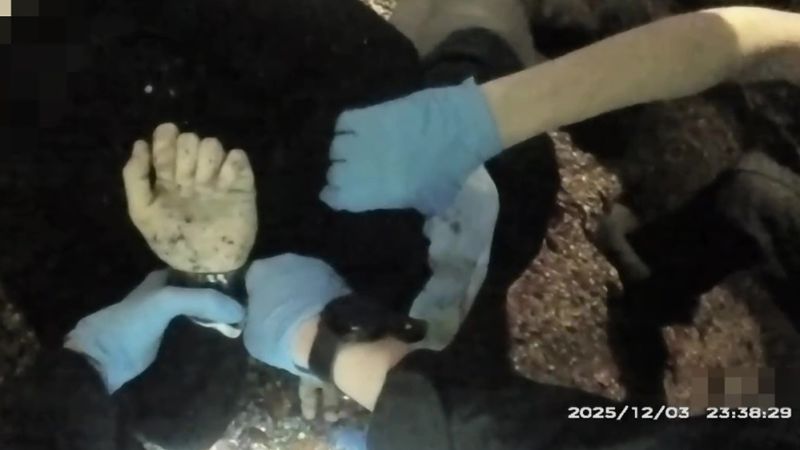
Table of Contents
A Fatal Miscalculation in Southampton
The release of harrowing body-worn camera footage has ignited a firestorm of criticism against Hampshire Police, following the death of 18-year-old student Henry Nowak. The footage captures the final moments of Nowak, who was handcuffed by responding officers while lying on a Southampton street, suffering from catastrophic stab wounds.
The incident, which occurred in December of last year, has transitioned from a criminal homicide case into a broader debate regarding police impartiality, the reliability of witness testimony under pressure, and the role of bodycam transparency in modern policing. In the clip, Nowak is heard explicitly stating, “I’ve been stabbed” and “I can’t breathe.” The response from the attending officer, captured clearly on audio, was a dismissive, “I don’t think you have mate,” shortly before the student was restrained.
The Deception and the Weapon
The catalyst for the police’s initial reaction was a series of falsehoods told by the perpetrator, 23-year-old Vickrum Digwa. On Monday, Digwa was sentenced to life in prison after it was revealed he had lied to responding officers, claiming that Nowak had assaulted him in a racist attack. Digwa further attempted to justify his possession of the weapon by citing exemptions for Sikhs to carry ceremonial daggers, a legal nuance that complicated the immediate scene assessment.
The disparity between the officers’ perception of the scene—fueled by Digwa’s claims—and the physical reality of Nowak’s condition has led to accusations of systemic failure. Once officers realized the severity of Nowak’s injuries, they removed the handcuffs and initiated CPR, but these efforts were too late. Nowak died shortly thereafter.
Institutional Fallout and Regulatory Scrutiny
The Independent Office for Police Conduct (IOPC) has now launched a formal investigation into the incident. Police Commissioner Donna Jones stated that the specifics of the response raise “serious concerns about police impartiality, fairness and judgement.” The investigation aims to determine why a critically injured person was handcuffed and why the officer ignored explicit pleas for help.
The political fallout has been swift. Cabinet Office minister Nick Thomas-Symonds described the footage as “harrowing” and labeled the conduct of the officers at the scene as “shocking.” Meanwhile, the case has been weaponized by political figures like Nigel Farage, who argued that the fear of being labeled racist outweighed the urgency of saving a white British citizen’s life, drawing a pointed and controversial parallel to the 2020 killing of George Floyd in the United States.
Societal Tension and Family Plea
The intersection of race, policing, and justice has led to volatility on the ground. On Tuesday evening, protests near the site of the murder devolved into violence, with reports of flares, cans, and chairs being thrown at riot police. Judge William Mousley acknowledged during the sentencing that the case had significantly stirred racial tensions across Britain.
Despite the escalating public anger, Nowak’s family has urged restraint. While describing the police treatment of their son as “inhumane and degrading,” his father issued a statement requesting that Henry’s death not be used as a tool to foster further division, hatred, or social tension.
Hampshire Police has issued a formal apology, but the IOPC investigation remains the primary mechanism for determining whether the officers involved will face disciplinary action or criminal charges for negligence.