Blue Origin’s New Glenn Suffers Catastrophic Static Fire Explosion in Florida
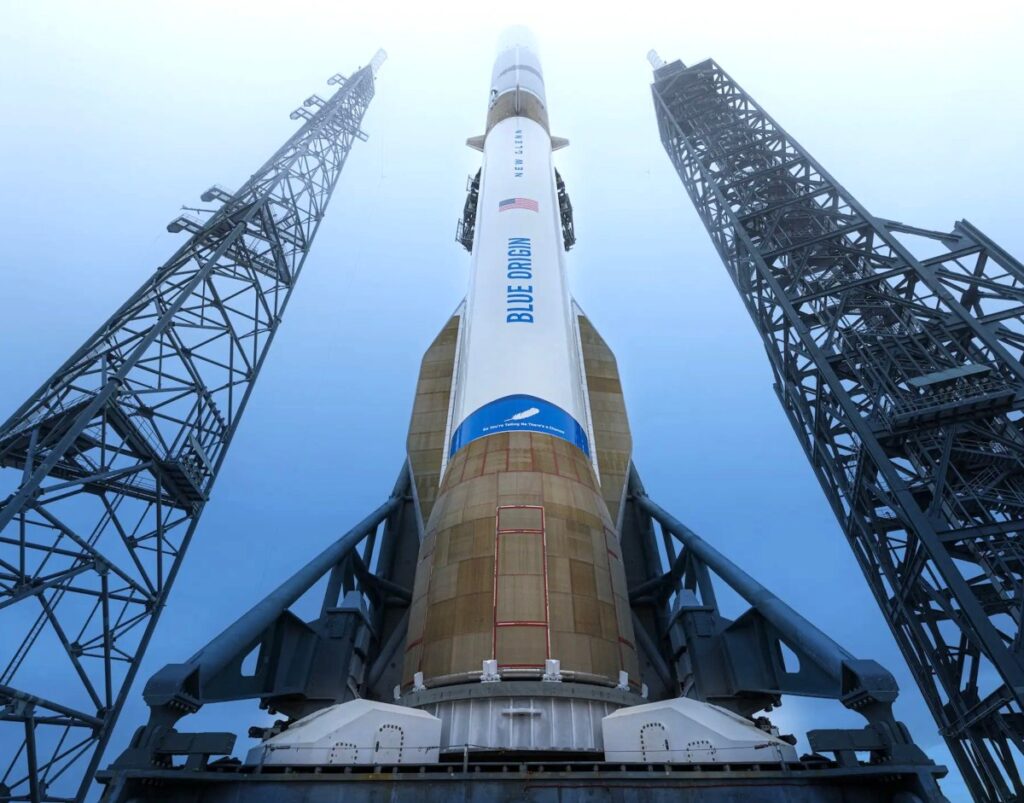
Table of Contents
A Setback for Bezos’ Heavy-Lift Ambitions
Blue Origin’s New Glenn rocket suffered a catastrophic failure on Thursday during a static fire test at its Cape Canaveral launch site, resulting in one of the largest rocket explosions in recent U.S. history. The incident, captured in real-time by livestreams from NASASpaceFlight.com and SpaceFlight Now, occurred while the vehicle was bolted to the ground—a procedure designed to verify engine performance before actual flight. However, the scale of the blast suggests a failure that likely compromised the primary structure of the vehicle.
The explosion comes at a precarious moment for Jeff Bezos’ aerospace company. Blue Origin was preparing for a highly anticipated fourth launch in the coming weeks, a mission intended to deploy Amazon’s Leo internet satellites. While Amazon confirmed to reporters that no satellites were on board during this specific test, the loss of a flight-ready rocket creates a massive hole in the company’s immediate manifest.
In a statement posted to X, Blue Origin confirmed that all personnel have been accounted for. Bezos himself echoed this sentiment, describing the event as a “very rough day” and stating that the company would “rebuild whatever needs rebuilding.” He avoided specifics on the cause, referring to the event simply as an “anomaly.”
Cascading Failures and the Pressure of Competition
This disaster follows a pattern of volatility for the New Glenn program. Just weeks ago, the rocket’s third mission ended in partial failure when a cryogenic issue in the upper stage prevented an AST SpaceMobile satellite from reaching its intended orbit. Though the booster successfully landed on a drone ship—proving the viability of the company’s refurbishment cycle—the loss of the payload was a significant blow to Blue Origin’s reliability record.
For years, Blue Origin operated in the shadow of SpaceX, focusing on the sub-orbital New Shepard tourist flights while the massive New Glenn remained a work-in-progress. When New Glenn finally debuted in January 2025, it showed promise, reaching orbit on its first attempt. By November 2025, the program hit a high point, successfully launching NASA spacecraft toward Mars and achieving its first booster landing. The April 2026 mission further validated this by re-flying a refurbished booster.
However, the leap from successful hardware tests to a reliable commercial cadence is proving difficult. Blue Origin had aimed for as many as 12 launches this year to establish itself as a viable alternative to the Falcon 9 and Starship. This explosion effectively pauses that momentum, forcing an investigation that could sideline the program for months.
The Ripple Effect: NASA and the Pentagon
The implications of the New Glenn failure extend beyond Amazon’s satellite ambitions. Blue Origin is a critical partner in NASA’s Artemis program, which aims to return humans to the lunar surface. NASA Administrator Jared Isaacman confirmed that the agency will work with Blue Origin to investigate the anomaly and assess the impact on near-term mission timelines. The Artemis lunar base programs depend on the heavy-lift capabilities New Glenn was designed to provide.
Simultaneously, the U.S. Space Force and the Pentagon have viewed New Glenn as a necessary addition to the national security launch portfolio to avoid a SpaceX monopoly. This explosion may lead to a re-evaluation of the rocket’s readiness for sensitive government payloads.
The Federal Aviation Administration (FAA) stated that the explosion had no impact on local air traffic, but a formal investigation will likely be required before Blue Origin can resume static fires or attempt another launch. As Elon Musk noted on X shortly after the blast, “Rockets are hard.” For Blue Origin, the challenge is no longer just building a rocket that works, but building a system that is consistently reliable enough to sustain the infrastructure of the modern internet and deep-space exploration.


