Blue Origin’s New Glenn Explodes During Static Fire Test, Threatening Amazon Leo Timeline
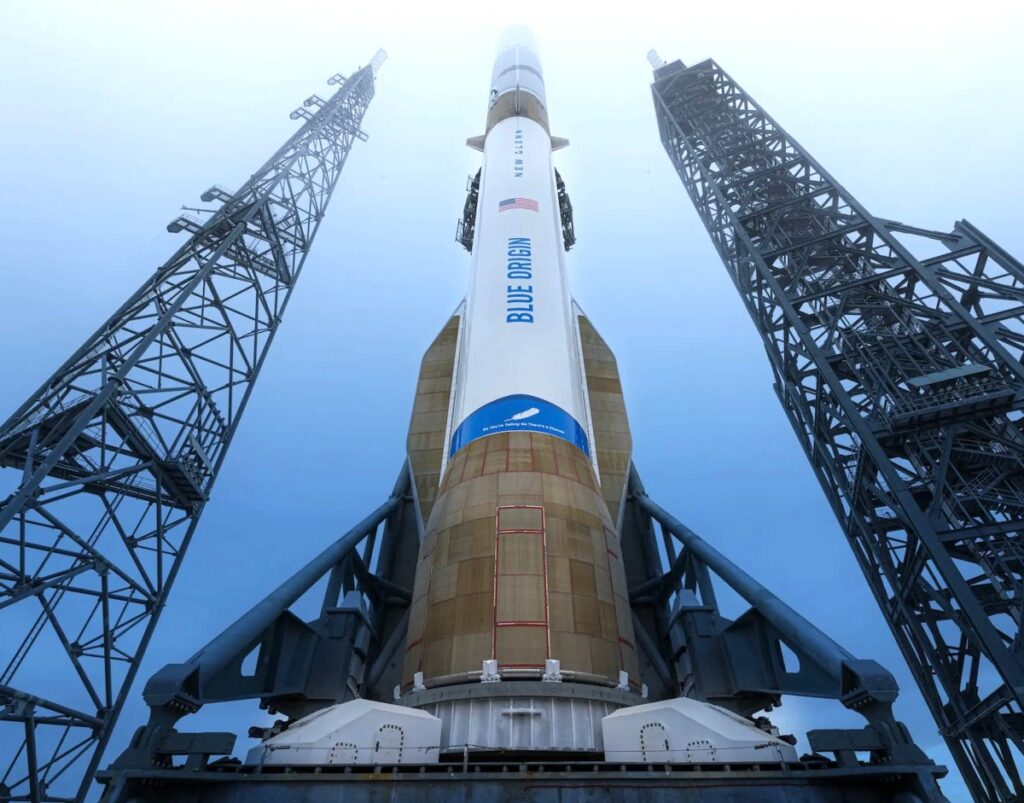
Table of Contents
A Catastrophic Setback at Cape Canaveral
Blue Origin’s ambitions for orbital dominance suffered a severe blow Thursday when the New Glenn mega-rocket exploded during a static fire test at its launch facility in Cape Canaveral, Florida. The blast, captured on livestreams by NASASpaceFlight.com and SpaceFlight Now, marks one of the most significant hardware failures in the company’s history and a precarious moment for Jeff Bezos’ venture into heavy-lift rocketry.
The test was intended to be a final validation before the rocket’s fourth flight, a mission slated to begin deploying Amazon’s Project Kuiper-competing “Leo” internet satellites. Because static fire tests typically involve fueling the vehicle to simulate flight conditions, the resulting explosion was massive, underscoring the volatility of the liquid oxygen and methane propellant used by New Glenn.
In a rare public admission of a “rough day,” Jeff Bezos stated via X that while the company is working to identify the root cause of the “anomaly,” the priority remains recovery. “We’ll rebuild whatever needs rebuilding and get back to flying,” Bezos wrote. The company confirmed that all personnel were accounted for and safe following the incident.
The High Stakes of Orbital Reliability
This failure is particularly stinging given the timing. Just last week, the Federal Aviation Administration (FAA) had cleared New Glenn to return to flight after an investigation into the third mission’s failure. That previous flight, while successful in boosting its first stage, ended in a cryogenic failure of the upper stage, resulting in the total loss of an AST SpaceMobile satellite.
For Blue Origin, the New Glenn program is more than just a technical achievement; it is the centerpiece of a multi-billion dollar commercial strategy. The rocket is contracted for at least 24 launches by Amazon to build out the Leo satellite constellation. While Amazon confirmed to reporters that no satellites were on board during this specific test, the loss of the flight vehicle pushes the timeline for the entire internet network further into the future.
The explosion also casts a shadow over Blue Origin’s role in the NASA Artemis program. As a key partner in providing lunar landing capabilities, any prolonged grounding of the New Glenn fleet could ripple through NASA’s timeline for returning humans to the moon. NASA Administrator Jared Isaacman noted that the agency would support a thorough investigation to assess the “near-term mission impacts.”
The Struggle for SpaceX Parity
For over a decade, Blue Origin has operated in the shadow of SpaceX, focusing on the sub-orbital New Shepard tourist flights while the massive New Glenn remained in development. The company finally broke into the orbital market in January 2025, showing early promise by reaching orbit and eventually successfully landing and reusing its first-stage booster—a critical requirement for cost-competitiveness in the modern space race.
However, the transition from “successful orbit” to “reliable cadence” has proven difficult. While SpaceX handles launches with routine frequency, Blue Origin is still grappling with the fundamental instability of heavy-lift orbital flight. Even Elon Musk weighed in on the failure, posting a brief “Rockets are hard” comment on X, a nod to the brutal learning curve of aerospace engineering.
The FAA reported that the explosion had no impact on air traffic, and local officials, including Congressman Mike Haridopolos, have praised the rapid response of first responders on the Space Coast. Now, the company faces a grueling forensic analysis to determine if the failure was a systemic design flaw or a localized component malfunction. If the former, the pause on the New Glenn program could extend from weeks into months, leaving Amazon and NASA waiting for a ride to space.