Blue Origin Sets Aggressive Return-to-Flight Timeline After New Glenn Pad Explosion
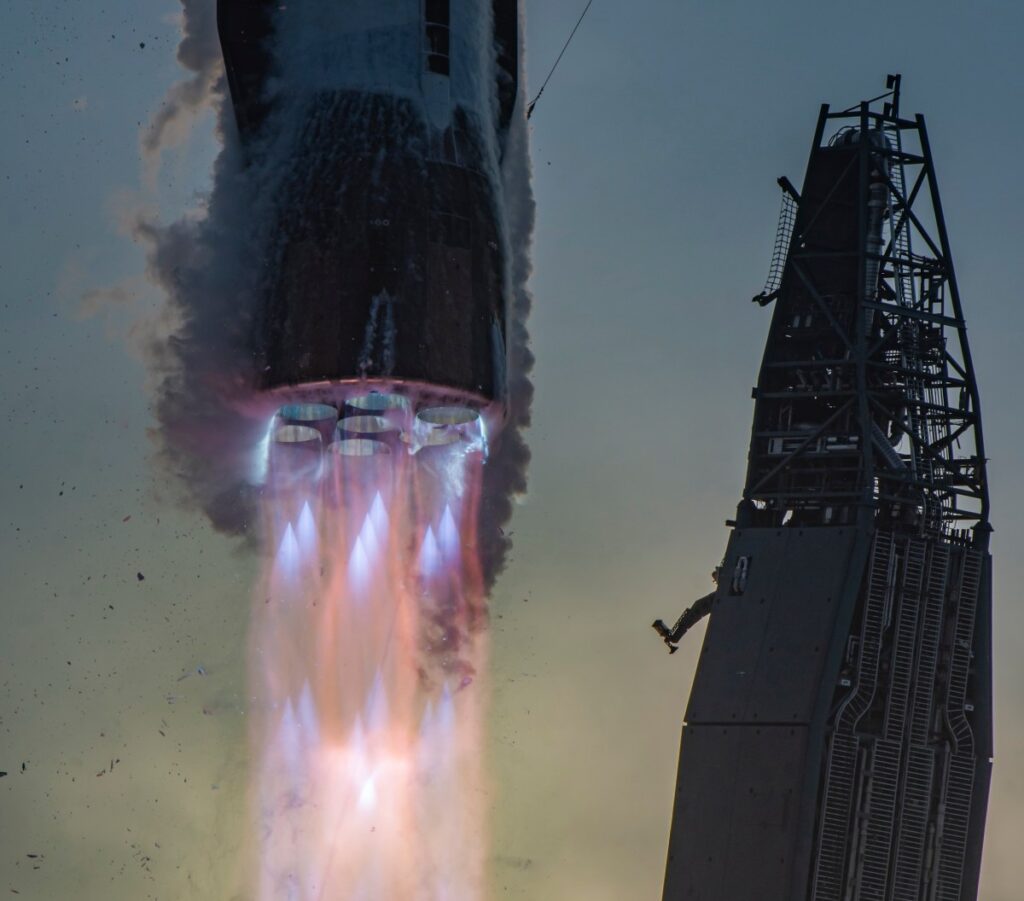
Table of Contents
Recovery efforts accelerate at Cape Canaveral
Blue Origin is pushing for a surprisingly rapid return to flight following a catastrophic explosion at its Florida launch site. CEO Dave Limp confirmed Monday that the company intends to launch the New Glenn rocket again before the end of this year, a timeline that defies industry expectations given the scale of the recent failure.
The explosion, which occurred during testing at the company’s Cape Canaveral facility, represented the most visible setback in the history of Jeff Bezos’ orbital venture. While initial reports suggested extensive damage to the launch complex, Limp indicated that a significant portion of the infrastructure remained intact. According to Limp, the assessment of the site suggests that the damage was less systemic than feared, allowing the company to maintain its 2026 window.
Crucially, Limp noted that another previously flown New Glenn booster and three upper stages currently stationed at the complex appear unaffected. This availability of flight hardware is a critical factor in the company’s ability to bypass a multi-year redesign or manufacturing delay.
The infrastructure bottleneck
The aggressiveness of this timeline is notable because Blue Origin currently operates only one launchpad capable of supporting the massive New Glenn vehicle. In the aerospace industry, a single-pad failure typically results in a prolonged grounding. For comparison, when SpaceX suffered a Falcon 9 explosion on its pad in 2016, the company was able to recover relatively quickly because it had a second pad nearing completion.
Blue Origin is currently constructing a second launchpad at Cape Canaveral, but the project is still in its early stages. This means the company is essentially betting its entire orbital schedule on the rapid refurbishment of its primary site. Until that second pad is operational, any further anomaly at the existing site could effectively freeze the New Glenn program for years.
Stakes for NASA and Amazon
The pressure to maintain this schedule isn’t just internal. NASA is heavily reliant on New Glenn for the Artemis lunar missions, positioning the rocket as a cornerstone of the U.S. effort to return humans to the moon. To prioritize these high-stakes missions, Blue Origin has already pivoted its entire operational focus toward the heavy-lift program, pausing space tourism flights on the smaller New Shepard rocket for at least two years as of January.
Beyond government contracts, the explosion delayed the deployment of a critical batch of satellites for Amazon, another Bezos-led entity. Fortunately, those payloads had not yet been integrated into the rocket, sparing the company the loss of the hardware itself, though the delay in orbit puts a timeline strain on Amazon’s broader connectivity goals.
Technical pivots and hardware changes
While the company is rushing to return to flight, it is not doing so blindly. Limp dismissed speculation that Blue Origin would jump straight to a more powerful variant of the New Glenn to make up for lost time. Instead, the company is focusing on specific operational failures.
One immediate change will be the method of transporting and erecting the rockets. The previous “transporter-erector” system, which combined the movement and uprighting of the vehicle into one process, is being replaced. While Limp did not provide specific technical details on the new solution, the move suggests that the interface between the ground equipment and the vehicle may have been a contributing factor to the anomaly.
Blue Origin has yet to release a formal root-cause analysis of the explosion. For now, the company is operating in a race against the calendar, attempting to prove that its infrastructure can be salvaged and its flight cadence restored before the 2026 window closes.