Blue Origin Eyes Aggressive Year-End Return for New Glenn Following Cape Canaveral Explosion
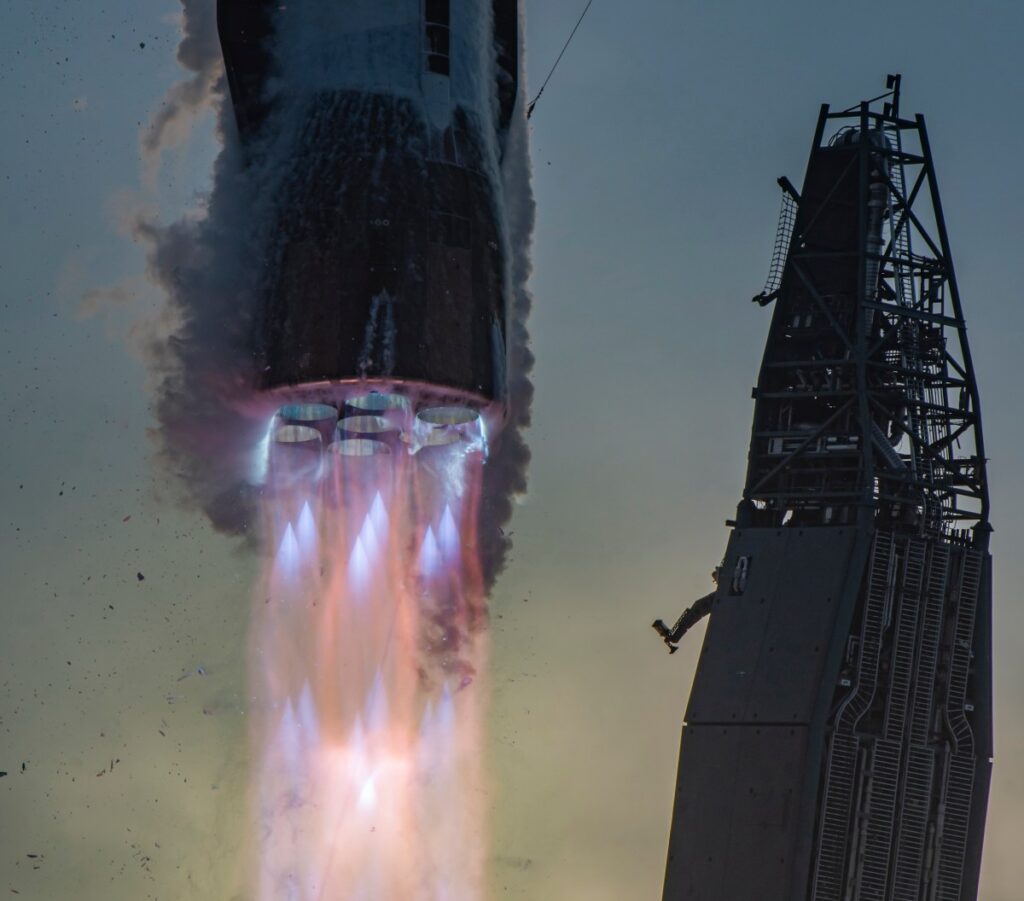
Table of Contents
Defying Industry Expectations
Blue Origin is pushing for a remarkably fast recovery. Despite a massive explosion during testing at its Cape Canaveral facility last week, CEO Dave Limp announced Monday that the company intends to return New Glenn to flight before the end of this year.
The timeline is raising eyebrows across the aerospace sector. Given the visibility and scale of the failure—the most significant in the company’s history—many industry analysts had penciled in a 2027 return. The primary concern centered on the launchpad infrastructure; Blue Origin currently relies on a single pad capable of supporting the massive New Glenn vehicle. A catastrophic event at that specific site usually implies months, if not years, of reconstruction.
However, Limp suggests the damage was less systemic than it appeared. According to Limp, much of the launchpad infrastructure remains in “good shape.” Crucially, the company confirmed that a previously flown New Glenn booster and three upper stages stationed at the complex were unaffected by the blast.
A Fragile Strategic Position
This urgency isn’t just about corporate pride; it’s about a tightening schedule with NASA. Blue Origin is a critical piece of the Artemis moon missions, and any prolonged grounding of New Glenn creates a ripple effect for lunar exploration timelines. The stakes are high enough that Jeff Bezos’ space venture has already pivoted its entire operational focus toward these heavy-lift missions, effectively pausing its New Shepard space tourism flights for at least two years since January.
The company’s recovery path looks starkly different from that of its primary rival, SpaceX. When SpaceX suffered a Falcon 9 pad explosion in 2016, it managed a quick turnaround because it had a second launch pad nearly operational. Blue Origin is currently building a second pad at Cape Canaveral, but the project is in its infancy, leaving the company with no redundancy if their primary site suffers further setbacks.
The Cost of Ambition
New Glenn’s track record has been a mix of breakthrough and instability. Its January 2025 debut saw the upper stage successfully reach orbit, though the booster exploded during its descent. A subsequent November launch proved the company’s capability to land a booster on a drone ship while delivering Mars-bound spacecraft. However, the momentum stalled in April when a failure in the upper stage resulted in the loss of a customer payload for AST SpaceMobile.
The latest explosion occurred while Blue Origin was prepping for a mission to deploy satellites for Amazon. Fortunately, those satellites had not yet been integrated into the rocket, sparing Bezos’ other company from a costly loss of hardware.
Operational Pivots
While some speculated that Blue Origin might jump straight to a more powerful variant of the New Glenn to make up for lost time, Limp explicitly ruled this out. The focus remains on stabilizing the current architecture.
One concrete change will be the logistics of moving the rocket. Blue Origin is abandoning its “transporter-erector”—a single system used to both move and stand up the rocket—in favor of a new, yet unspecified, solution. Whether this change is a direct result of the explosion or a pre-planned optimization remains unclear, but it signals a shift in how the company handles its most valuable assets on the ground.
As the company races toward a year-end launch, the industry is still waiting for a formal root-cause analysis of the explosion. Without that transparency, the aggressive timeline remains a high-stakes gamble on the resilience of their Florida infrastructure.


