Blizzard Pivots Back to Narrative Focus with ‘Reign of Talon’ and a Massive Five-Hero Drop
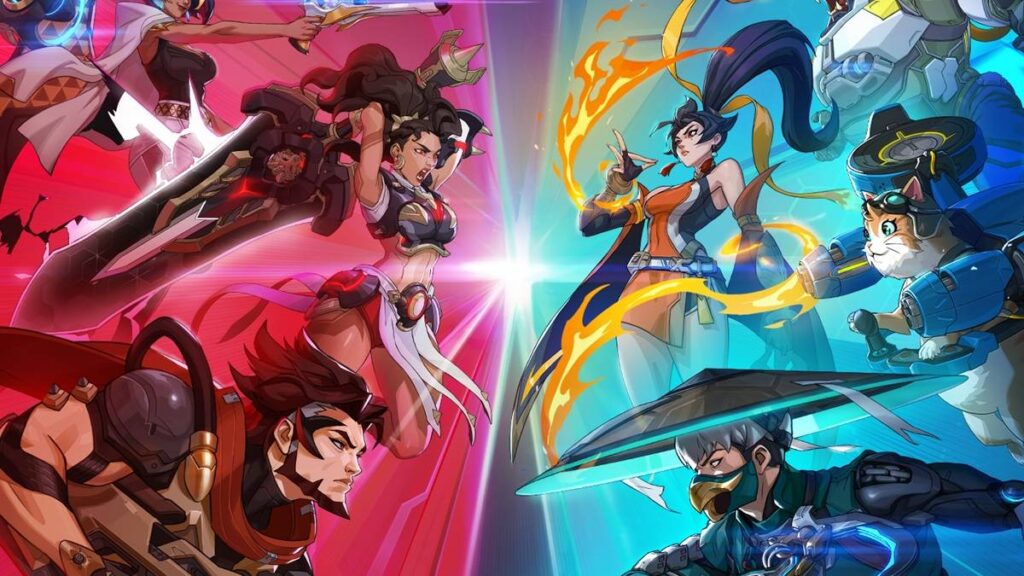
Table of Contents
A Tactical Shift in Storytelling
For years, Blizzard Entertainment has treated the lore of Overwatch as a secondary layer—fragments of a world built through cinematic shorts and flavor text while the gameplay remained strictly focused on the 5v5 arena. That approach is changing. With the launch of Reign of Talon: Conquest, the developer is pivoting toward a year-long narrative arc that attempts to weave player choices and faction-driven conflict directly into the game’s evolving world.
The initiative marks a significant departure from the seasonal cadence players have grown used to. Rather than a slow drip of content, Blizzard is kicking off 2026 by centering the experience around a clash between the titular Overwatch organization and the terrorist cell Talon. According to the latest updates, this isn’t just a thematic skin update; the event is designed as a faction-driven conflict where player outcomes will leave “visible marks” on the game world, suggesting a level of environmental storytelling and persistence that has been largely absent from the title since its inception.
The Five-Hero Shock
The most aggressive part of this update is the roster expansion. In a move that disrupts the typical hero-release cycle, Blizzard is introducing five new characters simultaneously: Jet Pack Cat, Anran, Domina, Emre, and Mizuki. Adding five heroes at once is a high-risk strategy for a balanced hero shooter, as it fundamentally alters the “meta”—the most effective team compositions—overnight.
By deploying these voices and playstyles together, Blizzard is likely attempting to jumpstart a stale competitive landscape. The introduction of these characters coincides with a broader “refresh” of the Competitive mode and core gameplay adjustments. While specific patch notes on the movement and combat feel are still being digested by the community, the goal is clear: change how the game feels across the board to prevent the stagnation that often plagues long-running live-service titles.
Contextualizing the Competition
This aggressive pivot arrives at a critical juncture. The hero shooter genre is no longer a monopoly held by Blizzard. The rise of Marvel Rivals has created a new pressure point, forcing Overwatch to move beyond simple maintenance and back into the realm of bold, disruptive updates. For a long time, Overwatch felt as though it was coasting on the strength of its legacy IP, but the introduction of a narrative-heavy, high-impact season suggests a realization that the “ever-evolving” promise of the free-to-play model requires more than just new maps and cosmetics.
The transition back to a more focused naming convention—dropping the “2” and returning to Overwatch—symbolizes more than just a branding change. It is an admission that the divide between the original vision and the current state of the game needs to be bridged. By integrating a cohesive story arc with a massive injection of new gameplay options, Blizzard is attempting to reclaim the cultural zeitgeist of the genre.
As players dive into the first chapter of the 2026 arc, the industry will be watching to see if this narrative-first approach can sustain long-term engagement or if the sudden influx of five new heroes creates a balancing nightmare that offsets the excitement of the story.


