Beyond the Gimmick: The Quiet Pivot Toward Functional Robotic Companions
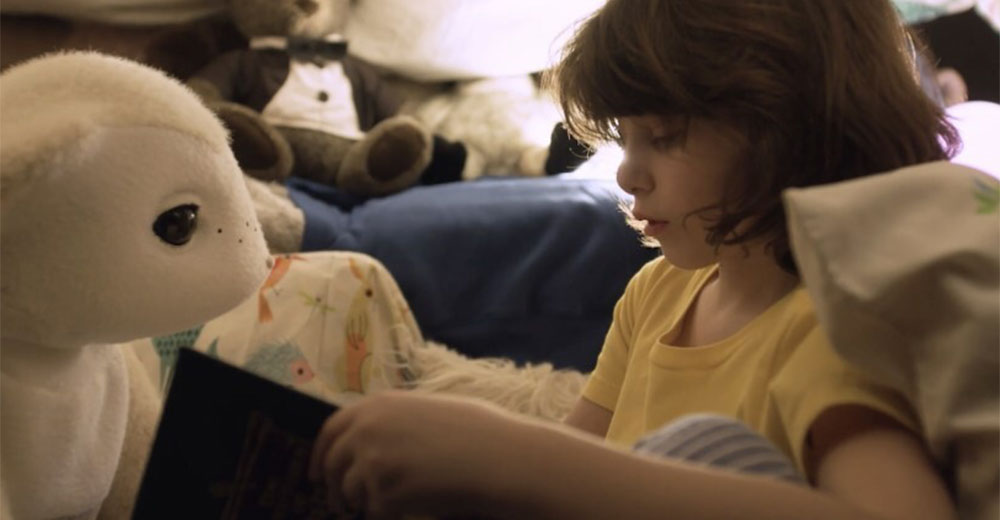
Table of Contents
The end of the ‘Aibo’ era
For two decades, the concept of the ‘pet robot’ was largely relegated to the realm of expensive curiosities. Sony’s Aibo remains the gold standard for nostalgia, but for most consumers, these devices were effectively glorified remote-controlled cars with a few randomized animations. They could mimic affection, but they couldn’t understand it. They operated on loops—predictable, scripted behaviors that eventually wore thin, leaving the owner with a piece of dormant plastic on their nightstand.
That is changing. We are seeing a fundamental shift from simulated behavior to generative interaction. The integration of Large Language Models (LLMs) and advanced computer vision is transforming pet robots from toys into what researchers call ‘socially assistive robots.’ The goal is no longer just to mimic a dog or a cat, but to create a persistent digital entity capable of forming a pseudo-bond with a human user through adaptive learning.
The hardware shift: Soft robotics and haptics
One of the biggest hurdles in pet robotics has always been the ‘uncanny valley’ of touch. Hard plastic and whirring servos are the antithesis of a comforting pet. However, recent developments in soft robotics—using flexible polymers and fluid-driven actuators—are allowing companies to create surfaces that feel more organic.
When combined with high-fidelity haptic feedback, these robots can now sense the pressure of a pet’s stroke and respond in real-time. This creates a feedback loop that mimics biological interaction. While we aren’t yet at the level of synthetic skin that feels indistinguishable from a Labrador, the gap is closing. The focus has shifted toward ‘affective computing,’ where the robot doesn’t just execute a command but interprets the emotional state of the user through facial recognition and tone analysis.
Solving the loneliness epidemic with silicon
The push toward sophisticated pet robots isn’t just about luxury gadgets; there is a significant clinical driver. In aging populations, particularly in Japan and South Korea, robots like Paro—the therapeutic baby seal—have already demonstrated a capacity to reduce stress and anxiety in dementia patients. But where Paro was a closed system, the next generation of companion bots is open and evolving.
By leveraging the same transformer architecture that powers GPT-4 or Claude, a robotic pet can now maintain a ‘memory’ of its owner. It can recall that you were stressed about a meeting on Tuesday or that you prefer a certain type of music in the evening. This creates a sense of shared history, which is the bedrock of any emotional attachment. It transforms the device from a tool into a presence.
The ethical friction of simulated love
This evolution brings a new set of complications. As these machines become more adept at simulating empathy, the line between a tool and a companion blurs. Industry critics argue that we are creating ’emotional placeholders’—devices that provide the illusion of companionship without the reciprocal growth and responsibility that comes with a real animal.
There is also the looming question of data privacy. For a pet robot to be truly effective, it needs constant visual and auditory access to the home. It must map the environment and analyze the inhabitants’ behavior. As these devices move from the lab into the living room, the trade-off between emotional utility and domestic surveillance becomes a critical point of contention for regulators and consumers alike.
Ultimately, the ‘pet robot’ is no longer a standalone product category. It is the convergence of AI, material science, and psychology. We are moving toward a world where the choice between a biological pet and a robotic one isn’t about a lack of realism, but about the specific type of companionship a person requires.