Berkshire Hathaway Doubles Down on U.S. Housing With $6.8 Billion Taylor Morrison Acquisition
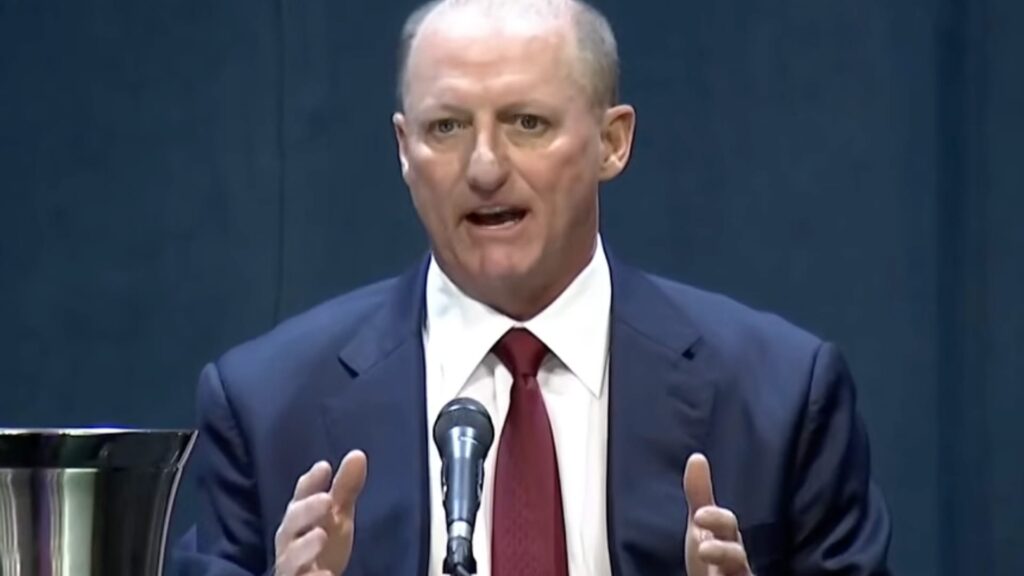
Table of Contents
A Strategic Pivot Under New Leadership
Berkshire Hathaway has officially entered a definitive agreement to acquire homebuilder Taylor Morrison Home in a transaction valued at approximately $6.8 billion. The deal, announced Sunday, represents a calculated gamble by the Omaha-based conglomerate on the resilience and eventual rebound of the U.S. residential construction sector following a period of stagnation driven by historic mortgage rate peaks.
Under the terms of the agreement, Berkshire will pay $72.50 per share in cash. This price reflects a 24% premium over Taylor Morrison’s closing price on May 29, valuing the enterprise at roughly $8.5 billion when accounting for outstanding debt. While the figure is substantial, it is a modest deployment of capital for a company currently sitting on a cash reserve approaching $400 billion.
The acquisition is particularly significant as it marks the first major strategic move under Greg Abel, who assumed the role of CEO at the start of 2026. For years, observers of Warren Buffett’s empire have questioned how Abel would handle the massive cash pile while navigating a high-interest-rate environment. By targeting a national homebuilder, Abel is signaling a shift toward aggressive vertical integration in the housing space.
Consolidating the Housing Ecosystem
This move isn’t an entry into the housing market so much as it is an expansion of an existing empire. Berkshire already maintains a dominant position in the sector through Clayton Homes, the largest manufacturer of prefabricated housing in the U.S., and the expansive Berkshire Hathaway HomeServices brokerage network. By adding Taylor Morrison—a specialist in site-built, high-end residential communities—Berkshire is effectively bridging the gap between affordable manufactured housing and luxury suburban development.
“Berkshire is acquiring a best-in-class national homebuilder, led by an exceptional team and backed by a trusted reputation for customer experience,” Greg Abel stated in the official announcement. He further noted that the long-term goal is to “unify our site-built homebuilding operations into a combined platform,” suggesting a desire for operational synergies that could lower land acquisition costs and streamline supply chain logistics.
Reading the Market Signal
The timing of the deal is a direct commentary on the current state of American real estate. For the past several years, a “lock-in effect” has plagued the market; homeowners with 3% mortgage rates from the pandemic era have been unwilling to sell, severely limiting existing inventory and pushing potential buyers toward new constructions.
By acquiring Taylor Morrison, Berkshire is betting that this inventory crunch will persist, making new builds the primary engine of the housing market for the foreseeable future. Bill Stone, CIO of Glenview Trust and a Berkshire shareholder, suggested to CNBC that the move is a clear indicator that the conglomerate believes the housing cycle is poised to turn, capitalizing on significant pent-up demand.
The Capital Allocation Strategy
This acquisition follows a pattern of sector-specific consolidation. Berkshire’s last major transaction occurred in October, when it spent $9.7 billion to purchase OxyChem, the chemical arm of Occidental Petroleum. Together, these moves suggest that Abel is prioritizing tangible, asset-heavy industries—energy and infrastructure—over the volatile high-growth tech stocks that defined much of the previous decade’s market euphoria.
The deal is expected to close in the second half of 2026, pending regulatory approval and the satisfaction of customary closing conditions. Until then, the market will be watching closely to see if this acquisition triggers a wave of consolidation among other mid-to-large cap homebuilders who may find themselves outmatched by Berkshire’s nearly bottomless balance sheet.


