AWS Deploys M3 Ultra Mac Studios with RAM Configurations You Can’t Buy
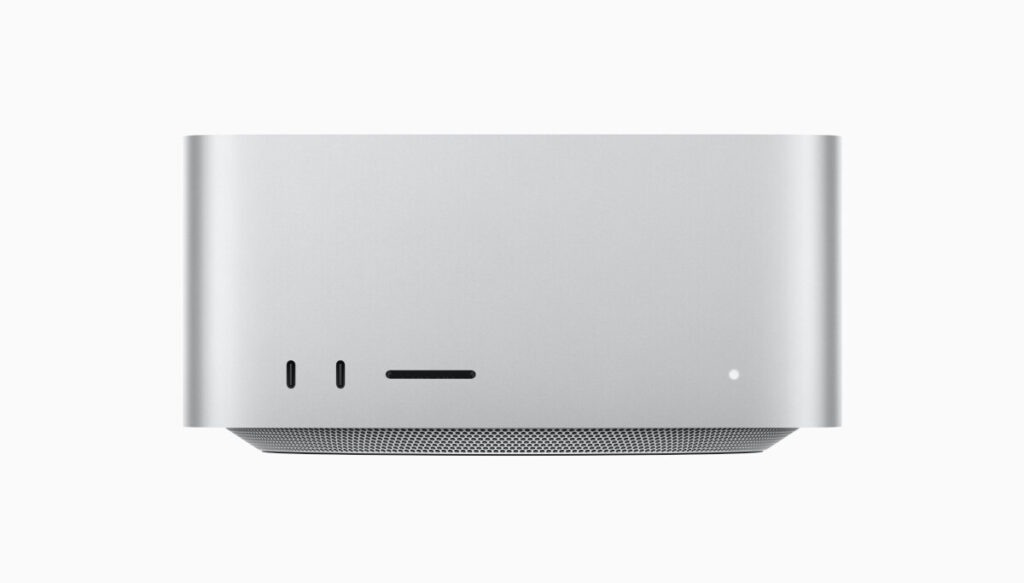
Table of Contents
Amazon beats the shortage to rack M3 Ultra silicon
While retail buyers are currently staring at ten-week shipping delays and depleted stock on Apple’s storefront, Amazon Web Services (AWS) has managed to secure a significant shipment of Mac Studio hardware. More interestingly, the cloud giant isn’t just deploying standard retail units; it is offering configurations that aren’t currently available for purchase by the general public.
AWS has begun rolling out cloud instances powered by the M3 Ultra SoC, Apple’s highest-tier silicon. While the official Apple Store lists the Mac Studio with a maximum of 96GB of unified memory, AWS is offering a version boasting 256GB. This massive jump in memory capacity is a clear nod to the growing demand for memory-intensive workloads, particularly for those developing AI-driven applications or handling massive datasets that would otherwise choke a standard workstation.
High-spec silicon in a cloud environment
The technical specifications of these racked Mac Studios are formidable. The instances feature a 28-core CPU, a 60-core GPU, and a 32-core Neural Engine. For developers, this represents a significant leap in compute power available via the cloud, especially for those targeting the Apple ecosystem.
However, the logistics of how these machines are delivered remain slightly opaque. As of this week, AWS has not yet fully updated its EC2 instance documentation to include specific pricing or detailed billing for the M3 instances. There is also a lingering question regarding the virtualization layer. Historically, AWS has leaned toward renting “bare metal” Mac instances rather than traditional macOS virtual machines (VMs).
This distinction is critical because Apple maintains a strict, often restrictive, licensing agreement regarding macOS virtualization. Apple generally permits the creation of macOS VMs only on Apple-branded hardware, and typically limits users to just two VMs per host. Furthermore, Apple limits the use of these VMs to specific categories: software development, testing, macOS Server usage, and non-commercial personal use.
Targeting the developer pipeline
AWS is positioning these M3 Ultra machines as the premier environment for building and testing apps across the entire Apple software stack. This includes not only iOS, iPadOS, and macOS, but also visionOS—the operating system powering the Vision Pro headset. Given the hardware requirements for compiling complex spatial computing apps, the 256GB memory ceiling becomes a practical necessity rather than a luxury.
The rollout, however, is currently limited in scope. These M3 Ultra instances are only available in two specific regions: US East and US West (Oregon). For developers based in Europe or Asia who require low-latency access to Apple silicon in the cloud, the options remain limited, leaving them to either deal with the lag of US-based servers or wait for the grueling retail lead times of the physical hardware.
The move highlights the widening gap between consumer availability and enterprise procurement. As AI enthusiasts and developers continue to snap up M3 Ultra stock to run local LLMs and advanced tooling, AWS’s ability to bypass the retail queue underscores the strategic importance of Apple silicon in the modern cloud infrastructure landscape.


