Australia Intensifies Crackdown on Syrian Returnees as More ISIL-Linked Nationals Face Charges
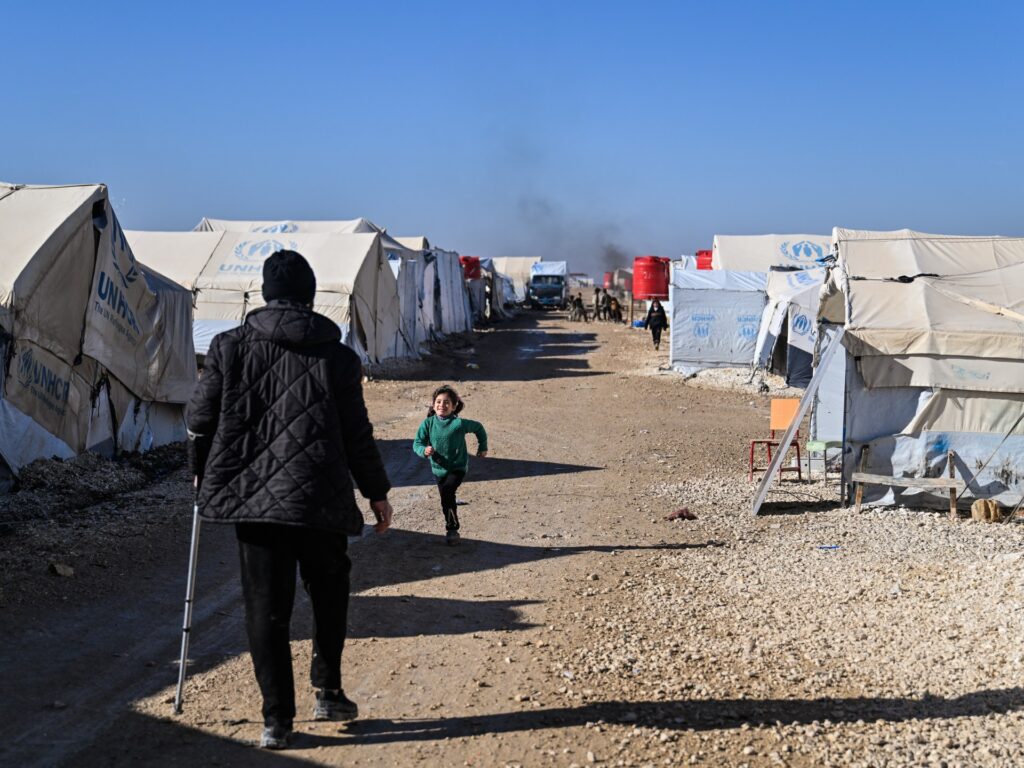
Table of Contents
Melbourne Court to Hear Terrorism Charges Following Syrian Repatriation
Australian authorities have moved to charge a 34-year-old woman with ties to the Islamic State (ISIL) following her return to Australia from Syria. The charges, announced by the Australian Federal Police (AFP), signal a tightening of legal scrutiny over nationals repatriated from the precarious network of detention camps in northeast Syria.
The woman, who arrived in Australia in September alongside another female companion, is scheduled to appear in a Melbourne court this Thursday. According to official statements, she faces two primary charges: membership in a terrorist organization and entering a declared conflict zone. Federal police Assistant Commissioner Hilda Sirec noted that both offences are severe, carrying potential prison sentences of up to 10 years.
The woman’s trajectory mirrors the complex displacement seen in the region over the last decade. Investigations indicate she traveled to Syria between 2013 and 2014, eventually falling into the custody of Kurdish forces in 2019. She was subsequently held at the al-Hol camp, a massive, improvised facility where thousands of families associated with ISIL were detained.
A Broader Wave of Legal Action
This specific case is not an isolated incident but part of a broader effort to process the latest wave of returnees. This month, several more women and children arrived in Australia after years of detention in the Roj camp. Unlike the more volatile al-Hol camp, Roj has served as a primary holding center for the families of ISIL fighters since 2019, often operating without a formal, standardized legal process.
The AFP has made it clear that the arrival of these citizens does not grant them immediate immunity. Assistant Commissioner Sirec emphasized that the lack of immediate charges upon landing does not suggest that investigations have concluded. “A period of time without charges being laid is not an indicator that investigations have ceased,” Sirec stated, suggesting that the intelligence-gathering phase for many returnees is still ongoing.
The severity of the charges varies across the latest group of arrivals. While some face charges related to the act of traveling to conflict zones, others are facing far more grave accusations. Three women among the recent returnees have been charged with crimes against humanity. Additionally, Kawsar Ahmad and Zeinab Ahmad—a mother and daughter who arrived earlier this month—have been charged with offences related to enslavement.
The Legal and Political Friction of Repatriation
Another individual, Janai Safar, has also been charged with joining ISIL and entering a declared conflict zone. These legal proceedings come at a time of significant political tension regarding the government’s role in repatriating its citizens. The scale of the ISIL “caliphate” at its peak in 2015 was immense, controlling territory across Syria and Iraq roughly the size of the United Kingdom, leaving a legacy of displaced persons and combatants that the international community is still struggling to resolve.
Prime Minister Anthony Albanese has maintained a hard line on the issue, distancing the government from the logistical facilitation of these returns. In a stark warning to those who joined the conflict, Albanese stated, “If you make your bed, you lie in it,” asserting that the government did not actively assist their return.
However, this stance has drawn criticism from human rights and advocacy groups. These organizations argue that Australia has a legal and moral obligation to uphold the right of return for its citizens. This is particularly urgent in the case of children born in the camps, who advocates insist should not be held criminally responsible for the actions or ideologies of their parents.
Authorities believe that the most recent group to arrive in Sydney and Melbourne likely represents the last remaining Australians held in the Roj camp, though the legal processing of these individuals is expected to continue for months or years as the AFP builds cases based on evidence recovered from the conflict zone.


