Asus Debuts Dawn 7 Pro Series in China, Betting on AMD’s New Ryzen AI Silicon
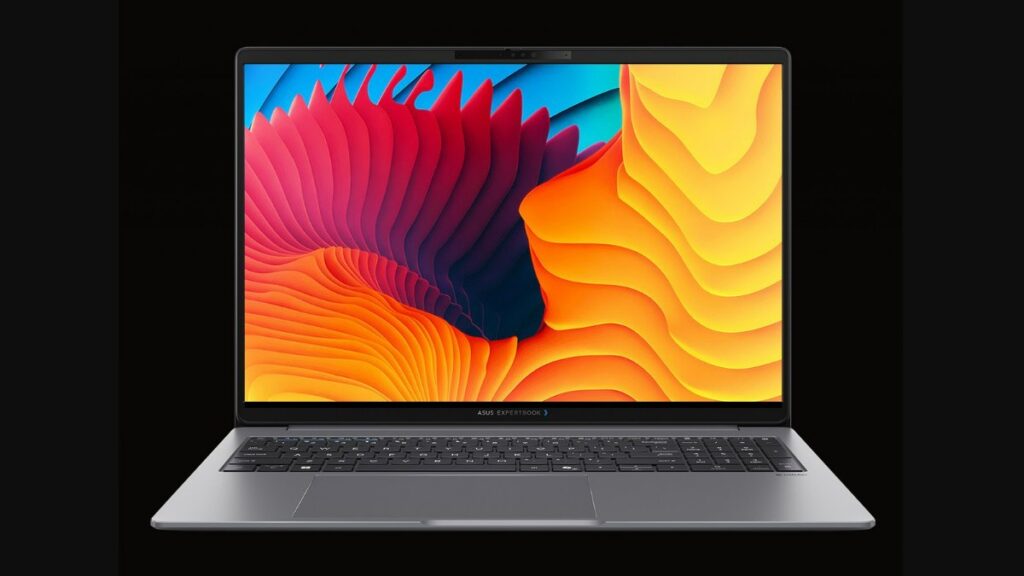
Table of Contents
A Strategic Pivot Toward On-Device AI
Asus has officially expanded its laptop portfolio in the Chinese market with the launch of the Dawn 7 Pro series. While the hardware specs point toward a high-performance productivity machine, the real story here is the integration of AMD’s latest 4nm silicon, specifically designed to handle the growing demand for local AI processing without relying entirely on the cloud.
The Dawn 7 Pro arrives in two distinct chassis sizes—14-inch and 16-inch—targeting a demographic that sits between the ultra-portable business traveler and the power user. By opting for AMD’s new Ryzen AI chips, Asus is positioning these machines to compete in a landscape where NPU (Neural Processing Unit) performance is becoming as critical as raw clock speed.
The Silicon Breakdown: Ryzen AI 7 vs AI 5
The series is anchored by the AMD Ryzen AI 7 445, a 4nm processor that leverages an advanced architecture to balance thermal efficiency with multi-threaded performance. This chip is paired with integrated Radeon 840M graphics, which, while not intended for AAA gaming at ultra settings, provides a significant boost for creative workflows and hardware-accelerated AI tasks.
For users with less demanding needs, Asus offers a configuration powered by the Ryzen AI 5 430. The choice of these specific APUs suggests that Asus is prioritizing a ‘performance-per-watt’ ratio that can sustain the 144Hz displays without triggering aggressive thermal throttling—a common pain point in the 14-inch laptop category.
Display and Chassis Logistics
Both the 14-inch and 16-inch variants steer away from the trend of variable refresh rates, instead opting for a consistent 144Hz IPS panel. With a peak brightness of 400 nits, these screens are tailored for indoor professional environments and bright offices, though they may struggle under direct sunlight compared to the higher-nit OLED panels found in the Zenbook line.
Powering the hardware is a 70Wh battery. Given the efficiency of the 4nm AMD process, this capacity should comfortably handle a full workday of mixed usage, though the 144Hz refresh rate will inevitably act as a significant drain if not managed via Windows 11’s power settings.
Pricing and Market Positioning
The pricing strategy reveals an interesting trend: the 16-inch models are actually more affordable at the entry level than their 14-inch counterparts, likely due to the larger chassis allowing for easier thermal management and cheaper component sourcing.
| Model | Processor | Memory/Storage | Price (CNY) |
|---|---|---|---|
| 14-inch | Ryzen AI 5 430 | 32GB / 1TB | 9,499 |
| 14-inch | Ryzen AI 7 445 | 32GB / 1TB | 9,999 |
| 16-inch | Ryzen AI 5 430 | 16GB / 1TB | 7,999 |
| 16-inch | Ryzen AI 7 445 | 16GB / 1TB | 8,499 |
Currently, the Dawn 7 Pro is available exclusively via JD.com in China. While there is no official word on a global release or a rebranding for Western markets (where it might fit into the Vivobook or Zenbook families), the hardware represents Asus’s clearest attempt yet to mainstream AMD’s AI-centric silicon.