Apple’s ‘Neo’ Strategy Could Be the Death Knell for Android Tablets
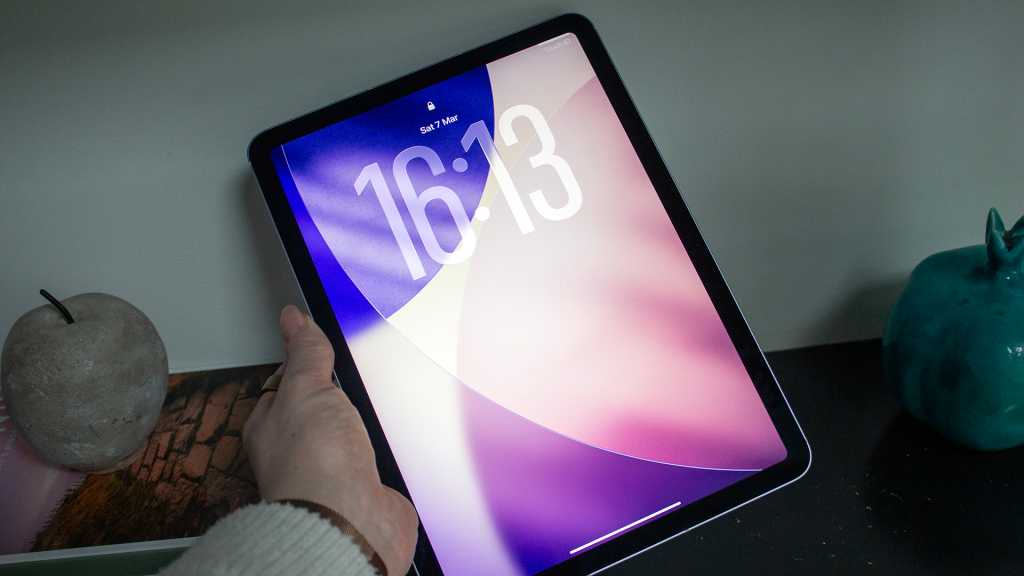
Table of Contents
The Persistent Struggle of the Android Tablet
Google is reportedly preparing to introduce a new badge within the Google Play Store specifically designed to highlight apps optimized for larger screens, including tablets and book-style foldables. On the surface, this is a pragmatic UX improvement. In reality, it is a confession of a decade-long failure.
The fact that Google is only now implementing a fundamental discovery mechanism for tablet-ready apps in 2026 is telling. Android tablets have existed since 2010, yet the ecosystem remains plagued by the “stretched phone app” phenomenon. For the end user, the experience is often inconsistent: one app provides a rich, multi-pane layout, while the next is simply a zoomed-in version of a mobile interface that wastes 60% of the available screen real estate.
This fragmented software experience is precisely why Apple continues to hold a stranglehold on the sector. According to early 2026 data from StatCounter, the iPad series maintains a dominant 51.5% market share. When you contrast this with Samsung’s second-place position at 25.8%, the gap isn’t just about brand loyalty—it’s about the fundamental utility of the software. While Apple isn’t perfect—the native iPad app for WhatsApp, for instance, arrived far later than users desired—the baseline for iPadOS is a cohesive experience that Android has failed to replicate across its diverse hardware partners.
The MacBook Neo Blueprint
The conversation around tablets is shifting because of what Apple is doing in the laptop space. Under the leadership of CEO John Ternus, Apple has pivoted toward accessibility with the MacBook Neo. By pricing a capable, aluminum-chassis machine at $600, Apple has directly attacked the low-end Windows laptop market—the territory previously dominated by plastic, underpowered machines sold in big-box retail stores.
The MacBook Neo isn’t just a cheaper laptop; it’s a strategic land grab. It proves that Apple is willing to sacrifice some margin to capture the student and entry-level demographic, leveraging its custom silicon to provide performance that budget Windows alternatives cannot match. This shift in philosophy from “luxury only” to “accessible performance” creates a dangerous precedent for the tablet market.
The Case for an iPad Neo
If Apple applies the Neo logic to the iPad, the Android tablet market may not survive the transition. An “iPad Neo”—a full-sized, brightly colored tablet priced in the $200 range—would effectively remove the last remaining advantage Android OEMs have: price.
Currently, budget Android tablets win on cost, but they lose on longevity and software quality. An entry-level iPad powered by a scaled-down version of Apple’s M-series or A-series chips would offer a level of performance and app stability that a $200 Android tablet simply cannot provide. When combined with a unified App Store that doesn’t require “badges” to tell you if an app works on a big screen, the value proposition becomes insurmountable.
Google and its partners have had sixteen years to build a compelling, consistent tablet ecosystem. Instead, they have relied on iterative half-steps. If Apple decides to move from the high end of the market into the budget sector, they won’t just be selling more hardware; they will be closing the door on the Android tablet’s viability as a serious productivity tool.


