Apple’s Iterative Gamble: The AirPods Max 2 and the Stagnation of Premium Audio
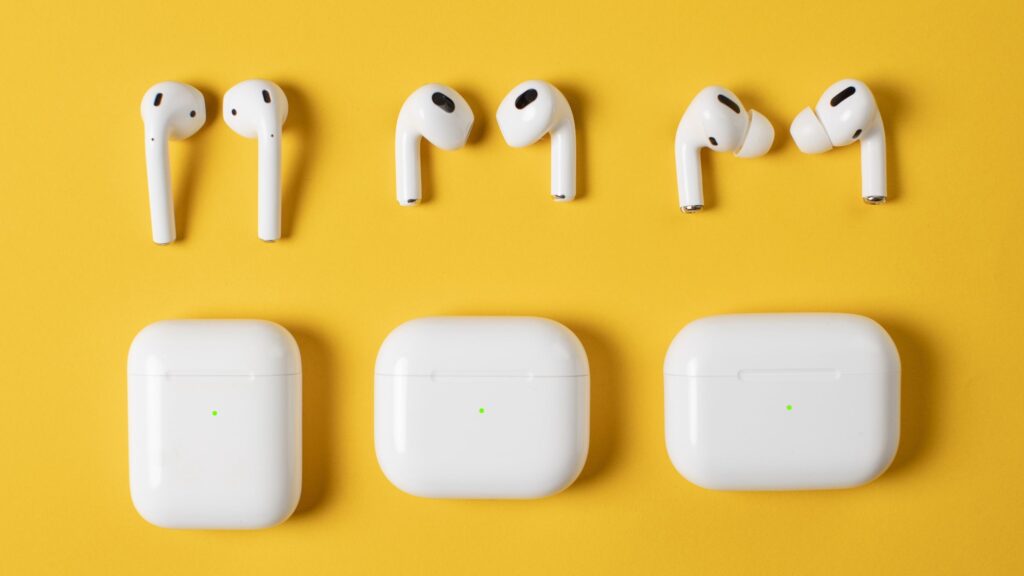
Table of Contents
The Familiarity Trap
Apple has a long-standing relationship with the ‘iterative update.’ From the iPhone to the Apple Watch, the company often prefers refining a winning formula over radical redesigns. However, the arrival of the AirPods Max 2 puts this philosophy to a critical test. At first glance, the new flagship over-ears are nearly indistinguishable from the original 2020 release, sparking a familiar debate among enthusiasts: is this a refined masterpiece or a missed opportunity?
The physical chassis remains a study in industrial minimalism—brushed aluminum and breathable knit mesh. For some users, the lack of a visual overhaul is disappointing, especially given the timeline since the first generation. But for Apple, the goal wasn’t aesthetic disruption; it was sonic optimization. When you actually put them on, the marginal gains in noise cancellation and transparency mode become evident. The integration with the broader ecosystem remains the primary selling point, offering a seamless handoff between an iPhone and a Mac that remains frustratingly difficult for competitors like Sony or Bose to replicate with the same fluidity.
The Divergence of the ‘Bud’ and the ‘Can
The AirPods Max 2 exists in a strange tension with the rest of Apple’s audio lineup. Since the 2016 launch of the original AirPods, the industry has seen a massive migration toward the ‘bud’—the compact, in-ear form factor that prioritizes convenience over everything else. Whether they are marketed as in-ear monitors (IEMs) for audiophiles or simple wireless earbuds for commuters, the appeal is the same: invisibility and stability.
Earbuds have effectively democratized high-quality audio, bringing features like Active Noise Cancellation (ANC) to a device that fits in a pocket. However, there is a physical ceiling to what a tiny driver can achieve. This is where the AirPods Max 2 justifies its existence. By utilizing larger drivers and a more substantial acoustic chamber, Apple is targeting the segment of the market that refuses to sacrifice soundstage for portability.
The Technical Trade-off
While the AirPods Max 2 delivers a rich, expansive sound, it highlights the growing gap between convenience and fidelity. Wired headphones still reign supreme for pure, lossless audio, but the industry has largely moved toward the wireless standard. Apple’s bet is that the average consumer will accept a slight dip in raw audio quality in exchange for the ‘magic’ of the H-series chips.
Market Positioning and the Value Proposition
Pricing the AirPods Max 2 in the premium bracket is a bold move in a market saturated with high-performance options. Sony’s WH-1000XM series frequently undercuts Apple on price while matching or exceeding them in ANC capabilities. Yet, Apple isn’t just selling a headphone; they are selling a piece of the ecosystem. The spatial audio integration, specifically when paired with Apple TV or Music, creates an immersive environment that is difficult to quantify on a spec sheet but easy to feel during a movie.
The real question is whether the minimal changes to the hardware are enough to trigger an upgrade cycle. For those still rocking the first-generation Max, the improvements in connectivity and subtle tuning may not be worth the investment. But for the user moving up from the standard AirPods Pro, the leap in sonic depth is profound.
Ultimately, the AirPods Max 2 reinforces Apple’s current trajectory: perfection of the existing form rather than the pursuit of the next big thing. It is a polished, high-performing piece of hardware that proves that sometimes, being ‘good enough’ is a viable business strategy when you own the ecosystem.