Apple’s iPhone 18 Strategy: A Bifurcated Launch and the Foldable Gamble
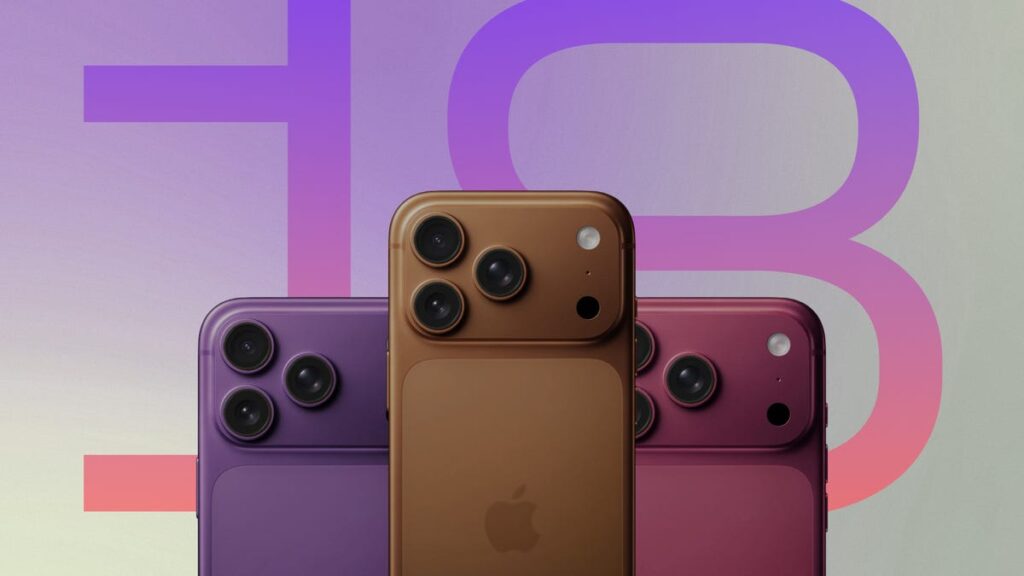
Table of Contents
A Departure from the September Tradition
For nearly two decades, Apple’s autumn hardware event has been the gravitational center of the consumer electronics calendar. However, internal shifts and supply chain pressures suggest that the iPhone 18 cycle will shatter this predictability. Reports indicate Apple is planning a bifurcated release strategy: launching the high-margin Pro and Pro Max models in September 2026, while pushing the standard iPhone 18, the budget-friendly 18e, and a second-generation ‘Air’ model into a separate spring 2027 window.
This staggered approach isn’t just a logistical quirk; it’s a strategic hedge. By decoupling the premium tier from the volume drivers, Apple can sustain market momentum throughout the fiscal year and mitigate the risks associated with a massive, single-window rollout—especially as the hardware complexity of the lineup reaches an all-time high.
The Foldable Variable: Enter the ‘iPhone Ultra’
The most disruptive element of the 2026 roadmap is the long-rumored entry into the foldable market. Widely referred to in leak circles as the iPhone Fold or iPhone Ultra, this device is expected to debut alongside the Pro series. While Samsung has dominated the foldable space for years, Apple’s entry is rumored to target the ultra-premium segment, with pricing likely starting north of $2,000.
The move is a necessity of market share. While Apple maintains a stranglehold on the U.S. market, global competition from Xiaomi and Samsung continues to squeeze their footprint. A foldable isn’t just a new product category for Tim Cook; it’s a defensive move to prevent high-spending power users from migrating to Android’s more flexible form factors.
Engineering the ‘Invisible’ Front
The visual identity of the iPhone is poised for its most significant shift since the notch disappeared in favor of the Dynamic Island. Evidence from Bloomberg’s Mark Gurman and reports from The Information point toward a transition to under-screen Face ID technology. If successful, this would allow Apple to shrink the Dynamic Island significantly, potentially moving toward a minimal pinhole cutout for the front-facing camera.
However, the transition may be incremental. Some industry insiders, including Ice Universe, suggest the Dynamic Island won’t vanish entirely but will instead be narrowed by approximately 35%. This indicates a hybrid approach where the proximity sensors remain visible while the biometric arrays are tucked beneath the OLED pixels—a compromise that balances aesthetic purity with the reliability of Face ID’s depth mapping.
Hardware Refinements and Supply Chain Friction
Beyond the form factor, the iPhone 18 Pro series is expected to push the boundaries of mobile photography with the introduction of a variable aperture camera. This would allow the sensor to physically adjust the amount of light entering the lens, providing a natural bokeh effect and better exposure control that software simulations cannot fully replicate.
Yet, these ambitions are colliding with a volatile component market. There are whispers of potential downgrades in memory modules for certain base models due to ongoing shortages in the semiconductor supply chain. Furthermore, Apple’s increasingly stringent brightness requirements for its next-gen OLED panels may lead to yield issues, potentially limiting initial stock of the most desirable configurations.
On the aesthetic front, the ‘Pro’ identity is shifting toward deeper, more organic tones. While the usual titanium finishes remain, leaks suggest a palette of burgundy, coffee brown, and deep purple. These aren’t just color swaps; sources indicate a move toward a more unified, transparent finish on the rear glass to create a seamless transition between the chassis and the display.


