Apple’s Foldable Strategy: Why the ‘iPhone Ultra’ May Be an iPad in Disguise
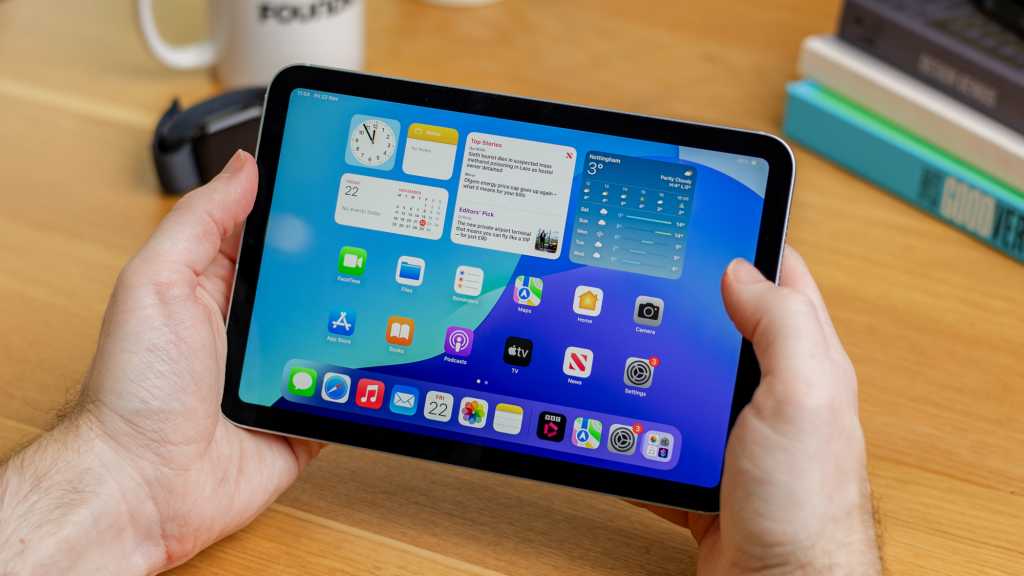
Table of Contents
A Departure from the Foldable Norm
For years, the foldable smartphone market has been defined by a specific philosophy: take a standard phone and make it expand. Samsung, Google, and Honor have largely adhered to this playbook, creating devices that feel like smartphones first and tablets second. However, emerging evidence regarding Apple’s first foray into the category—the rumored iPhone Ultra—suggests Cupertino is flipping that logic on its head.
Recent hands-on footage from YouTuber Unboxed Therapy, featuring a dummy unit of the device, highlights a chassis that feels fundamentally ‘off’ compared to current foldables. The unit possesses a stubby, passport-like footprint—shorter and wider than the slender profiles of the Pixel 9 Pro Fold or the Galaxy Z Fold 6. While some might view these proportions as an ergonomic misstep, they point toward a more calculated architectural choice.
The 4:3 Equation
The critical detail lies in the unfolded state. Based on the dummy unit’s dimensions, the iPhone Ultra appears to target a 4:3 aspect ratio, mirroring the gold standard of the iPad lineup. This isn’t a coincidence; it is a strategic alignment with Apple’s existing software ecosystem.
Most Android foldables struggle with the ‘square’ problem. While great for multitasking, the near-square inner screens often result in awkward letterboxing for video content and inconsistent scaling for third-party apps. By adopting the 4:3 ratio, Apple can leverage the massive library of tablet-optimized apps already designed for iPadOS. The iPhone Ultra wouldn’t just be a phone that unfolds; it would be the most portable implementation of the iPad experience to date, potentially cannibalizing some of the utility provided by the iPad mini.
Software as the Competitive Edge
The hardware battle in foldables is often won on hinge durability and crease visibility, but the real war is fought in the UI. Android’s flexibility is a double-edged sword; while Google has made strides in foldable optimization, the experience remains fragmented across different OEMs.
Apple, conversely, has spent a decade refining the tablet experience. If the iPhone Ultra effectively bridges the gap between iOS and iPadOS, users won’t just be getting a larger screen—they’ll be getting a cohesive productivity suite in their pocket. The ability to shift from a wide external screen to a fully optimized 4:3 workspace provides a level of continuity that Samsung has struggled to replicate, despite the hardware prowess of the Z Fold series.
The Market Reaction
Industry observers are already noting a ripple effect. Reports suggest Samsung may be exploring a ‘Wide’ variant for the Galaxy Z Fold 8, a move that looks less like an organic evolution and more like a preemptive strike against Apple’s predicted dimensions. However, altering a physical aspect ratio is the easy part; matching the deep integration of a tablet-first app ecosystem is where the challenge lies.
By prioritizing a tablet-like experience over a traditional phone-first design, Apple is betting that users are tired of ‘half-tablets.’ Instead of a device that is occasionally an iPad, the iPhone Ultra looks to be an iPad that happens to make calls. For the power user, this shift could transform the foldable from a luxury curiosity into a legitimate primary computing device.


