Apple’s Foldable Strategy: Why the ‘iPhone Ultra’ May Actually Be a Pocketable iPad
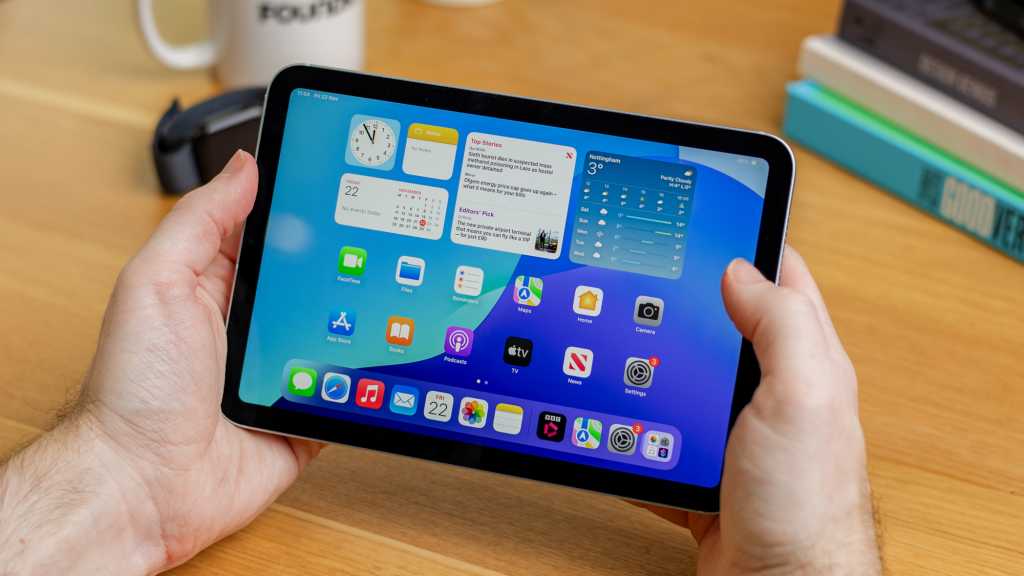
Table of Contents
A Departure from the Foldable Norm
For years, the foldable market has been defined by a specific trajectory: the ‘expanding smartphone.’ Companies like Samsung and Google have spent nearly a decade refining a device that functions primarily as a phone, which occasionally unfolds into a larger, albeit awkwardly proportioned, screen for productivity or media. However, emerging evidence regarding Apple’s first foray into the category—the rumored iPhone Ultra—suggests Cupertino is pursuing a fundamentally different philosophy.
The discourse shifted recently after YouTuber Lewis Hilsenteger of Unboxed Therapy showcased a dummy unit of the device. While these units are unofficial, they are typically derived from precise dimensions provided to accessory manufacturers and supply chain partners. The first thing that strikes users is the form factor: the iPhone Ultra is notably shorter and wider in its closed state than the slender profile of a Pixel Fold or a Galaxy Z Fold. It resembles a passport more than a traditional smartphone.
To the casual observer, this ‘stubby’ design might seem like a regression. In reality, it is the key to Apple’s likely endgame. By increasing the width of the external chassis, Apple is solving the most persistent complaint of the foldable era: the narrow, cramped cover screen that makes typing a chore.
The 4:3 Advantage
The real strategic shift happens when the device opens. Based on the dummy unit’s proportions, the iPhone Ultra appears to be targeting a 4:3 aspect ratio. This is a critical detail. While Android foldables often struggle with a ‘squarish’ screen that leaves massive black bars during video playback or forces apps into awkward stretches, Apple already owns the 4:3 ecosystem via the iPad.
By aligning the iPhone Ultra with the iPad’s dimensions, Apple isn’t just launching a new phone; they are effectively creating a pocketable iPad mini. This allows Apple to leverage a decade of software optimization. While Samsung and Google are still fighting with Android’s fragmented tablet UI, Apple can deploy a mature version of iPadOS—or a highly evolved hybrid of iOS—that is already optimized for this specific screen real estate.
This positioning transforms the device from a ‘phone that opens’ into a ‘tablet that makes calls.’ For power users, the implication is significant. Instead of using the inner screen for occasional multitasking, the 4:3 ratio encourages the unfolded state to be the default for work, browsing, and gaming, while the wider cover screen handles the quick-fire communication tasks.
The Competitive Response
The industry is already reacting to this shift. Reports indicate that Samsung is experimenting with a ‘Wide’ variant for the Galaxy Z Fold 8, a move that appears to be a preemptive strike against Apple’s projected dimensions. Samsung is attempting to solve the cover-screen ergonomics problem, but they face a hurdle Apple doesn’t: the lack of a unified, tablet-first app ecosystem.
Most Android apps are still scaled from phones upward, whereas the App Store contains a vast library of iPad-optimized software specifically designed for a 4:3 canvas. If the iPhone Ultra hits the market with full iPadOS functionality, it will offer a level of productivity that a mere ‘stretched phone’ cannot match.
Whether the iPhone Ultra will be a commercial success or a high-priced curiosity remains to be seen. But by ignoring the established foldable playbook and instead leaning into its existing tablet dominance, Apple is attempting to redefine what a foldable device is actually for.


