Apple’s Foldable Strategy: Why the ‘iPhone Ultra’ is Actually a Pocketable iPad
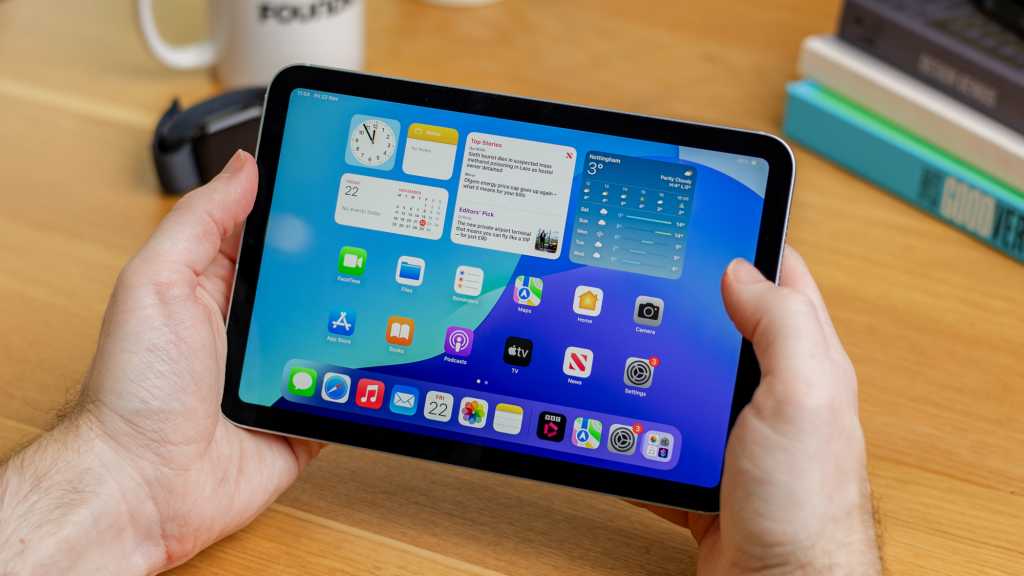
Table of Contents
The ‘Passport’ Form Factor
For years, the foldable market has been defined by a specific trajectory: the ‘phone that grows.’ Samsung, Google, and Honor have largely iterated on a formula where a standard smartphone chassis unfolds into a larger, albeit narrow, internal screen. However, emerging evidence suggests Apple is approaching the foldable category from the opposite direction. Recent hands-on demonstrations of an iPhone Ultra dummy unit, showcased by Lewis Hilsenteger of Unbox Therapy, reveal a device that defies the current industry ergonomic standard.
The dummy unit—which typically relies on dimensions provided to accessory manufacturers and assembly partners—suggests a device that is significantly shorter and wider than its competitors. This ‘stubby,’ passport-like shape in its closed state is jarring compared to the slender profile of a Pixel Fold or a Galaxy Z Fold. While critics might view this as a clumsy design choice, it points to a deliberate strategic pivot: Apple isn’t trying to make a foldable phone; it’s making a foldable tablet that happens to make calls.
The 4:3 Bet and Ecosystem Advantage
The logic behind the iPhone Ultra’s unusual dimensions becomes clear once the device is unfolded. Based on the leaked proportions, the internal display is expected to mirror the 4:3 aspect ratio synonymous with the iPad lineup. This is a critical distinction. Most Android foldables utilize a narrower aspect ratio that often results in awkward letterboxing for video content or stretched interfaces for productivity apps.
By aligning the iPhone Ultra with the iPad’s geometry, Apple can leverage its most significant competitive advantage: iPadOS. While Android has made strides in tablet optimization, the ecosystem of apps specifically tailored for a 4:3 tablet screen remains unparalleled. From professional creative suites to optimized gaming interfaces, Apple can port an entire library of high-fidelity tablet experiences into a device that fits in a pocket.
For the user, this transforms the device’s utility. Current foldables are often used as phones 90% of the time, with the inner screen reserved for sporadic multitasking or media consumption. The iPhone Ultra appears designed to split that usage more evenly. By creating a legitimate mini-tablet experience, Apple is targeting the ‘prosumer’ who finds the iPad mini too large for a pocket but finds current foldables too narrow for actual productivity.
Market Pressure and the Samsung Response
The industry is already reacting to this anticipated shift. Reports of a ‘Galaxy Z Fold 8 Wide’ suggest that Samsung is attempting to widen its internal display to better compete with the tablet-like experience Apple is engineering. However, a hardware change is only half the battle. Samsung’s challenge remains the software layer; without a dedicated, unified OS that bridges the gap between a phone and a tablet as seamlessly as iPadOS, the ‘Wide’ variant may feel like a compromise rather than a cohesive tool.
Technical Trade-offs
This design direction does come with inherent compromises. A wider external screen means the device will be more cumbersome in a pocket than a standard iPhone 15 or 16 Pro. Additionally, the 4:3 ratio, while superior for documents and browsing, still struggles with the 21:9 cinematic standards of modern video, meaning chunky borders will remain a permanent fixture of the foldable experience.
Ultimately, the iPhone Ultra represents Apple’s refusal to enter a category just for the sake of participation. By waiting and repositioning the device as a portable productivity hub rather than a novelty phone, Apple is betting that users value software cohesion and screen utility over a slim profile.